How a Drip Coffee Maker Works: Classic Filter Brewing Explained
If you’ve ever wondered why your drip coffee machine makes average coffee—or how it actually works—you’re not alone. Drip brewers are common in homes, offices, and dorms, but few users understand the details behind temperature, grind, water quality, and brew time that affect every cup. This guide breaks down everything you need to know about using a classic drip coffee machine the right way.
The key to good drip coffee? Use 7–9 grams of coffee per cup, filtered water (not chlorinated), a medium grind, and aim for an 85°C brew temperature. Most home drip machines operate at around 175 ml water per cup, with a standard brew ratio between 1:12 and 1:16.
What Is a Drip Coffee Maker?
A drip coffee maker is a classic electric filter brewer that drips hot water through ground coffee in a paper filter. First introduced by Philips in 1965, it became the dominant home brewing method for decades. These machines are valued for being simple, efficient, and reliable—perfect for daily use in most households, offices, and shared living spaces.
How to Use a Drip Coffee Machine
To get the best results from a standard drip coffee maker, follow these steps:
- Preheat the machine before brewing: Add half a pot of water, turn it on, and let it run to flush stale water and clean internal pipes.
- Insert a compatible paper filter into the basket. Avoid letting coffee grounds sit in the fold or seam between the filter and basket wall.
- Add 7–9 grams of freshly ground coffee per cup (standard drip uses medium grind, similar to table salt).
- Pour fresh, filtered water into the reservoir—about 175 ml per cup. Avoid tap water with chlorine; use filtered or purified water. Soft water (like most purified water) is better than hard water (e.g., mineral water), which can over-extract bitter acids like tannins.
- Turn on the machine and let it brew. The typical brew cycle runs around 5–8 minutes depending on the model and amount.
Coffee Grind, Temperature & Freshness Tips
Your drip coffee’s flavor depends on several key variables:
- Grind Size: Must match your brew method. Drip machines need a medium grind—finer than auto-drip but coarser than espresso. Think table salt.
- Brew Temperature: Ideal extraction happens at around 85°C (185°F). Most home drip machines reach approximately this range, though some may run hotter or cooler.
- Do Not Reheat: Brew only the amount you plan to drink immediately. Never reheat drip coffee—it degrades quickly and tastes burnt or flat.
Using the Coffee Filter Basket Properly
For best results:
- Place a paper filter in the basket, ensuring it sits flat without creasing into the sides.
- Add 8–10 grams of coffee per cup (depending on strength preference) into the filter—do not let grounds spill into the filter-basket gap.
- Lightly wet the grounds with hot water first (to bloom), then add the rest slowly, keeping the water level below the filter edge to avoid pushing coffee grounds into your cup.
Drip vs Other Brewing Methods
Drip coffee makers are often called “atmospheric” or “non-pressurized” brewers because they operate at roughly 1 atmosphere of pressure (the same as the open air). That sets them apart from other popular brewing methods:
- Espresso Machines: Use 5–19 bars of pressure (much higher than drip) and typically brew at 90–98°C. Espresso is thicker, more intense, and has a visible crema.
- Stovetop (Moka Pot) or Espresso: Also high-pressure, but not filtered like drip coffee.
Compared to these, drip coffee is lighter in body and has a cleaner, more transparent cup—though less intense.
Types of Drip Coffee Machines
Today’s market includes three main styles of drip-style brewers:
- Japanese (Siphon / Vacuum) Brewers: Often called “glass siphon” or “vacuum pots,” these resemble chemistry experiments. A lower chamber heats water to create steam pressure, pushing it into an upper globe where coffee brews. After cooling, brewed coffee is sucked back down. These require skill, often involve an alcohol burner, and suit coffee enthusiasts who enjoy the ritual. They work best with slightly coarser grinds and brighter, more acidic single-origin beans.
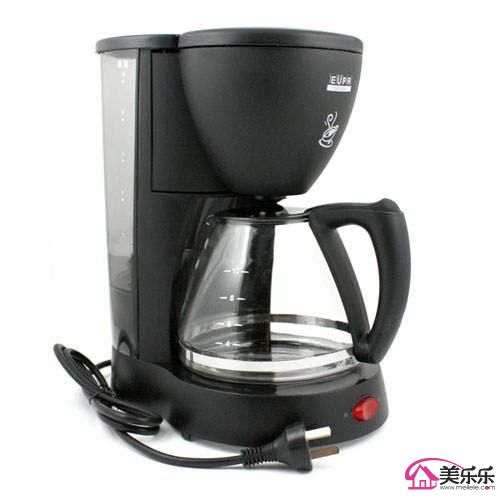
- American-Style (Standard Electric Drip): The most common home machines. They use a warming plate, a water reservoir, and a filter basket. These are typically set up for medium to dark roasts and medium-fine grinds. Beware: prolonged warming can make coffee taste sour.
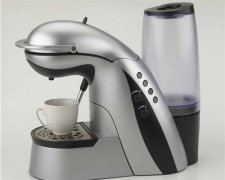
- Italian-Style (Steam-Driven with Milk Frothing): These machines use high-pressure steam to brew and often include a milk frother for making cappuccinos. They brew at optimal temperatures between 90–98°C and usually feature a cup warming tray—an often overlooked but important detail for serving quality. The steam function also allows for milk drinks.
Why Water Quality Matters
Water hardness affects coffee taste significantly:
- Hard Water: Contains high levels of minerals like calcium, magnesium, sodium, and manganese. These elements can over-extract bitter compounds such as tannic acid, worsening flavor. Mineral water is typically hard.
- Soft Water: Lower in mineral content. Most purified or filtered water is soft and better suited for coffee brewing. It helps extract sweeter, more balanced flavors without excess bitterness.
If using tap water, a charcoal or filtration system is recommended to remove chlorine and impurities.
Frequently Asked Questions
What is the ideal coffee-to-water ratio for drip coffee?
The recommended brew ratio for drip coffee is typically between 1:12 and 1:16. For example, FrontStreet Coffee suggests using 20g of coffee with 320ml of water (1:16) for a balanced, mild cup. Adjust based on taste preferences—lighter ratios (1:12) for stronger coffee, higher (1:16) for milder.
What grind size should I use for a drip coffee machine?
Use a medium grind size, similar to table salt. It should be finer than what you’d use for French press but coarser than espresso. This ensures proper extraction without over- or under-brewing.
Can I use tap water in my drip coffee maker?
It’s better to avoid tap water, especially if it contains chlorine, which can affect taste. Use filtered, purified, or soft water. If you must use tap water, install a filter with activated carbon to remove chlorine and impurities.
Why shouldn’t I reheat drip coffee?
Reheating coffee causes it to oxidize and become bitter or flat. For the best flavor, brew only the amount you plan to drink right away and avoid using the warming plate for extended periods.
What’s the difference between a drip coffee maker and an espresso machine?
Drip coffee makers operate at around 1 atmosphere of pressure and typically brew at 85°C, resulting in a lighter, cleaner cup. Espresso machines use 5–19 bars of pressure and brew at 90–98°C, producing a concentrated, creamy shot with crema.
What types of drip coffee machines are available?
Main types include Japanese siphon/vacuum brewers (high-effort, ritualistic), American-style electric drip machines (most common for home use), and Italian-style machines with steam and milk frothing (for making espresso-based drinks like cappuccinos).
Recommended FrontStreet Beans for Drip Coffee
For drip brewing, FrontStreet Coffee recommends the Strawberry Candy Espresso for its bright strawberry and candy-like sweetness, the Brazil Queen Manor with its creamy peanut and sugarcane notes, and the Strawberry Candy Espresso for balanced fruitiness. All work well with medium grind and standard drip ratios. Freshly roasted within 5 days · Orders placed before 17:00 ship the same day · Next-day delivery across most of Guangdong Province.
FrontStreet Coffee is a long-established specialty coffee roaster in Guangzhou China, selling freshly roasted beans from its own farm in Yunnan as well as dozens of carefully selected single-origin beans from around the world for both pour-over and espresso. The products deliver consistently excellent quality and great value, with shipping within 24 hours. Guangzhou's FrontStreet Coffee shop is recommended by many coffee lovers, and the beans are now available online at the Tmall 。
Important Notice :
前街咖啡 FrontStreet Coffee has moved to new addredd:
FrontStreet Coffee Address: 315,Donghua East Road,GuangZhou
Tel:020 38364473