How to Make Pour-Over Coffee Without a Machine
If you’ve ever felt like your coffee machine takes more effort than it’s worth—or you just want a slower, more mindful morning ritual—making pour-over coffee by hand might be your answer. It strips brewing down to its essentials: hot water, fresh grounds, a filter, and technique. No buttons. No presets. Just you and the process.
To make a classic pour-over, you only need five core items: a gooseneck kettle, a V60 dripper (or similar), paper filters, freshly ground coffee, and hot water between 90–95°C. The entire process takes under five minutes once you’re set up.
Why People Love Hand-Poured Coffee
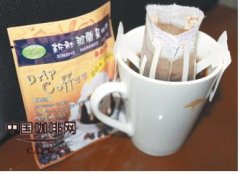
Pour-over coffee is often called ‘lazy coffee’ in China—but those who make it know better. Each drop filtered through paper reveals subtle flavour shifts over time, turning brewing into something meditative. It’s less about speed, more about control, texture, and the satisfaction of crafting something delicate by hand. That slow precision is what sets it apart.
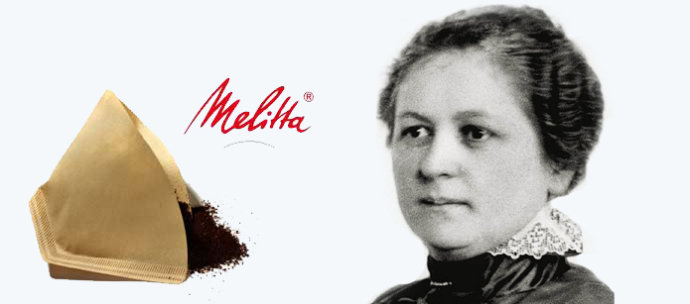
The technique dates back to Germany in the early 1900s, when Melitta Bentz experimented with her son’s blotting paper and a regular kitchen pot. Her idea was simple but revolutionary: filtering coffee through paper removed bitter sediments and produced a cleaner cup. She later founded a company to sell her invention, though pour-over didn’t catch on widely in the West until much later.
The method truly gained global acclaim thanks to Japan. Starting in the 1950s, Japanese coffee enthusiasts refined pour-over into an art form, developing specialized drippers (like the iconic Kalita Wave and Hario V60), perfecting water pouring techniques, and establishing a whole cultural approach to slow-drip brewing. Today, Japan remains synonymous with precision pour-over methods.
The Tools You Actually Need
Making pour-over coffee doesn’t require a fancy setup. Here’s the minimal, functional kit:
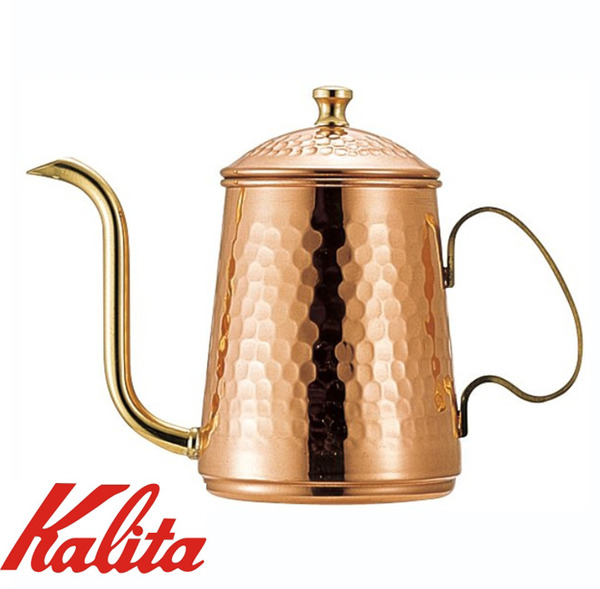
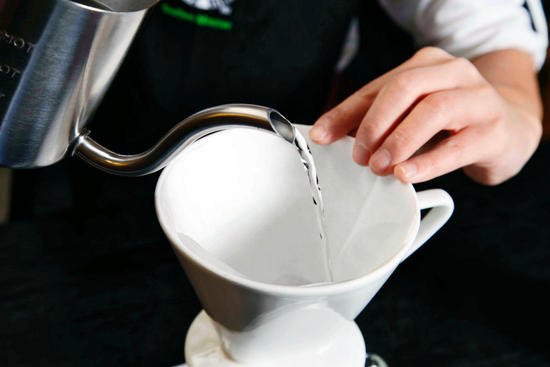
- Gooseneck kettle: Essential for controlling water flow. Trusted brands include HARIO, KALITA, and TIAMO. Price ranges vary.
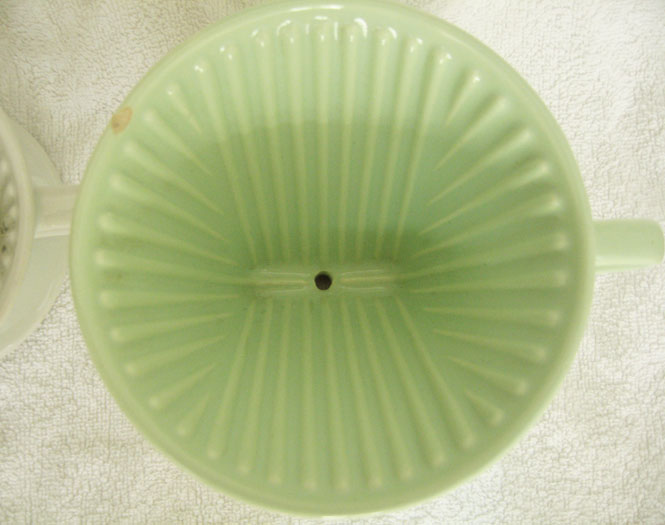
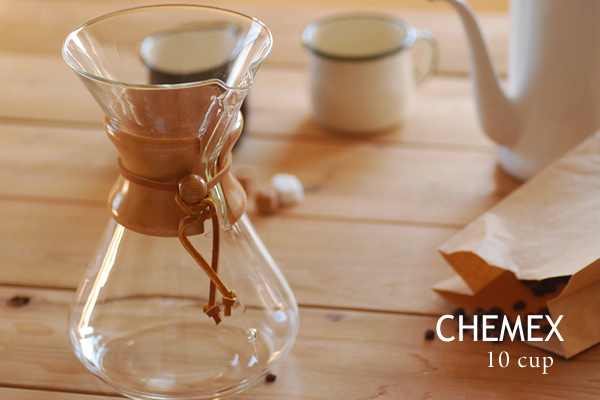
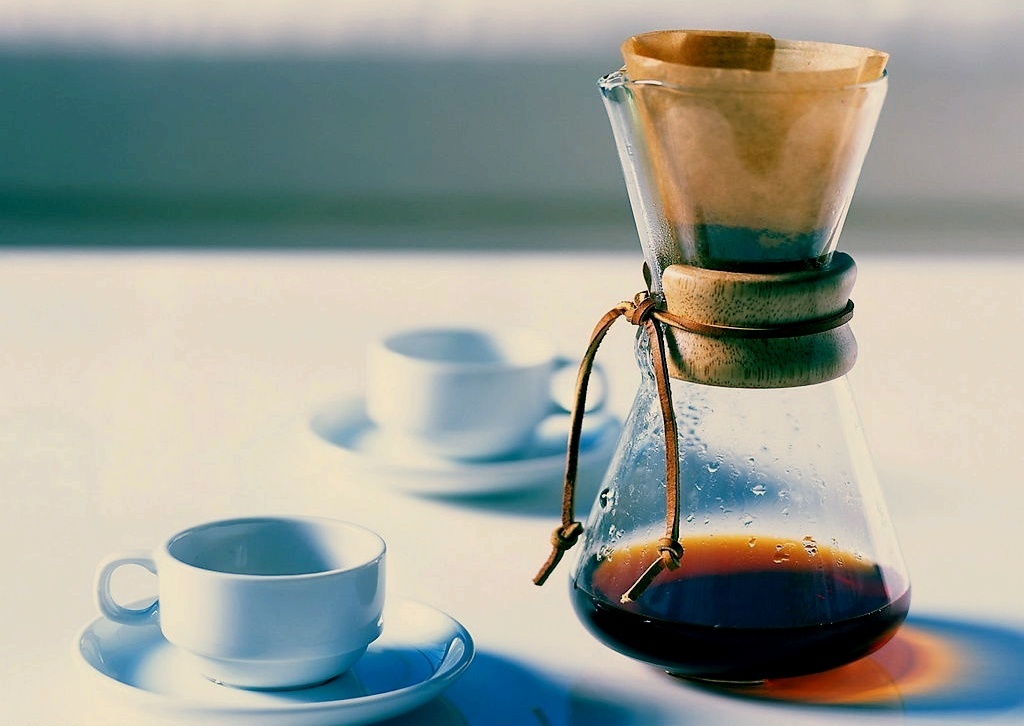
- Dripper: Most people start with the HARIO V60 (a cone-shaped dripper with spiral ridges for better air release and even extraction). Alternatives include the Kalita Wave (flat-bottomed), melitta-style single-hole drippers, or even a Chemex-style batch brewer. Early versions included Melitta’s original single-hole design.
- Filter paper: Removes coffee oils and fine particles for a cleaner, brighter cup. Comes in bleached or unbleached versions. Most dripper brands sell matching filters. For a zero-waste option, try a fabric filter (like a cloth sock).
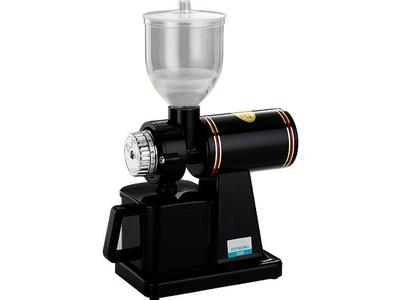
- Grinder: Freshly ground coffee is non-negotiable. A burr grinder—manual or electric—makes a dramatic difference over pre-ground. Consistent grind size affects extraction quality directly.
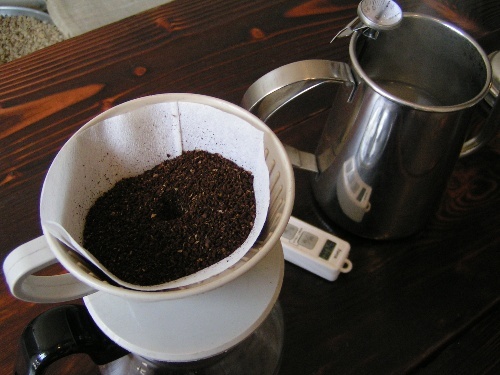
- Scale, thermometer, and timer: Use a scale for precise coffee-to-water ratios (usually 1:15 to 1:17), a thermometer to hit ideal water temps (90–95°C), and a timer to track bloom and pours.
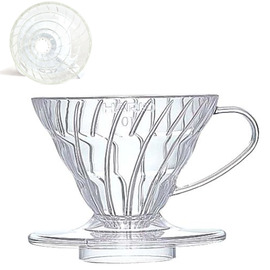
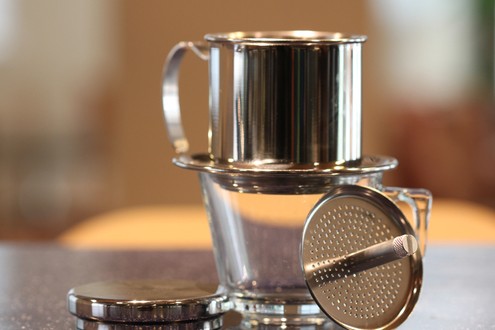
Optional upgrades include a metal filter (which lets more oils and fines through for a richer cup) or a Siphon or AeroPress if you want to experiment—but for true pour-over, the V60 or Kalita Wave with paper is the gold standard.
Step-by-Step: How to Brew Pour-Over Coffee
Here’s how to make a standard 300ml cup using around 20g of coffee. Ratios and timings matter.
1. Prep Your Filter & Equipment
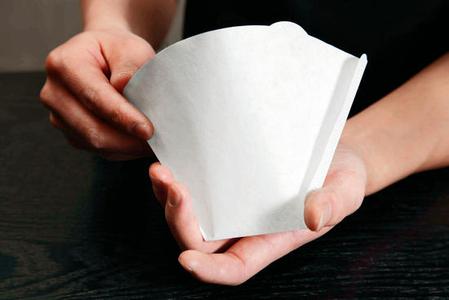
Fold your paper filter to fit your dripper. Place it in the dripper, then set the dripper on your cup or server. Rinse the filter thoroughly with hot water—this removes paper taste and preheats your equipment. Discard that rinse water before brewing.
2. Grind Your Coffee
Use a burr grinder to grind 20g of coffee to a medium-fine consistency—similar to table salt. The finer the grind, the slower the extraction (and more body), but too fine risks over-extraction or clogging. For V60, medium-fine is standard.
3. Bloom the Coffee
Add your ground coffee to the filter. Start your timer, then slowly pour about twice the weight of the coffee in hot water (roughly 40–50g) to saturate all the grounds. Let it bloom for 20–25 seconds. This releases CO₂ and creates an even extraction bed. Bubbles should form; if not, your coffee may be stale or poorly ground.
4. First Pour (60% of Water)
After the bloom, begin pouring in a steady circular motion, starting from the center and spiraling outward, keeping the water level about 1cm from the edge of the coffee bed. Keep the water height around 3–4cm above the grounds. Pour roughly 60% of your total water (around 180g) in this first phase. Target total brew weight: ~300g water for 20g coffee (1:15 ratio).
5. Second Pour (30% of Water)
Once the water from the first pour drains (about 30–45 seconds in), pour again using the same spiral method. Add about 30% of your total water (roughly 90g). Maintain even coverage and avoid hitting the filter sides directly.
6. Third Pour (10% of Water)
When the water level drops again, add the final 10% (around 30g). Total brew time should land between 2:30–3:30 minutes. Aim to finish pouring before 2:30 if possible, then let all the water drain through. Remove the dripper immediately once dripping stops—even if a few drops remain.
7. Serve & Enjoy
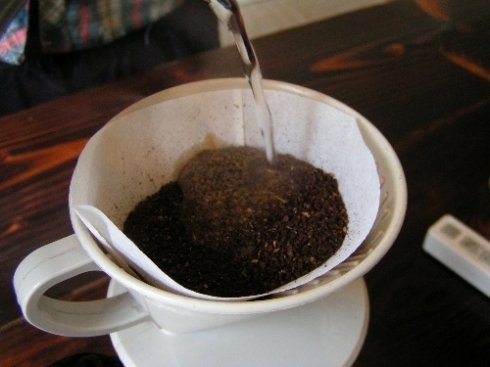
Your coffee is now ready. Taste it black first to appreciate its nuances. Adjust grind size or pour technique next time based on whether it was too sharp, weak, or bitter.
What About Alternative Filters?
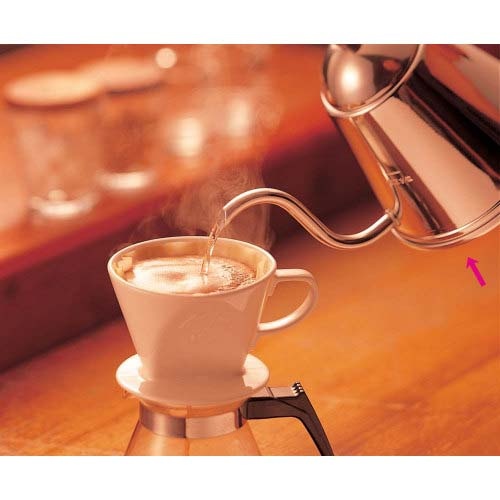
Besides paper, some brewers prefer metal filters, which allow more coffee oils and fine particles to pass through, resulting in a fuller-bodied, richer cup. However, they also let through more sediment and require regular cleaning. Cloth filters offer a sustainable middle ground with a clean yet textured cup. Paper filters, meanwhile, highlight clarity and acidity, and are easier to dispose of.
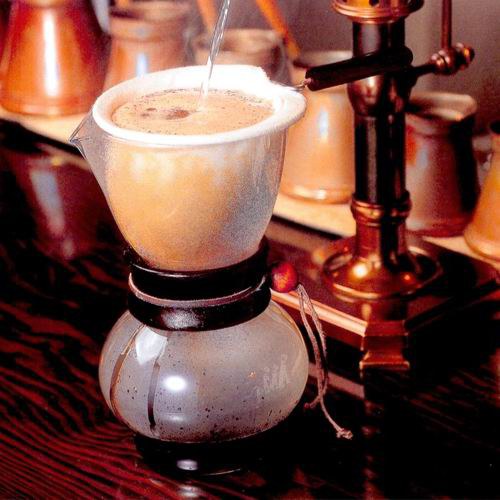
Other brewing devices like the Americano Dripper (a 1941 American-designed integrated dripper with an air vent) offer unique advantages, such as cleaner extraction and better temperature stability. Some users report that coffee brewed in these retains heat well and can even be reheated without major flavor loss.

Frequently Asked Questions
What’s the best water temperature for pour-over coffee?
Ideal brewing temperature is between 90–95°C (194–203°F). Too hot and you risk over-extracting bitter compounds; too cool and you’ll under-extract, leading to a flat, sour cup. Use a thermometer or a kettle with a built-in temperature gauge.
How much coffee and water should I use?
A standard brew uses 20g of coffee and 300g of water, for a 1:15 brew ratio. You can adjust slightly (1:14–1:17) depending on taste preference, but keeping the ratio consistent helps replicate results.
What grind size is best for V60 pour-over?
Use a medium-fine grind, similar to table salt. For V60, this allows for an optimal extraction time of around 2:30–3:30 minutes. Too coarse and the water runs through too fast (weak coffee); too fine and it clogs (bitter, over-extracted).
Do I really need a gooseneck kettle?
Yes. The narrow spout gives you precise control over water flow and direction, which is crucial for even saturation during the bloom and subsequent pours. Regular kettles make consistency much harder.
Can I use any coffee beans for pour-over?
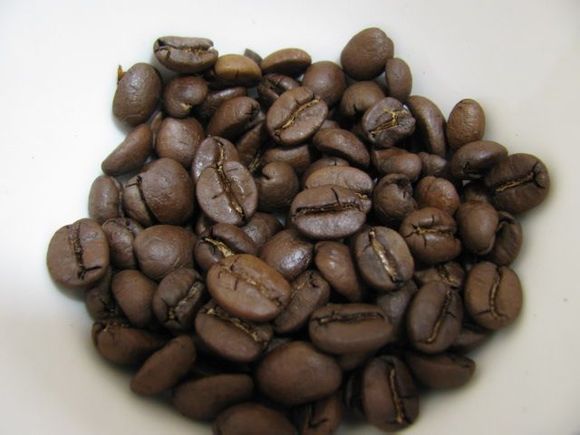
For the best results, use freshly roasted specialty-grade Arabica beans. Light to medium roasts tend to highlight the method’s clarity, but medium-dark roasts can work too—just adjust grind and pour timing. Avoid stale or pre-ground coffee.
Recommended FrontStreet Beans for Pour-Over
For pour-over, FrontStreet Coffee recommends its Brazil Yirgacheffe region-sourced Typica (Yirgacheffe), known for bright citrus, floral tones, and clean sweetness; the Colombia Sidra from Huila, featuring tropical fruit, honey, and juicy body; and the Ethiopia Gedeb Gesha, offering jasmine, bergamot, and lime zest. All three showcase the clarity, balance, and nuance that pour-over brewing highlights best. Freshly roasted within 5 days · Orders placed before 17:00 ship the same day · Next-day delivery across most of Guangdong Province.
FrontStreet Coffee is a long-established specialty coffee roaster in Guangzhou China, selling freshly roasted beans from its own farm in Yunnan as well as dozens of carefully selected single-origin beans from around the world for both pour-over and espresso. The products deliver consistently excellent quality and great value, with shipping within 24 hours. Guangzhou's FrontStreet Coffee shop is recommended by many coffee lovers, and the beans are now available online at the Tmall 。
Important Notice :
前街咖啡 FrontStreet Coffee has moved to new addredd:
FrontStreet Coffee Address: 315,Donghua East Road,GuangZhou
Tel:020 38364473