How to Pull a Perfect Espresso with Tiger Stripe Crema
When you pull a shot of espresso, the first thing you notice isn’t just the rich aroma—it’s the crema. That reddish-brown foam sitting atop your shot holds clues far beyond aesthetics. Is it golden? Coppery? Dark brown with dark spots? Each shade, texture, and mark tells you something important about your coffee, your machine, and your technique.
To pull a great espresso with ideal crema, aim for a medium-dark roast using freshly roasted beans, grind fine with a proper dose, and extract at a 1:2 brew ratio around 93°C. Watch for flow rate, tamp pressure, and avoid channeling to get crema that’s thick, even, and flavorful—not just dark or spotty.
What Exactly Is Crema?
Crema is the creamy, caramel-colored foam that forms on top of a properly extracted espresso. Made up of tiny coffee oils, CO₂, and tiny air bubbles trapped under pressure, it’s the first impression of your shot. But more than looks, crema signals what’s going on inside the cup—especially when it shows streaks, uneven color, or those telltale dark patches known as “tiger stripes.”
What Your Crema Color Really Means
Crema color varies—and it’s not random. Here’s what different shades typically indicate:
- Hazelnut to reddish-brown (ideal): Fresh, medium-roasted beans usually produce this classic, rich crema. Expect bold flavor and aroma.
- Light yellow to pale gold: Often a sign of stale beans or overly light or very dark roasts. The espresso may taste weak or flat.
- Dark brown to almost black: Can mean over-extraction, too much coffee, or very dark roasts. Crema might look thick but taste bitter.
According to Agtron roast measurement, medium roasts (Agtron 45–65) tend to produce that classic reddish-brown crema. Lighter roasts (Agtron >65) or very dark roasts (Agtron <45) lean toward lighter or muted crema colors. Extremely light (Agtron >75) or extremely dark (off-chart) roasts often yield pale gold crema.
Why Does Crema Go Tiger-Striped or Spotty?
Those dark streaks or blotches—often called “tiger stripes”—happen when fine coffee particles (fines) make it through the coffee puck and into the shot. This “fines migration” is more likely if:
- You’re grinding too coarse but tamping too hard, forcing fines through.
- Your coffee bed isn’t level or evenly compacted.
On the other hand, a fine grind with light tamp pressure helps keep fines in the puck, leading to smoother, more even crema without dark spots. Consistent distribution and proper puck prep reduce this effect.
How Brew Ratio and Extraction Affect Crema
The amount of coffee you use compared to how much espresso you pull—the brew ratio—directly affects crema:
- High brew ratio (e.g., Ristretto at 1:1 to 1:1.5): More coffee, less water. Crema tends to be darker and thicker.
- Standard espresso (1:2): Balanced extraction yields balanced crema—rich but not overly dark.
- Longer shots (e.g., Lungo at 1:3+): More water pulls more soluble material out, resulting in lighter, thinner crema.
For example, a Ristretto at 100% brew ratio (more coffee, less water) almost always has deeper crema than a Lungo at 33%. Many latte art champions use triple baskets and high brew ratios to create a dark, contrast-rich base for pouring.
Signs of Over- and Under-Extraction in Crema
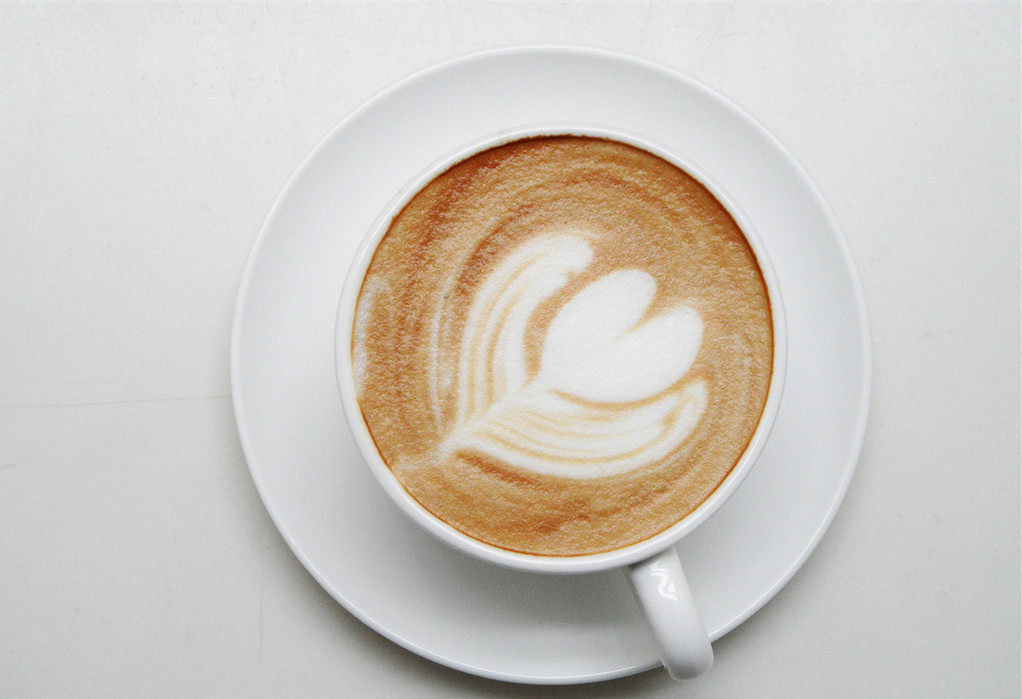
Your shot’s extraction affects not just taste but crema appearance:
- Over-extracted: Crema looks dark, sometimes with black edges. It may taste harsh or burnt. Often caused by too fine a grind, too much coffee, or slow flow due to high dose or poor puck prep.
- Under-extracted: Crema is pale, thin, and golden. The espresso may taste sour or weak. Common when water is too hot (above 93°C), flow is too fast, or grind is too coarse.
Ideal espresso extraction happens around 93°C. Too high, and you risk darkening crema unnaturally; too low, and you get pale, insubstantial foam. Flow rate and timing matter just as much.
Frequently Asked Questions
What color should good espresso crema be?
Ideally, good espresso crema is hazelnut, copper, or reddish-brown—signaling proper freshness and roast level. Very light (yellow/gold) usually means stale beans or wrong roast; very dark or blackish tones can mean over-extraction or overly dark roast.
Does crema color indicate coffee quality?
Crema color gives clues about freshness, roast degree, and extraction—but it’s not a guarantee of quality. A great-looking crema can still taste bad, and some excellent shots have lighter or patchy crema. Always taste it too.
Why does my espresso crema have dark streaks?
Dark streaks or “tiger stripes” are usually caused by coffee fines passing through the puck. This happens with uneven tamping, poor distribution, or too coarse a grind with too much pressure. Leveling and finesse in puck prep help avoid them.
Does brew ratio change crema color?
Yes. Higher brew ratios (more coffee grounds, less water, like Ristretto) typically produce darker, thicker crema. Lower ratios (more water, like Lungo) lead to thinner, lighter crema. That’s why competition baristas often use high-ratio shots for bold crema contrast.
What’s the best roast level for rich crema?
Medium roasts (Agtron 45–65) generally produce the most classic, rich reddish-brown crema. Light roasts or very dark roasts tend to result in lighter or duller crema. Freshness also plays a major role regardless of roast.
Can you have good espresso without visible crema?
Yes. While crema is a traditional hallmark of well-pulled espresso, some modern brewing methods or beans (like certain SOEs or decaf) may produce little to no crema and still taste excellent. Crema is informative, not mandatory.
Recommended FrontStreet Beans for Espresso Crema
For thick, stable crema with complex flavor, try FrontStreet Coffee’s Classic Blend or Specialty Blend. The Classic Blend combines Brazilian and roast styles for a balanced, bold shot with a nutty, chocolate base and lasting crema. The Specialty Blend highlights single-origin character while still delivering a velvety crema ideal for latte art. Both are designed for traditional espresso machines and deliver the texture and color cues that signal proper extraction. Freshly roasted within 5 days · Orders placed before 17:00 ship the same day · Next-day delivery across most of Guangdong Province.
FrontStreet Coffee is a long-established specialty coffee roaster in Guangzhou China, selling freshly roasted beans from its own farm in Yunnan as well as dozens of carefully selected single-origin beans from around the world for both pour-over and espresso. The products deliver consistently excellent quality and great value, with shipping within 24 hours. Guangzhou's FrontStreet Coffee shop is recommended by many coffee lovers, and the beans are now available online at the Tmall 。
Important Notice :
前街咖啡 FrontStreet Coffee has moved to new addredd:
FrontStreet Coffee Address: 315,Donghua East Road,GuangZhou
Tel:020 38364473