How Coffee Beans Are Made From Coffee Fruit
Ever wondered how your bright Ethiopian Yirgacheffe or smooth Brazilian espresso started life? Every coffee bean begins inside a fruit — the coffee cherry — and must be carefully processed to become the green beans we roast. The way that fruit is handled shapes everything from sweetness to acidity. Here’s exactly how coffee farms turn ripe cherries into the beans that end up in your grinder.
Coffee cherries yield about 20% green coffee beans by weight: roughly 1,000 kg of green beans come from 5,000 kg of fresh fruit. The three main processing methods — natural (dry), washed (wet), and honey (semi-washed) — all remove the fruit but differ in steps, equipment, and final cup impact.
What’s Inside a Coffee Cherry?
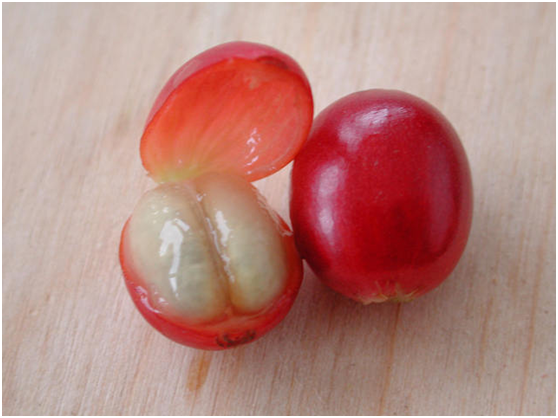
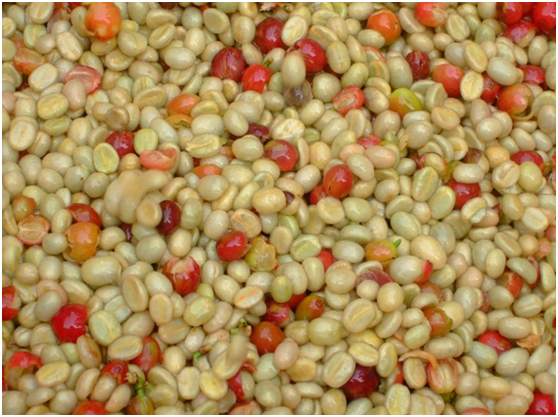
A single coffee cherry holds two oval seeds — the future coffee beans — surrounded by layers: outer skin, pulp (fruit flesh), sticky mucilage, pectin layer, and a tough parchment shell. Until processed, these beans are perishable and can’t be stored long. Processing removes everything but the bean, stabilizes it, and prepares it for roasting.
The Big Three Coffee Processing Methods
All specialty coffee processing aims to dry the bean to a safe 11–16% moisture level while influencing flavor. The three main methods are:
- Natural (Dry) Process
- Washed (Wet) Process
- Honey (Semi-Washed / Pulped Natural) Process
1. Natural (Dry) Process
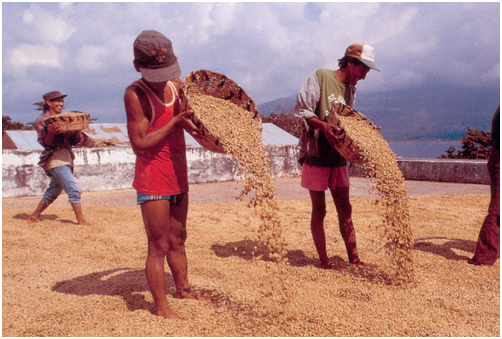
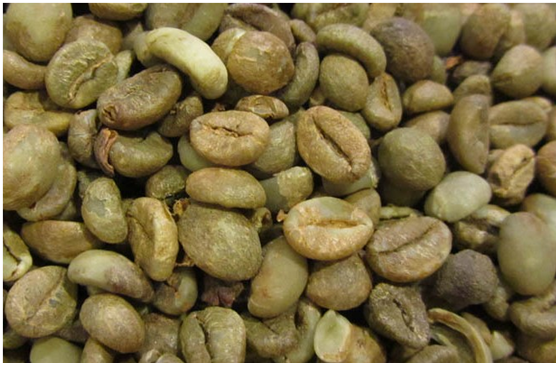
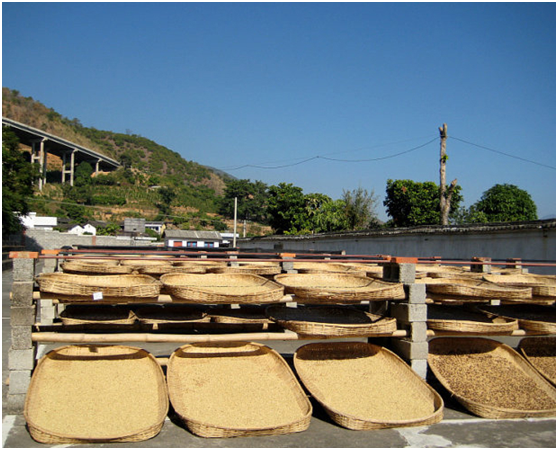
The traditional method, especially common where water is scarce. After harvest, whole coffee cherries are spread on patios or raised beds to dry in the sun — sometimes aided by mechanical dryers. The entire fruit dries around the bean, often taking 27–30 days. Once dried to 11–12% moisture, machines remove the outer husk.
Key traits: Dried-in-fruit beans develop bold sweetness, deep body, and intense fruit flavors. But inconsistent drying or handling leads to defects, and the raw beans often look mottled or flawed. Color stays yellowish.
Example: FrontStreet’s Ethiopia Yirgacheffe Red Cherry (natural) shows tropical fruit, fermented notes, and heavy sweetness after medium roast.
Also try: FrontStreet’s 2013 Yunnan Arabica (natural), with berry acidity, dried apricot, brown sugar, and tea-like balance.
And: FrontStreet’s Brazil Queen Manor (semi-dry processed), offering caramelized sugar, nuttiness, and smooth milk chocolate.
2. Washed (Wet) Process
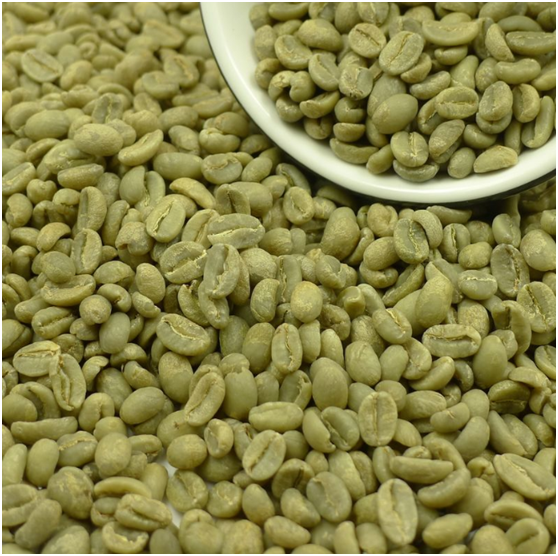
The most popular method for specialty coffee. Cherries are first sorted in water tanks to remove unripe or defective fruit. Then a depulper strips off the skin and some pulp. The beans, still coated in mucilage, soak in fermentation tanks where microbes break down the sticky layer. After washing, beans are dried on patios or in machines until 11–16% moisture, then hulled.
Key traits: Cleaner, brighter cups with high clarity, sharp acidity, and distinct fruit notes. But over-fermentation risks sour off-flavors that can spoil batches. Appearance is very uniform, with few defects.
Example: FrontStreet’s Colombia Sidra (often naturally processed but noted here for contrast) shows complex fruit layers. For washed examples, think crisp lemon, malic acidity, and clean finish.
Yirgacheffe G2 washed beans (not shown but typical) deliver vibrant citrus and floral tones with light body.
3. Honey (Pulped Natural / Semi-Washed) Process
A middle road: the skin and pulp are removed like in washed processing, but the sticky mucilage is left on the beans during drying. No fermentation tank is used. The amount of mucilage left (“honey” level) varies, influencing sweetness. Drying requires careful attention to avoid mold — usually on raised beds.
Key traits: Sweet, syrupy body with intense crema potential, especially for espresso. Flavors trend toward caramel, berries, and wine-like notes. More stable than natural but riskier than washed if drying isn’t controlled.
Example: FrontStreet’s Ethiopia Humbera (natural process, similar profile) offers floral aromas, citrus, mango, and dense body. For true honey-processed coffees, expect even more intense sweetness and body.
Also: FrontStreet’s Sidra (double anaerobic natural) shows tropical fruits, stone fruit, grape, and almond — complexity boosted by fermentation before drying.
Why Processing Matters
The processing method directly affects the green bean’s moisture level, density, and flavor precursors. Natural processing boosts body and sweetness; washed highlights clarity and acidity; honey offers a balance with more sweetness and crema. Roasters choose beans based on desired flavor profiles and origin profiles.
Frequently Asked Questions
How many coffee beans come from one coffee cherry?
Each coffee cherry typically contains two seeds — the green coffee beans we roast. Rarely, a cherry may have just one bean (called a peaberry), but generally it’s two per fruit.
What’s the difference between natural and washed coffee processing?
Natural (dry) processing dries the coffee bean inside the whole fruit, creating heavier body and fruity flavors. Washed (wet) processing removes the fruit and mucilage before drying, resulting in cleaner, brighter, and more acidic cups.
What is honey processed coffee?
Honey processing removes the coffee cherry skin and pulp but leaves the sticky mucilage on the bean during drying. This creates sweet, full-bodied coffee with wine-like or syrupy qualities, and is also called pulped natural or semi-washed.
How long does coffee fruit take to dry?
Drying time varies by method and climate. Natural process drying may take 27–30 days on raised beds. Washed beans dry faster after fermentation, often 10–14 days. Honey process requires 10–20 days with careful monitoring.
What moisture level should green coffee beans have?
Specialty green coffee beans should have a moisture content of 11–12% for natural process, up to 16% for some washed or honey coffees. Proper moisture ensures stability during storage and better roasting results.
Does processing affect coffee flavor?
Yes. Processing has a huge impact on flavor: natural methods enhance sweetness and body, washed methods highlight acidity and clarity, and honey methods boost sweetness and crema potential. Each method shapes the final cup profile significantly.
Recommended FrontStreet Beans for Natural & Honey Processing
Try FrontStreet’s Ethiopia Yirgacheffe Red Cherry (natural process) for tropical fruit, fermentation depth, and bold sweetness. Their 2013 Yunnan Arabica (natural) brings berry acidity, dried apricot, and tea-like balance. For honey-style sweetness, their Ethiopia Humbera (natural) offers floral, citrus, and mango notes. All showcase how fruit processing shapes cup character. Freshly roasted within 5 days · Orders placed before 17:00 ship the same day · Next-day delivery across most of Guangdong Province.
FrontStreet Coffee is a long-established specialty coffee roaster in Guangzhou China, selling freshly roasted beans from its own farm in Yunnan as well as dozens of carefully selected single-origin beans from around the world for both pour-over and espresso. The products deliver consistently excellent quality and great value, with shipping within 24 hours. Guangzhou's FrontStreet Coffee shop is recommended by many coffee lovers, and the beans are now available online at the Tmall 。
Important Notice :
前街咖啡 FrontStreet Coffee has moved to new addredd:
FrontStreet Coffee Address: 315,Donghua East Road,GuangZhou
Tel:020 38364473