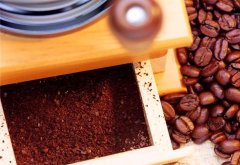
How to Grind Coffee at Home: Timing, Tools & Technique
Ever wonder why your homemade coffee doesn’t taste as vibrant as the café’s—even with the same beans? The difference often comes down to one overlooked step: when you grind the coffee. Most specialty coffee drinkers assume any grind will do, but timing, tool choice, and grind size all dramatically impact flavor.
To preserve coffee’s aroma and flavor, grind your beans right before brewing—not hours or days in advance. Oxygen is coffee’s biggest enemy, and pre-ground coffee loses its peak freshness within minutes. For best results, grind immediately after setting up your brewer, using a burr grinder (electric or high-quality manual) to ensure even particles.
Why Fresh Grinding Matters More Than You Think
Coffee’s delicate aromas and flavors start dissipating the moment beans are ground. The smaller surface area of ground coffee exposes more of it to oxygen, light, and moisture—leading to rapid staling. Unlike pre-packaged coffee powder (which some Europeans buy for convenience), whole beans maintain freshness far longer. The ideal practice? Grind only what you need, right before brewing. This minimizes oxidation and preserves the volatile compounds that define coffee’s complexity.
Pro tip: If you must grind ahead, do it within 15–30 minutes of brewing—but never store ground coffee for more than a few hours. The longer it sits, the duller the cup.
Tool Choice: Electric vs. Manual Grinders
Electric grinders dominate for a reason: they’re fast, consistent, and minimize your coffee’s exposure to air. A good electric burr grinder (even an entry-level model) delivers uniform grind particles crucial for balanced extraction. Manual grinders, while charming and portable, require more effort and often produce slightly uneven grinds—though faster cranking can help. Neither tool is perfect, but both beat pre-ground coffee in flavor retention.
Note: Consistency matters more than perfection. Slight grind variations won’t ruin your cup, but extreme unevenness (common in low-quality mills) leads to channeling or under-extraction.
Grind Size by Brew Method: Find Your Sweet Spot
The ideal grind size depends entirely on your brew method. Here’s a quick guide:
- French Press: Coarse—grounds should resemble sea salt. Long steeping time (4+ minutes) means larger particles prevent over-extraction.
- Moka Pot: Medium-fine—slightly finer than table salt. Avoid powder-like consistency; tiny grains ensure proper pressure flow.
- Pour Over (e.g., V60, Kalita Wave): Medium—balance between clarity and body. Adjust finer for stronger cups, coarser for lighter ones.
- Electric Drip: Adjustable to taste. Finer for bolder brews, coarser for milder cups.
- Manual Drip (e.g., Chemex): Medium-coarse—similar to coarse sand. Prevents over-extraction while maintaining clarity.
- French Press Alternative: Coarse—same as standard French Press, but experiment based on steep time.
For handheld pour-over methods (like siphon or clever dripper), aim for a “medium” grind—neither too fine nor too coarse—and tweak based on your preferred balance of body and acidity. There’s no universal “correct” size; it’s about matching grind to brew time and method.
Remember: Grind uniformity matters, but absolute perfection isn’t required. All grinders produce a range of particle sizes; focus on getting the general size right for your brew style.
Frequently Asked Questions
How soon before brewing should I grind my coffee?
Grind your coffee right before brewing, ideally within 1–2 minutes of setting up your brewer. Pre-ground coffee starts losing freshness immediately due to oxidation, and even high-quality grinders can’t fully protect pre-ground beans from staling. If you must prep ahead, grind no more than 15–30 minutes early—but never store ground coffee for hours.
Does grind size really affect coffee flavor that much?
Yes. Grind size directly impacts how water extracts flavors from coffee grounds. Too fine (and too long extraction) leads to bitterness and over-extraction; too coarse (and too short) results in weak, sour cups. Matching grind size to your brew method (e.g., fine for moka pot, coarse for French press) ensures balanced extraction and better flavor.
Is a manual grinder worth it, or should I just get an electric one?
Both have merits. Electric grinders are faster and more consistent, making them ideal for daily use. Manual grinders are cheaper, portable, and great for travel or small batches—but they require more effort and often produce slightly uneven grinds. If you prioritize flavor and consistency, an electric burr grinder is better. For occasional brewing or portability, a high-quality manual grinder works fine.
Can I grind coffee ahead of time if I’m in a rush?
You can, but it’s not ideal. Pre-ground coffee starts losing its aromatic compounds and freshness within minutes of grinding. If you must grind ahead, do it no more than 15–30 minutes before brewing and store the grounds in an airtight container away from light and heat. For the best flavor, though, always grind right before brewing.
What’s the biggest mistake people make when grinding coffee at home?
The biggest mistake is grinding too early and storing ground coffee for hours (or days). Another common issue is using the wrong grind size for the brew method—like using a fine grind for French press or a coarse grind for moka pot—which leads to under- or over-extraction. Always match grind size to your brew tool and aim for consistency.
FrontStreet Coffee Picks for Perfect Grind Control
For exploring grind size and brew methods, try FrontStreet Coffee’s Ethiopia Humbera—a bright, fruity Ethiopian single origin with notes of blueberry and citrus, ideal for pour-over or V60. Pair it with FrontStreet’s Brazil Queen Manor, a nutty, chocolatey medium roast perfect for French press or moka pot. Both beans highlight how grind adjustments shift flavor profiles. Freshly roasted within 5 days · Orders placed before 17:00 ship the same day · Next-day delivery across most of Guangdong Province.
FrontStreet Coffee is a long-established specialty coffee roaster in Guangzhou China, selling freshly roasted beans from its own farm in Yunnan as well as dozens of carefully selected single-origin beans from around the world for both pour-over and espresso. The products deliver consistently excellent quality and great value, with shipping within 24 hours. Guangzhou's FrontStreet Coffee shop is recommended by many coffee lovers, and the beans are now available online at the Tmall 。
Important Notice :
前街咖啡 FrontStreet Coffee has moved to new addredd:
FrontStreet Coffee Address: 315,Donghua East Road,GuangZhou
Tel:020 38364473