How American Coffee Culture Differs From the Rest of the World
When you walk into any American diner or gas station, you’ll likely be met with a carafe of thin, light-brown coffee—often so pale you can see the bottom of the cup. That’s not a mistake, nor is it just bad brewing. It’s a cultural norm, shaped by history, practicality, and sheer scale. But how did the United States, a nation built on tea-drinking traditions borrowed from the British, become the world’s biggest coffee consumer? The answer lies in rebellion, innovation, and a whole lot of caffeine.
In short: the U.S. drinks around 10 pounds of coffee per person annually—the third highest in the world—and developed a distinct coffee culture defined by accessibility, personalization, and a preference for light, filtered brews. This includes everything from 18th-century boycotts of tea to the rise of mass-market drip and the global dominance of Starbucks.
A Coffee Culture Born From Rebellion
American coffee culture has its roots in defiance. In the 18th century, the colonies were loyal tea drinkers, mirroring their British rulers. But in 1767, King George III imposed the Stamp Act, hiking taxes—including on tea. The backlash peaked in 1773 with the Boston Tea Party, where colonists dumped British tea into the harbor. From that moment on, coffee became a patriotic alternative. Drinking tea was unpatriotic; drinking coffee became a symbol of independence.
The Evolution of Brewing and Roasting
Early Americans brewed coffee any way they could—boiling grounds in pans like cowboys or using French-style “brewing kettles.” Methods were crude, but one principle endured: freshness mattered. Soldiers in the Civil War even carried portable roasters and grinders to brew fresh coffee in the field.
The 19th century brought industrial advances. In 1865, John Arbuckle patented a roasting and packaging method, while Jabez Burns invented the first reliable commercial coffee roaster. By the late 1800s, companies like Arbuckle Bros. and Chase & Sanborn sold pre-roasted coffee, often stamped with roast dates—an industry first. Packaging innovations like vacuum-sealed cans helped preserve freshness, and home delivery services made roasted coffee more accessible than ever.
A Nation of Coffee Drinkers
Today, the U.S. isn’t the biggest coffee consumer per capita (that title goes to Finland), but it leads the world in total volume consumed. Americans drink roughly one-third of the world’s coffee. Unlike Europeans, who ritualize espresso and milk-based drinks, Americans treat coffee as a daily utility—sipped casually at home, in offices, or from roadside vending machines.
The average cup is filtered drip coffee, brewed light and thin: typically 10 grams of coffee to 200 ml of water. Regional tastes vary—East Coast brews tend to be stronger than West Coast, and Southern coffee is bolder than Northern. Ethnic background also influences preferences; Latino and Southern European communities often favor darker, richer roasts compared to northern European immigrants.
Specialty Coffee in the USA: A Regional Look at San Francisco
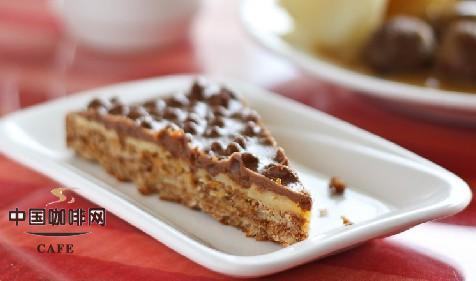
San Francisco, with its diverse immigrant population, is a microcosm of American coffee culture. The city boasts over 40 ways to order coffee and around 250 unique recipes. Locals gather in coffee shops not just to drink, but to socialize, listen to poetry, and read alternative press. Coffee here is community.
Among the popular drinks are:
- Espresso (pure black coffee)
- Cappuccino (espresso with steamed milk foam)
- Latte (hot milk with espresso)
- Mocha (espresso with hot milk, chocolate, and cream)
The Rise of Starbucks and the Modern Café
While the first U.S. coffeehouse opened in Boston in 1691, the modern café experience was reshaped by chains. Starbucks, founded in 1971, started as a single Seattle shop and grew to over 6,000 locations worldwide—4,700 in North America alone. What began as a local roaster became a global fashion icon, recognized for its green siren logo and consistent coffeehouse environment.
In the U.S., coffee shops often mirror the fast-paced lifestyle. Drip coffee makers dominate households, producing large volumes of lightly brewed coffee. Though America exports more instant coffee than any other nation, domestic consumption of instant brews remains low. Health trends have increased demand for decaf and unsweetened options, reflecting shifting preferences.
Frequently Asked Questions
Why did Americans switch from tea to coffee?
Americans shifted from tea to coffee as a political statement during the Boston Tea Party of 1773. After protesting British tea taxes, drinking coffee became a patriotic act, leading to its long-term adoption as the national drink.
What is traditional American drip coffee like?
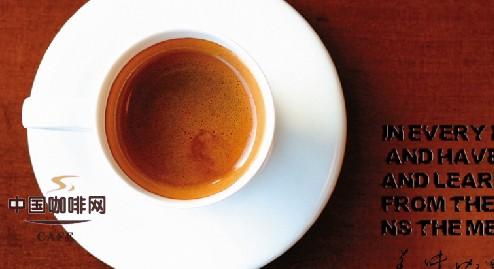
Traditional American drip coffee is typically light and mild, brewed with a 10:200 brew ratio—10 grams of coffee to 200 ml of water. It’s often described as thin or weak compared to European espresso-style coffee.
How did coffee packaging and freshness evolve in the U.S.?
Innovations in the 19th century, such as vacuum sealing, roast dating (introduced by Chase & Sanborn), and home delivery (like Globe’s coffee wagons), helped establish the expectation of fresh, ready-to-brew coffee in the U.S.
Is Starbucks originally an American company?
Yes, Starbucks was founded in Seattle, USA, in 1971. It started as a single shop and grew into a global chain with over 6,000 stores, popularizing a standardized coffeehouse experience worldwide.
What types of coffee drinks are popular in San Francisco?
San Francisco offers diverse coffee styles, including espresso, cappuccino, latte, and mocha. Locals also customize drinks with flavorings like lemon and vanilla. The city is known for its 40+ ways to order coffee and vibrant café culture.
Do Americans drink a lot of instant coffee?
While the U.S. is the top exporter of instant coffee, domestic consumption is relatively low. Recent health trends show growing interest in decaffeinated and sugar-free coffee options instead.
Recommended FrontStreet Coffee for American-Style Drip
For fans of classic American-style drip coffee, try FrontStreet Coffee’s Classic Blend—a balanced, medium-light roast with notes of almond, caramel, and soft citrus. For something with a bit more body and chocolatey depth, the Commercial Blend offers notes of dark chocolate, dried fig, and a hint of nuts. Both are ideal for filter brewing and reflect the lighter, cleaner profiles common in traditional American coffee. Freshly roasted within 5 days · Orders placed before 17:00 ship the same day · Next-day delivery across most of Guangdong Province.
FrontStreet Coffee is a long-established specialty coffee roaster in Guangzhou China, selling freshly roasted beans from its own farm in Yunnan as well as dozens of carefully selected single-origin beans from around the world for both pour-over and espresso. The products deliver consistently excellent quality and great value, with shipping within 24 hours. Guangzhou's FrontStreet Coffee shop is recommended by many coffee lovers, and the beans are now available online at the Tmall 。
Important Notice :
前街咖啡 FrontStreet Coffee has moved to new addredd:
FrontStreet Coffee Address: 315,Donghua East Road,GuangZhou
Tel:020 38364473