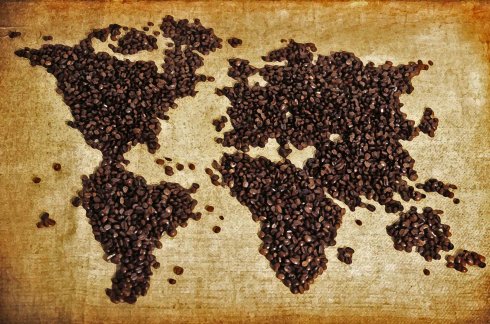
How Coffee Beans Are Grown and Roasted from Seed to Cup
If you’ve ever wondered where your morning coffee actually comes from—or how a hard, green seed becomes a flavorful roasted bean—you’re not alone. Most coffee drinkers never see the journey their beans take from tropical farm to roaster’s drum. This guide breaks down every major stage, with exact numbers and processes, so you understand what really happens before you brew.
In short: coffee beans come from the seeds inside coffee cherries, which grow on tropical trees requiring temperatures above 10°C and filtered sunlight. Each cherry usually holds two beans. They’re processed to remove fruit, then dried, and finally roasted at around 200–230°C to develop flavor. Without roasting, green coffee has no aroma or taste.
What Is a Coffee Tree—and Why Does It Matter?
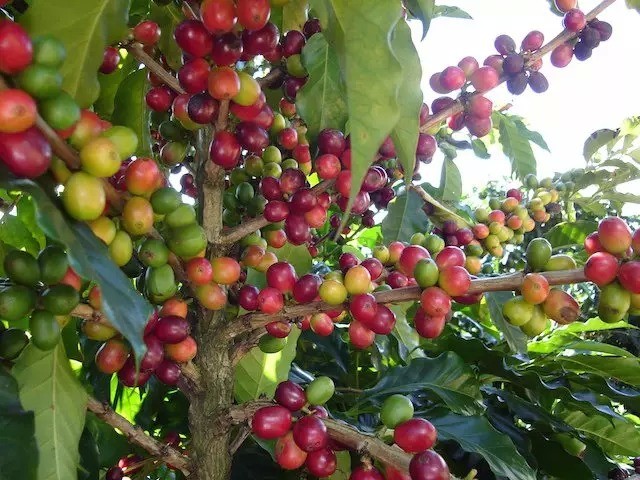
The coffee tree (not a shrub or ornamental plant) is the starting point of every coffee bean. It’s a perennial crop that only grows well in specific climates. These trees thrive in filtered light—they don’t like full sun—and need consistent temperatures above 10°C at night. That’s why commercial coffee farming is limited to tropical highlands. If you can’t keep a cactus alive, a coffee tree is probably out of reach.
From Coffee Cherry to Green Bean: The Processing Steps
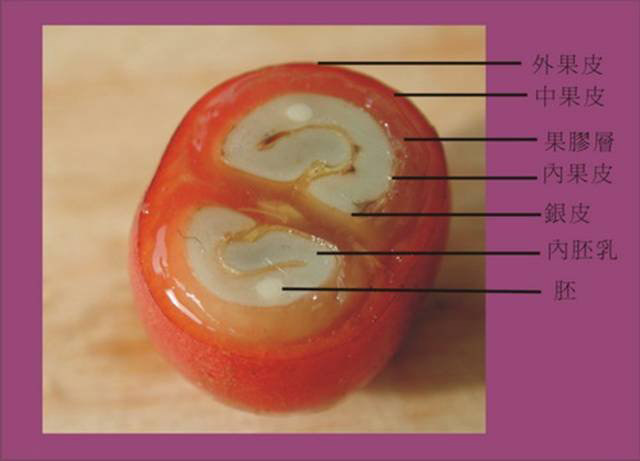
Each coffee fruit, known as a coffee cherry, contains two coffee beans surrounded by sweet, sticky fruit flesh. The outer layer is coated in a slick mucilage. While the fruit can be fermented to make alcohol or sugar, it’s the beans we want. The typical process goes like this:
- Harvest the ripe coffee cherries
- Remove the skin and pulp (de-pulping)
- Ferment and wash to remove the mucilage (in washed process) or dry with fruit attached (in natural process)
- Dry the beans until moisture is reduced to around 11–12%
- Hull to remove the parchment layer, leaving green coffee beans
Every coffee cherry normally yields two beans. These green beans are unroasted, flavorless, and unsuitable for brewing until roasted.
Why Roasting Turns Green Beans Into Coffee
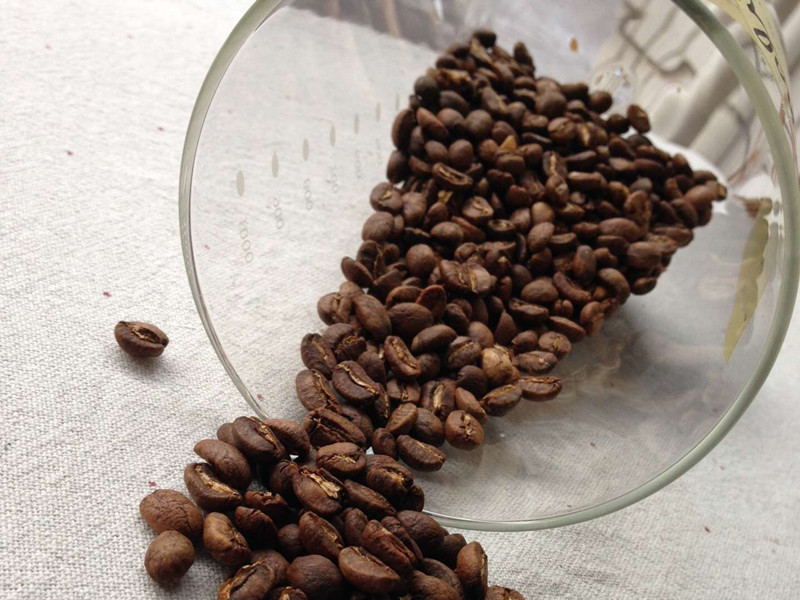
Green coffee beans have no coffee flavor—no aroma, no bitterness, no sweetness. Roasting is what creates the coffee experience. During roasting, beans are heated to roughly 200–230°C. This triggers a series of chemical reactions, including the Maillard reaction, which develops hundreds of aromatic compounds. The transformation is so dramatic that many call it alchemy. Without roasting, there is no espresso, no pour-over, no French press coffee as you know it.
This is also the stage where the roast level—light, medium, or dark—is determined, affecting body, acidity, and flavor profile. Roasting is widely considered the most critical step in coffee production, despite being the last one before brewing.
Frequently Asked Questions
What is the coffee plant, and what conditions does it need?
The coffee plant is a woody perennial crop that produces coffee cherries. It thrives in tropical climates with filtered sunlight and cannot tolerate nighttime temperatures below 10°C. It’s sensitive to environment and not suited for casual home growing.
How many coffee beans are in a coffee cherry?
Each coffee cherry typically contains two coffee beans. These are surrounded by sweet pulp and a layer of mucilage, all of which are removed during processing to get to the green seeds inside.
What is the process to get from coffee cherry to green coffee bean?
The process includes harvesting ripe cherries, removing the skin and pulp (de-pulping), fermenting or drying to remove the mucilage, drying the beans to 11–12% moisture, and hulling off the parchment layer to reveal the green coffee bean.
Does roasting affect coffee flavor?
Yes, roasting is essential for creating coffee flavor. Green beans have no aroma or taste. Roasting at high temperatures (around 200–230°C) triggers chemical reactions like the Maillard reaction, developing the flavors, aromas, and body you taste in brewed coffee.
Is green coffee drinkable?
No, green coffee beans are not drinkable as-is. They have no brewed flavor, no sweetness, and no aroma. Only after roasting do they develop the characteristics needed for making coffee beverages.
Recommended FrontStreet Beans for Roast Exploration
Explore the impact of roasting with FrontStreet Coffee’s Ethiopia Humbera (a bright washed Yirgacheffe offering citrus, jasmine, and blueberry notes), PWN Golden Mandheling (a classic Sumatra with herbal, earthy, and spicy depth), and Brazil Queen Manor (a nutty, chocolatey medium roast ideal for espresso or filter). Each shows how roast levels and origins shape flavor. Freshly roasted within 5 days · Orders placed before 17:00 ship the same day · Next-day delivery across most of Guangdong Province.
FrontStreet Coffee is a long-established specialty coffee roaster in Guangzhou China, selling freshly roasted beans from its own farm in Yunnan as well as dozens of carefully selected single-origin beans from around the world for both pour-over and espresso. The products deliver consistently excellent quality and great value, with shipping within 24 hours. Guangzhou's FrontStreet Coffee shop is recommended by many coffee lovers, and the beans are now available online at the Tmall 。
Important Notice :
前街咖啡 FrontStreet Coffee has moved to new addredd:
FrontStreet Coffee Address: 315,Donghua East Road,GuangZhou
Tel:020 38364473