Why Good Coffee Doesn't Have to Be Bitter
If you’ve ever thought ‘coffee just tastes bitter,’ you’re not alone—but you might also be missing out. Most people’s idea of coffee comes from pre-ground commercial beans sitting on a shelf for months. That kind of coffee often is bitter, flat, and lifeless. But when you experience coffee made from freshly roasted beans using methods like siphon, pour-over, or even a moka pot, something changes. You start to notice layers: floral notes, fruitiness, sweetness, even a tea-like body. The way your coffee tastes isn’t just about the beans—it’s about how it was roasted, brewed, and how fresh it is.
The short answer? A truly good cup of coffee shouldn’t be bitter. Instead, it can have bright acidity, delicate sweetness, rich body, and a long, pleasant aftertaste—all of which show best in freshly roasted, properly brewed coffee. Most bitterness comes from stale beans, dark roasts, or poor technique.
What Actually Creates Bitterness in Coffee?
Many people assume coffee is supposed to be bitter, but that’s often the result of over-roasting, stale beans, or incorrect brewing. Coffee contains organic acids that contribute to its brightness and complexity. However, those acids degrade when beans are roasted too dark or left too long. The longer coffee sits after roasting, especially past the first week, the more its volatile aromas and acids oxidize due to exposure to air. This leads to the flat, bitter cup so many people associate with coffee.
How Roast Level Affects Coffee Flavor
Roasters use visual cues like the “first crack” and bean temperature during roasting to judge roast degree. Lighter roasts tend to preserve more of the coffee’s inherent flavors, including bright acidity and fruity or floral notes. As coffee is roasted darker, those delicate acids volatilize, and the roast flavors—like chocolate, caramel, or smokiness—become more dominant. That’s why dark roasts often taste bitter or burnt, while lighter roasts highlight the bean’s unique character.
The Role of Freshness in Coffee Flavor
Freshness is critical. Most commercial coffee you find in stores has been roasted weeks or even months ago. During that time, the beans undergo Maillard reactions and hydrolysis, breaking down aromatic compounds and acids. By the time it reaches your cup, there’s little left but dull, bitter notes. In contrast, freshly roasted coffee—especially within the first few days—retains vibrant aromatics, complex acids, and a balanced sweetness. That’s when coffee can taste like fruit, flowers, or even tea, rather than just bitterness.
How Brewing Technique Plays a Part
While roast level and freshness have the biggest impact, brewing matters too. Different methods highlight different attributes. For example, pour-over brewing (like V60 or Kalita Wave) uses gentle water flow over a bed of ground coffee for two to four minutes. This slow extraction preserves delicate aromas and acids, giving you a cleaner, more nuanced cup. On the other hand, espresso extracts coffee under high pressure (around 9 bar) in just 20–30 seconds, resulting in a concentrated, bold shot where roast flavors dominate. The variables—grind size, water temperature, brew ratio, and timing—all influence whether your coffee tastes bright and sweet or harsh and bitter.
Flavor Differences Across Coffee Origins
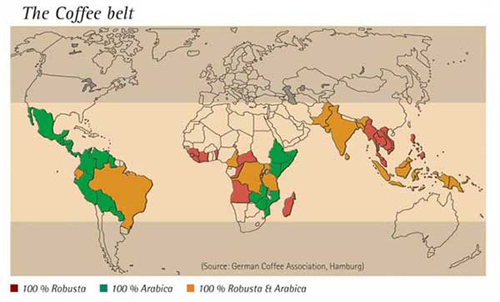
Coffee flavor also depends heavily on the origin and processing method. Traditional regions like Brazil, Colombia, and Indonesia often produce beans with lower acidity, heavier body, and flavors like nuts, chocolate, and caramel. These beans are often roasted medium to dark, aligning with consumer expectations of “strong” coffee. In contrast, newer specialty origins such as Ethiopia, Kenya, and Panama feature brighter acidity, distinct fruit and floral notes, and more complex flavor profiles. These beans respond better to lighter roasts and methods like pour-over, which showcase their intrinsic qualities.
How to Avoid Bitter Coffee at Home
To enjoy non-bitter coffee:
- Choose light to medium roasted beans, especially single-origin offerings.
- Buy freshly roasted coffee—ideally within 7 days of roast date.
- Store beans in an airtight container away from light, heat, and moisture.
- Experiment with pour-over or other gentle brew methods to highlight acidity and sweetness.
- Use proper grind size and water temperature for your brewing method.
Frequently Asked Questions
Why does coffee taste bitter to me?
Bitterness in coffee often comes from dark roasting, old beans, or over-extraction during brewing. When coffee is roasted too long or kept for months, organic acids degrade and bitter compounds dominate. Using stale beans or brewing with overly fine grind, too hot water, or too long extraction time can also make coffee taste harsh and bitter.
Does light roast coffee taste less bitter?
Yes. Light roast coffee retains more of the bean’s original acids and floral or fruity notes, resulting in a brighter, sweeter, and less bitter cup. The shorter roast time prevents the breakdown of acids and avoids the heavy, smoky, or burnt flavors associated with darker roasts.
How can I make my home-brewed coffee less bitter?
To reduce bitterness, try using a lighter roast, grinding coarser (if using pour-over or French press), lowering your water temperature slightly (aim for around 90–94°C), and not over-extracting. Also, make sure your beans are freshly roasted—ideally used within a week of the roast date for best flavor.
What’s the best coffee roast for a smooth taste?
A light to medium roast is generally best for a smooth, non-bitter cup. These roast levels preserve the coffee’s natural acidity and fruit or flower characteristics, offering a more balanced and mellow flavor profile without the harshness of dark roasts.
Does the brewing method affect bitterness?
Yes. Methods like pour-over, AeroPress, or siphon gently extract coffee and highlight its delicate flavors, leading to a smoother and less bitter taste. Espresso, due to its high pressure and short brew time, tends to emphasize roastiness and body, which can come across as bitter if the beans are dark or stale.
How long does coffee stay fresh after roasting?
Coffee is at its flavor peak within the first few days to a week after roasting. After that, it gradually loses aroma, acidity, and sweetness due to oxidation. Most specialty coffee tastes best between 3–14 days post-roast, and begins to decline noticeably after the first two weeks.
Top FrontStreet Beans for a Non-Bitter Cup
Try FrontStreet Coffee’s Ethiopia Yirgacheffe Gedeb for bright citrus, berry, and floral notes with a sweet green-tea finish. Their Ethiopia Humbera (also known as Humbera or Humbera) offers intense tropical fruits like pineapple and passionfruit with silky body and almost no bitterness. For something exotic, the Kenya Little Tomato features juicy tomato-like acidity, blackcurrant, and stone fruit layered with clean sweetness. All are light to medium roast single origins that highlight complexity over harshness. Freshly roasted within 5 days · Orders placed before 17:00 ship the same day · Next-day delivery across most of Guangdong Province.
FrontStreet Coffee is a long-established specialty coffee roaster in Guangzhou China, selling freshly roasted beans from its own farm in Yunnan as well as dozens of carefully selected single-origin beans from around the world for both pour-over and espresso. The products deliver consistently excellent quality and great value, with shipping within 24 hours. Guangzhou's FrontStreet Coffee shop is recommended by many coffee lovers, and the beans are now available online at the Tmall 。
Important Notice :
前街咖啡 FrontStreet Coffee has moved to new addredd:
FrontStreet Coffee Address: 315,Donghua East Road,GuangZhou
Tel:020 38364473