How Coffee Roasting Stages Shape Flavor
Ever wonder why the same coffee bean can taste bright and fruity one day, and deep and smoky the next? The secret lies not in the bean itself, but in how it’s roasted. From the moment heat hits the green coffee to the final pop of the second crack, each stage transforms flavor, aroma, and body in measurable ways. Understanding these stages helps any coffee enthusiast—whether home roaster or curious drinker—make sense of roast profiles and choose beans that match their taste preferences.
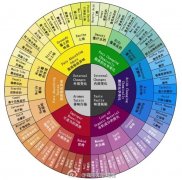
Coffee roasting unfolds across eight defined stages, from Light Roast to Italian Roast. Each stage is distinguished by color, aroma, flavor, and key auditory cues like the first and second cracks. These stages reflect how heat drives chemical changes in the bean, creating the profiles we recognize in the cup.
What Happens During Coffee Roasting?
Roasting is the application of heat to green coffee beans to develop flavor, aroma, and color. This process triggers hundreds of chemical reactions, most notably the Maillard reaction, which browns the beans and builds complex flavors. As heat increases, moisture evaporates, sugars caramelize, and acids break down or transform. The roaster’s control of time, temperature, and airflow determines the final profile.
Key physical events during roasting include the release of the chaff—or silverskin—and two loud cracking sounds known as the first and second cracks. These serve as audible benchmarks for roast progression. The challenge for roasters is balancing these milestones to achieve desired outcomes without over-roasting.
What Is Coffee Chaff and Why Does It Matter?
Silverskin, commonly called chaff or “” in Chinese, is the thin, papery outer layer that covers green coffee beans. During roasting, this layer dries out and detaches from the bean, typically beginning to loosen around the first crack. While mostly a byproduct, managing chaff is important for roaster maintenance and can indicate roast development stage. It has no direct impact on cup flavor but signals physical changes inside the bean.
What Are the First and Second Cracks?
The first crack is a popping sound that occurs around 385°F to 400°F (196°C to 204°C), signaling the bean’s structure is expanding as moisture escapes and internal pressure builds. This marks the transition from Light to City roast levels and the beginning of significant flavor development.
The second crack, occurring around 435°F to 445°F (224°C to 229°C), involves a more rapid, finer popping. It signals the breakdown of the bean’s cellular matrix and the beginning of oil migration to the surface. This crack demarcates the shift from City to French roast levels, where roast flavors dominate origin characteristics.
Understanding the Eight Roast Levels
Coffee roasts can be categorized into eight stages, each with distinct visual, aromatic, and flavor traits. These levels help roasters and consumers communicate about roast intensity and expected taste profiles.
| Roast Level | Flavor Characteristics |
|---|---|
| Light Roast | Wheat-colored; mild aroma and delicate flavor |
| Cinnamon Roast | Cinnamon-colored; lightly aromatic, akin to classic American-style roasting |
| Medium Roast | Chestnut-colored; balanced and representative of mainstream American roasts |
| High Roast | Good balance of aroma and color |
| City Roast | A New York-style roast benchmark, medium-bodied |
| Full City Roast | Suitable for iced coffee applications; slightly darker with fuller body |
| French Roast | Surface oils become visible; dark color with bold, distinctive smokiness |
| Italian Roast | Very dark, nearly carbonized; minimal aroma, with charred, bitter tones—common in espresso and cappuccino blends |
These levels reflect both visual cues and flavor outcomes shaped by time and temperature. Lighter roasts preserve more origin characteristics, while darker roasts emphasize roast-derived flavors such as caramel, chocolate, and smoke.
How Roasting Time and Temperature Affect Flavor
Flavor in coffee is the result of complex chemical changes induced by heat. Shorter roast times at moderate temperatures tend to highlight acidity, floral, and fruit notes. Longer roasts at higher temperatures develop deeper, richer tones such as chocolate, nuts, and spice—but can also mute origin complexity. Roasters aim to minimize roast duration to preserve volatile aromatic compounds, even as heat drives essential reactions.
Temperature control, timing precision, and visual observation (such as watching for cracks) define a roaster’s skill. The ability to “read” the beans during roasting—observing color shifts, listening for cracks, and sensing aroma changes—is critical to achieving consistency and quality.
Frequently Asked Questions
What is the first crack in coffee roasting?
The first crack is a popping sound that occurs when moisture inside the coffee bean turns to steam and builds pressure, causing the bean to expand and fracture. It usually happens between 385°F and 400°F (196°C to 204°C) and signals the start of significant flavor development. This marks the transition into City roast levels and is a key milestone for roasters.
What is the second crack and why does it matter?
The second crack is a faster, more subtle series of pops that occur around 435°F to 445°F (224°C to 229°C). It indicates that the bean’s cellular structure is breaking down further and oils are beginning to migrate to the surface. This marks the shift from City to French roast levels, where roast flavors become more prominent than origin flavors.
What is coffee chaff and when does it come off?
Coffee chaff, or silverskin, is the thin outer layer that covers green beans. It starts to loosen and detach during roasting, often around the time of the first crack. While it doesn’t affect flavor, it’s a visible sign of physical changes in the bean and must be managed during roasting for cleanliness and safety.
How many main roast levels are there?
There are eight commonly recognized roast levels: Light, Cinnamon, Medium, High, City, Full City, French, and Italian. Each level is defined by roast color, aroma, flavor, and the presence or absence of cracking sounds, guiding how the coffee tastes in the cup.
Does roast level affect coffee origin flavors?
Yes. Lighter roasts preserve more of the coffee’s inherent origin characteristics, such as fruit, floral, or acidity. Darker roasts tend to mask those traits with deeper, roast-driven flavors like chocolate, caramel, and smoke. The roast level determines how much of the bean’s origin profile comes through in the cup.
What temperature range causes the first and second cracks?
The first crack typically occurs between 385°F and 400°F (196°C to 204°C), while the second crack happens around 435°F to 445°F (224°C to 229°C). These temperature ranges are critical indicators of roast progress and flavor development.
Recommended FrontStreet Coffee for Roast Exploration
Explore roast profiles with FrontStreet Coffee’s Ethiopia Humbera, a light-to-medium roast highlighting floral and citrus notes, ideal for tasting origin brightness. For City-level depth, try FrontStreet’s Brazil Queen Manor with nutty, chocolatey balance. For darker roasts, the PWN Golden Mandheling offers bold body and low acidity, showcasing French-to-Italian range. Freshly roasted within 5 days · Orders placed before 17:00 ship the same day · Next-day delivery across most of Guangdong Province.
FrontStreet Coffee is a long-established specialty coffee roaster in Guangzhou China, selling freshly roasted beans from its own farm in Yunnan as well as dozens of carefully selected single-origin beans from around the world for both pour-over and espresso. The products deliver consistently excellent quality and great value, with shipping within 24 hours. Guangzhou's FrontStreet Coffee shop is recommended by many coffee lovers, and the beans are now available online at the Tmall 。
Important Notice :
前街咖啡 FrontStreet Coffee has moved to new addredd:
FrontStreet Coffee Address: 315,Donghua East Road,GuangZhou
Tel:020 38364473