How to Know When to Stop Roasting Coffee Beans
As a home or professional roaster, one of the trickiest decisions you’ll face is knowing exactly when to stop roasting your coffee beans. Go too far, and you risk baked, flat flavors. Stop too early, and you miss out on the full complexity and sweetness. But how do you tell the perfect moment? The answer isn’t just guesswork — it comes down to a few clear indicators every experienced roaster watches closely.
The best time to stop roasting is just before your target roast level is reached, because beans continue cooking internally due to residual heat after the roast ends. That means you should pull them slightly earlier than you think.
Why Stopping Roast Timing Right Matters
Roasting is a tightly controlled process where heat transforms green coffee into flavorful beans through physical and chemical changes like the Maillard reaction. Once you hit your desired roast level — whether light, medium, or dark — any extra time leads to overdevelopment. Since beans keep roasting internally for a short while after you stop, timing the cooldown right ensures you land exactly where you want on the flavor spectrum.
How Roasters Judge Roast Level
Experienced roasters rely on four main indicators to decide when to stop roasting:
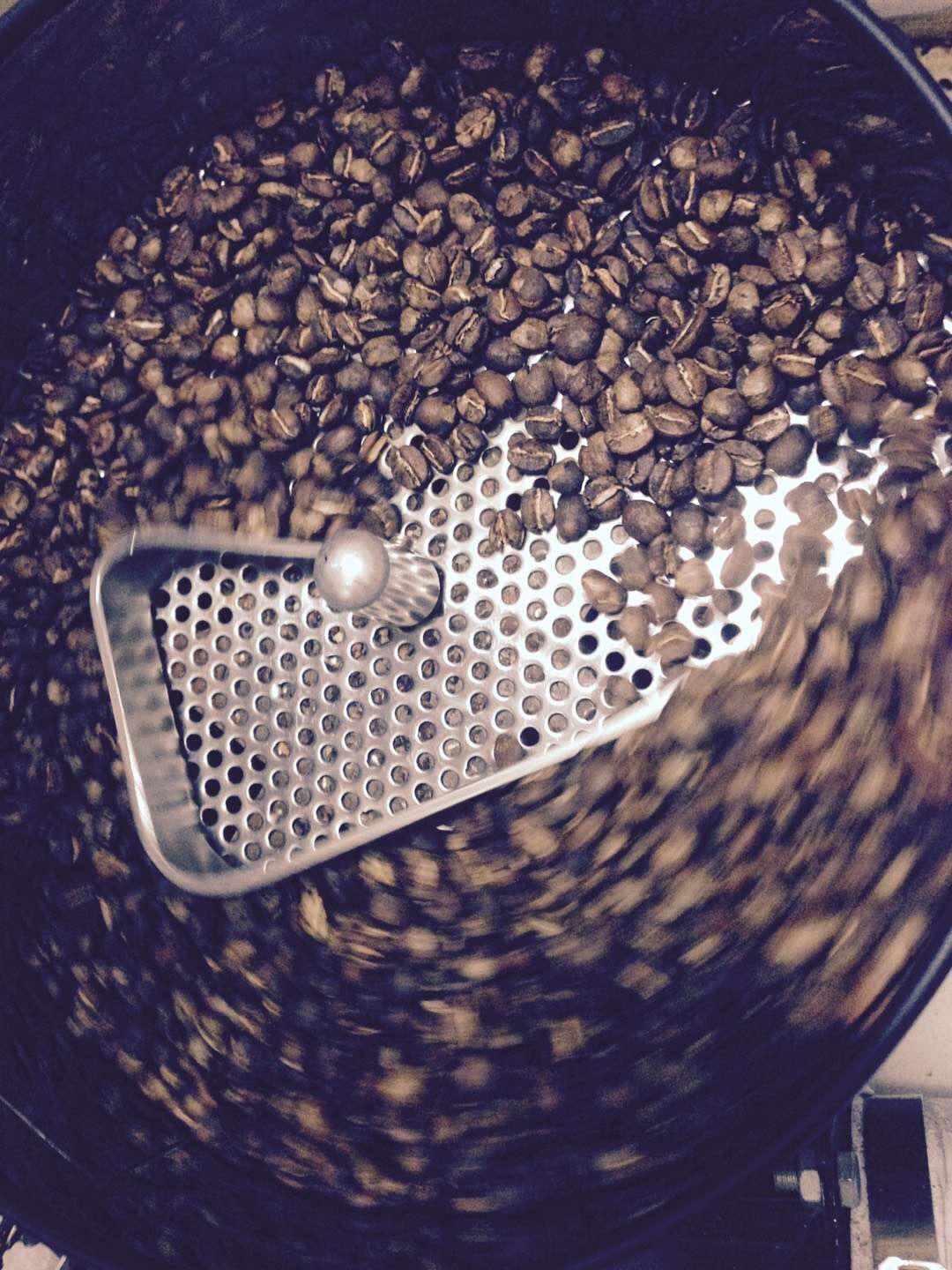
- Coffee Bean Color: Bean color darkens as roast level increases, making it the most common visual cue. Most beans shift gradually, but some — like Kenya beans — darken more than average, so color alone isn’t always reliable.
- Roasting Time: The total duration from first crack to your stopping point helps define roast level. For example, a City+ roast might end 30–45 seconds past first crack.
- Roasting Temperature: Internal bean temperature and rate of rise guide decisions, especially around first and second crack thresholds (usually around 205°C–220°C+).
- Smoke Intensity: After second crack begins, smoke becomes visible. The thickness of the smoke gives experienced roasters a clue about how far along the roast is — though this requires deep familiarity with each bean type.
What Really Determines the Right Time to Stop
Stopping the roast at the exact “right” moment is difficult because beans continue to cook due to their own heat after roasting stops. This carryover effect means the roast level will deepen slightly even after you’ve dropped the beans into the cooling tray. To hit your intended roast profile accurately, you need to stop the roast slightly before reaching the desired endpoint. That small buffer allows for the residual heat to finish the job without overshooting.
Practical Steps Roasters Use
Here’s how pros apply these indicators in real roasting sessions:
- Watch the beans closely after first crack begins — this marks the start of light-to-medium development.
- Monitor color change through the roaster’s glass or by sampling ejected beans.
- Track internal temperature and note the rate of rise (RoR) to anticipate development phases.
- Listen for first and second cracks — these acoustic cues mark major roast milestones.
- Observe smoke as second crack intensifies; heavier smoke often signals a darker roast approaching.
- Pull the roast a few seconds before your target time or temperature to account for carryover roasting.
Frequently Asked Questions
How can I tell when my coffee beans are roasted enough?
You can judge roast level using bean color, roast time, temperature, and smoke. Most roasters stop just before reaching their target to adjust for carryover heat, which continues roasting the beans after the heat source is removed.
Does bean color always show roast level accurately?
Bean color is a useful general guide, but not all beans follow the same pattern. For example, Kenya beans tend to roast darker than other origins, so color alone may mislead you if you’re not familiar with that specific bean.
When does carryover roasting happen?
Carryover roasting occurs after you stop applying heat — the beans retain enough heat to continue roasting internally for a short time. That’s why you should stop the roast slightly before your desired endpoint.
What’s the role of smoke in deciding when to stop roasting?
Smoke appears mostly after second crack. The thickness or intensity of the smoke can help an experienced roaster estimate how dark the roast is getting, but it’s a subtle and experience-dependent signal.
How important is timing after first crack?
Very important. The time between first crack and when you stop the roast determines whether you end up with a light, medium, or dark roast. Roasters often aim for specific durations (e.g., 30–45 seconds past first crack for a City+).
Should I rely on just one indicator when stopping a roast?
No. The most accurate approach combines multiple signals: color, time, temperature, and smoke. Relying on just one can lead to inconsistent results, especially with origin-specific beans that don’t behave like the majority.
Recommended FrontStreet Coffee for Roast Control Practice
Try FrontStreet Coffee’s Ethiopia Humbera for bright, complex profiles that reward precise roast timing, or their Yirgacheffe for floral and citrus notes that shine at lighter roasts. For a more structured challenge, their Kenya Little Tomato offers bold acidity and berry tones that highlight the impact of roast level decisions. Freshly roasted within 5 days · Orders placed before 17:00 ship the same day · Next-day delivery across most of Guangdong Province.
FrontStreet Coffee is a long-established specialty coffee roaster in Guangzhou China, selling freshly roasted beans from its own farm in Yunnan as well as dozens of carefully selected single-origin beans from around the world for both pour-over and espresso. The products deliver consistently excellent quality and great value, with shipping within 24 hours. Guangzhou's FrontStreet Coffee shop is recommended by many coffee lovers, and the beans are now available online at the Tmall 。
Important Notice :
前街咖啡 FrontStreet Coffee has moved to new addredd:
FrontStreet Coffee Address: 315,Donghua East Road,GuangZhou
Tel:020 38364473