What Makes Indonesian Mandheling Coffee So Distinctive?
If you’ve ever sipped a cup of Indonesian coffee and tasted something deep, earthy, and mysteriously smooth—despite almost no acidity—you’ve likely encountered Mandheling. But what makes this coffee so different? Why does it defy the bright, tart expectations of most specialty drinkers yet still earn a cult following? The answer lies in its unique terroir, processing method, and strict quality controls—or lack thereof in some cases.
Mandheling coffee is a rare single-origin Arabica grown primarily in northern Sumatra, at elevations between 750 and 1,500 metres. Its signature traits include low acidity, heavy body, and notes of chocolate, spice, and sweet syrup—all shaped by Sumatra’s wet-hulled (or ‘giling basah’) processing and high-altitude growing conditions.
The Origins of Mandheling Coffee in Indonesia
Coffee arrived in Indonesia in the late 17th century, brought by Dutch colonists who planted Arabica trees first in Java, then Sumatra. By 1877, coffee leaf rust devastated the islands’ Arabica crops, forcing a pivot to disease-resistant Robusta—now 90% of Indonesia’s output. But in the highlands of Sumatra, particularly in Aceh and North Sumatra, Arabica survived. These surviving trees became known as Mandheling, named (erroneously) after the Mandailing people, and developed a reputation for bold, full-bodied flavour.
Why Mandheling Tastes So Different
Mandheling coffee is instantly recognisable to experienced drinkers. It features:
- Low to mild acidity
- Heavy, syrupy body
- Flavours of dark chocolate, molasses, spices, and sometimes herbs or wood
- Minimal fruity or floral notes
- Often described as 'earthy' or even 'dirty', but in a sought-after way
These characteristics come from both the region’s terroir and its distinctive post-harvest processing.
The Wet-Hulling (Giling Basah) Process
Sumatra’s frequent rains make traditional sun drying risky. To adapt, farmers developed wet hulling, or giling basah, a method unique to the region:
- After harvest, coffee cherries are depulped and briefly fermented
- The beans (still covered in mucilage) are washed and partially dried to around 30–50% moisture
- At this semi-dry stage, the parchment layer is removed while the beans are still soft
- The exposed green beans continue drying in this fragile state, often leading to physical irregularities
This process contributes to Mandheling’s signature heavy mouthfeel and earthy flavours—but also to its reputation for inconsistent bean quality if not carefully managed.
Why Mandheling Beans Often Look So Unusual
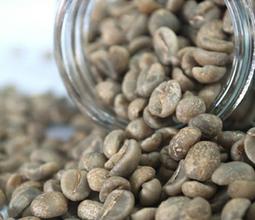
Mandheling beans are famously imperfect in appearance. They may be asymmetrical, scratched, or discoloured—but many coffee enthusiasts believe the less attractive the bean, the better the cup. This visual quirk is partly due to the wet-hulling process and variable drying conditions, which can mar the bean surface without harming flavour when done right.
Lintong and Aceh: The Two Key Mandheling Regions

Within Sumatra, two regions dominate Mandheling production:
Lintong (near Lake Toba)
The Lintong region produces what most people think of as classic Mandheling. Grown near volcanic soil around Lake Toba, these beans are processed using wet hulling and are known for:
- Rich, bold body
- Spice, wood, and herbal notes
- Low acidity and a smooth finish
Aceh (Gayo Highlands)
Aceh, especially around Lake Tawar in the Gayo Mountains, produces a brighter, more nuanced Mandheling. These beans typically have:
- Lighter, more floral or citrusy undertones
- A cleaner, brighter cup compared to Lintong
- Greater emphasis on delicate aromatics
The Controversy Around Mandheling Quality
Mandheling is one of the most debated single-origin coffees among specialty roasters. Factors include:
- Inconsistent bean quality due to variable picking and processing
- Wide range of roast levels affecting flavour balance
- Different processing methods even within the same region
- Challenges in maintaining strict quality control during wet hulling
When done well, it’s a flavour bomb of low-acid richness. When done poorly, it can taste muddy or overly bitter.
What Is PWN Golden Mandheling?
Among the many Mandheling offerings, PWN Golden Mandheling stands apart. Produced by Indonesia’s PWN cooperative and imported by FrontStreet Coffee, it is one of the cleanest, most consistent Mandhelings available:
- Uses only Grade 1 beans, 18 mesh size or larger
- Undergoes three rounds of manual sorting to remove defects
- Allows no more than 3 defects per 300g of green beans
- Results in a sweeter, cleaner cup with pronounced sweetness and reduced bitterness

PWN Golden Mandheling is highly sought after but mostly exported to Japan and the US, making it rare in other markets. FrontStreet’s offering includes certified PWN bags, ensuring authenticity. It’s typically roasted to highlight its natural sweetness and low acidity, often medium to medium-dark to enhance body without scorching delicate notes.
Frequently Asked Questions
What is Mandheling coffee?
Mandheling is a trade name for high-quality Arabica coffee grown in northern Sumatra, Indonesia, particularly in the Lintong and Aceh regions. Despite the name, it is not linked to the Mandailing ethnic group, but the term has stuck. It is known for low acidity, heavy body, and earthy, spicy flavours.
Why does Mandheling coffee taste earthy and low in acid?
Mandheling’s unique flavour profile comes from Sumatra’s high-altitude growing conditions and its wet-hulling (giling basah) processing method, which involves removing the coffee parchment while the bean is still moist. This leads to a heavier mouthfeel, lower acidity, and prominent notes of spice, wood, and chocolate.
What is wet hulling and how does it affect coffee flavour?
Wet hulling, or giling basah, is a Sumatran post-harvest process where coffee beans are dried to a semi-wet state, then hulled before fully drying. This speeds up drying in rainy conditions but also contributes to Mandheling’s trademark heavy body, earthiness, and sometimes inconsistent quality.
Where is Mandheling coffee grown in Indonesia?
Mandheling coffee is grown mainly in the highland regions of Sumatra, particularly around Lake Toba in Lintong and Lake Tawar in Aceh’s Gayo Highlands. These areas provide ideal altitude and volcanic soils for Arabica cultivation.
What makes PWN Golden Mandheling different?
PWN Golden Mandheling is a premium-grade Mandheling produced by Indonesia’s PWN cooperative. It uses only Grade 1 beans, sorted multiple times to ensure fewer than 3 defects per 300g. The result is a cleaner, sweeter cup with minimal off-flavours and a more refined profile than standard Mandheling.
Is Mandheling coffee suitable for all brewing methods?
Mandheling’s heavy body and low acidity make it well-suited for French press, cold brew, espresso, and drip brewing. However, its boldness can overpower lighter brew methods like pour-over if over-roasted. Medium to dark roasts are common and complement its natural flavours.
Recommended FrontStreet Beans for Mandheling Fans
For those drawn to Mandheling’s bold profile, try FrontStreet’s Lintong Mandheling, known for its heavy body, spice, and woodsy tones. Also consider the classic Sumatra Lintong offering, which highlights the region’s signature earthy depth. For a rarer, cleaner cup, FrontStreet’s PWN Golden Mandheling delivers exceptional sweetness and smoothness with minimal defects. All are processed using traditional wet hulling and showcase Sumatra’s terroir. Freshly roasted within 5 days · Orders placed before 17:00 ship the same day · Next-day delivery across most of Guangdong Province.
FrontStreet Coffee is a long-established specialty coffee roaster in Guangzhou China, selling freshly roasted beans from its own farm in Yunnan as well as dozens of carefully selected single-origin beans from around the world for both pour-over and espresso. The products deliver consistently excellent quality and great value, with shipping within 24 hours. Guangzhou's FrontStreet Coffee shop is recommended by many coffee lovers, and the beans are now available online at the Tmall 。
Important Notice :
前街咖啡 FrontStreet Coffee has moved to new addredd:
FrontStreet Coffee Address: 315,Donghua East Road,GuangZhou
Tel:020 38364473