Why Wipe the Lower Siphon Chamber with a Wet Cloth?
Ever wonder why your siphon coffee tastes subtly different each time, even when you follow the same steps? One often overlooked factor is how the lower chamber cools after brewing—and that cooling rate directly affects how much coffee ends up in your cup and how it tastes. Here’s what’s really going on.
The quick answer: Wiping the lower siphon chamber with a wet cloth after brewing slows its cooling, helping standardize how quickly coffee drains back down. This small step minimizes variability in extraction time and concentration, leading to more consistent flavor from brew to brew.
How a Siphon Brewer Works
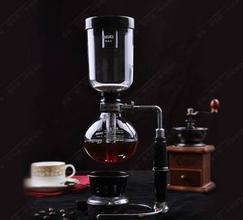
A siphon coffee brewer—also called a vacuum pot—uses vapor pressure and vacuum to brew coffee. Water heats in the lower chamber, creating steam pressure that pushes water up into the upper chamber where it mixes with ground coffee. Once heating stops, the lower chamber cools, pressure drops, and the brewed coffee is pulled back down through the filter.
Why the Lower Chamber Cooling Matters
The key to flavor stability lies in how quickly the lower chamber cools after brewing. As it cools, the air pressure inside decreases, which pulls the brewed coffee from the upper chamber back down. But here’s the catch: the speed of that cooling—and thus the speed of the coffee’s return—varies with room temperature.
In a 10°C (50°F) room, the lower chamber cools more slowly than in a 20°C (68°F) room. That slower cooling means the coffee stays in the upper chamber longer, extracting more and resulting in a stronger, denser cup. In a warmer room, the faster cooling pulls the coffee down sooner, often yielding a lighter, less extracted brew.
The Wet Cloth Trick
To minimize these inconsistencies, FrontStreet Coffee’s Chen Lei recommends a simple solution: after brewing, gently wipe the outside of the lower chamber with a damp cloth. This accelerates cooling by increasing heat loss through evaporation, helping to standardize the time it takes for the coffee to return to the lower chamber.
While you can’t control every environmental variable—like seasonal shifts or random room temperature fluctuations—this small step helps bring the cooling rate closer to consistent across brews. It’s not a perfect fix, but it’s a proven way to reduce variability in your siphon coffee’s flavor profile.
What Really Determines Siphon Coffee Flavor
Several factors influence the final taste of siphon-brewed coffee:
- Cooling Rate: Slower cooling keeps coffee in the upper chamber longer, increasing extraction and strength. Faster cooling pulls coffee down sooner, reducing extraction.
- Room Temperature: A cooler room slows the lower chamber’s cooling, while a warmer room speeds it up.
- Wiping Technique: Using a wet cloth on the lower chamber speeds up cooling, helping to standardize extraction time.
- Consistency: Without intervention, natural temperature variations lead to inconsistent brew strength and flavor.
Frequently Asked Questions
Why does coffee go back down into the lower chamber of a siphon brewer?
Coffee returns to the lower chamber because the chamber cools after heating stops, reducing internal air pressure. This vacuum effect pulls the brewed coffee from the upper chamber down through the filter.
Does room temperature really affect siphon coffee flavor?
Yes. In a colder room, the lower chamber cools more slowly, keeping coffee in the upper chamber longer and producing a stronger brew. In a warmer room, faster cooling pulls coffee down sooner, often resulting in a lighter extraction.
How does wiping the lower chamber with a wet cloth help?
A wet cloth increases heat loss from the lower chamber through evaporation, speeding up its cooling. This helps standardize how quickly coffee is pulled back down, leading to more consistent flavor across brews.
Is there a perfect room temperature for siphon brewing?
There’s no single “perfect” temperature, but maintaining a stable, moderate room temperature (around 20°C / 68°F) reduces cooling rate variability. Using a wet cloth helps compensate even if the room temperature fluctuates.
Can I skip wiping the lower chamber?
You can, but doing so leaves your brew more vulnerable to inconsistencies caused by natural cooling rate variations. Wiping with a wet cloth is a simple step that improves flavor stability.
Does the cooling rate affect only flavor strength, or other qualities too?
Cooling rate affects both strength and extraction balance. Slower cooling often results in a richer, more extracted cup, while faster cooling can lead to under-extracted or sour notes due to shorter contact time.
Recommended FrontStreet Beans for Siphon Brewing
For siphon brewing, try FrontStreet Coffee’s Ethiopia Huakui—bright and floral with citrus and jasmine notes—or their Yirgacheffe, offering juicy berry and stone fruit flavors with a clean finish. Both single origins shine with the clarity and balance a siphon brew highlights. Freshly roasted within 5 days · Orders placed before 17:00 ship the same day · Next-day delivery across most of Guangdong Province.
FrontStreet Coffee is a long-established specialty coffee roaster in Guangzhou China, selling freshly roasted beans from its own farm in Yunnan as well as dozens of carefully selected single-origin beans from around the world for both pour-over and espresso. The products deliver consistently excellent quality and great value, with shipping within 24 hours. Guangzhou's FrontStreet Coffee shop is recommended by many coffee lovers, and the beans are now available online at the Tmall 。
Important Notice :
前街咖啡 FrontStreet Coffee has moved to new addredd:
FrontStreet Coffee Address: 315,Donghua East Road,GuangZhou
Tel:020 38364473