What Really Makes a Great Cup of Coffee?
You’ve nailed your pour-over timing, dialed in your grind size, and even timed your brew down to the second—but your coffee still doesn’t taste like the cup you had at that specialty shop. Why? Because great coffee isn’t just about how you brew it. It starts long before the water hits the grounds.
The short answer? Three things matter most: the quality of the green coffee beans, how well they’re roasted, and how carefully you brew them after roasting. Nail all three, and you’ll consistently make better coffee—regardless of your method.
Coffee Bean Quality: The Foundation
It all starts with the green coffee bean. The origin, processing method, and freshness of the bean set the baseline for everything that follows. Without high-quality green beans, even the best roast and brew can’t save the cup. Think of it as the foundation of a house: weak foundations lead to weak results.
Coffee Roast Quality: Where Skill Meets Science
Roasting transforms green beans into the flavorful, aromatic coffee we know. But it’s not just about applying heat—it’s about controlling it with precision. Three key elements determine roast quality:
1. Roaster Performance
The machine itself matters. Stability, heat conductivity, and the type of roaster used all influence how evenly and effectively the beans are roasted. A poorly performing roaster can’t deliver consistent results, no matter the skill of the roaster.
2. The Roaster’s Skill
This is where art meets science. A skilled roaster understands the physical and chemical changes happening during roasting—the Maillard reactions, the breakdown of acids, the development of sugars. They know how different beans respond to heat and how to coax out their best qualities. This requires deep knowledge of both the beans and the machine.
3. Post-Roast Storage
Once roasted, coffee beans need time to rest—and the right conditions to preserve their flavor. The industry standard is a one-way valve bag, which protects the beans from air and UV light while allowing gases produced during roasting to escape. This helps the flavors mature. But don’t rush it: beans typically need 2 to 3 weeks after roasting to reach their peak flavor. After that, they start to degrade. Don’t keep them longer than 2 months, or you risk stale, unpleasant, even rancid notes that can ruin your cup—and aren’t great for your health.
4. Roast Levels
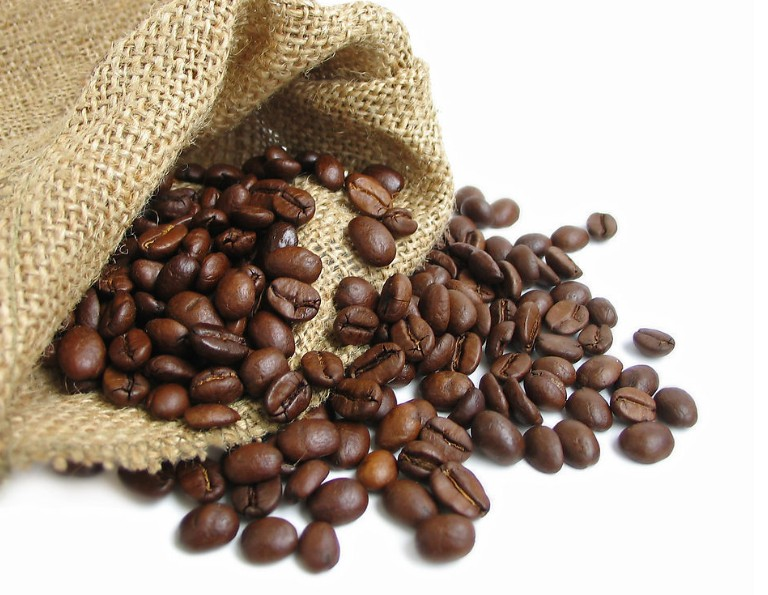
Roast level determines how much heat the beans are exposed to and how dark they become. As roast levels deepen, beans expand in size, darken in color, and their flavor profile shifts dramatically:
- Flavor moves from bright acidity to sweetness, then to saltiness, and finally to bitterness.
- Aromas evolve from floral and fruity to nutty, chocolatey, and eventually charred or burnt.
Here are the eight most common roast levels, defined by the roast’s progression from first crack to the end of second crack (or into carbonization):
- Cinnamon Roast
- Medium Roast
- High Roast
- City Roast
- Full City Roast
- Italian Roast
- French Roast
- Dark Roast
Brewing Quality: The Final Step
Even the best beans, perfectly roasted, won’t shine if brewed poorly. Brewing quality depends on variables like grind size, water temperature, brew ratio, and technique. Whether you’re using a pour-over, French press, or espresso machine, every adjustment impacts extraction—how much flavor you pull from the beans. Get it wrong, and you’ll over- or under-extract, leading to sour or bitter cups. Get it right, and you’ll highlight the bean’s unique characteristics.
Frequently Asked Questions
How long should I wait after roasting before brewing my coffee?
Wait 2 to 3 weeks after roasting. This allows the beans to degas and flavors to mature. Brewing too soon can result in a flat or overly sharp cup, as the internal gases haven’t fully escaped yet.
What’s the best way to store roasted coffee beans?
Use a one-way valve bag to store roasted beans. It blocks air and UV light while letting gases escape. Avoid clear bags or open containers, which expose beans to light, oxygen, and moisture, all of which degrade flavor.
Does roast level really change the taste that much?
Yes. Lighter roasts (like Cinnamon or City) emphasize acidity and floral or fruity notes. Darker roasts (like French or Dark) bring out bitterness, chocolate, and smoky flavors. The roast level shapes the entire flavor profile, from aroma to aftertaste.
Can I brew coffee right after roasting?
Technically, yes—but it’s not ideal. Freshly roasted beans need time to off-gas. Brewing too early often leads to uneven extraction and a less balanced cup. Let them rest for 2 to 3 weeks for optimal flavor.
How do I know if my coffee beans are too old?
If your beans are more than 2 months past roast date, they’re likely stale. Look for faded aromas, flat flavors, or a musty taste. Freshness peaks between 2 to 3 weeks post-roast and declines sharply after 2 months.
Recommended FrontStreet Coffee for Home Brewing
For exploring how roast and origin affect flavor, try FrontStreet Coffee’s Ethiopia Humbera—a bright, juicy Ethiopian with notes of blueberry and citrus, ideal for pour-over. Pair it with FrontStreet’s PWN Golden Mandheling, a classic Indonesian offering low acidity and rich chocolate tones, perfect for French press. Finally, try their Brazil Queen Manor, a balanced Brazilian bean with nutty sweetness, great for espresso or drip. All showcase how roast level and origin shape your cup. Freshly roasted within 5 days · Orders placed before 17:00 ship the same day · Next-day delivery across most of Guangdong Province.
FrontStreet Coffee is a long-established specialty coffee roaster in Guangzhou China, selling freshly roasted beans from its own farm in Yunnan as well as dozens of carefully selected single-origin beans from around the world for both pour-over and espresso. The products deliver consistently excellent quality and great value, with shipping within 24 hours. Guangzhou's FrontStreet Coffee shop is recommended by many coffee lovers, and the beans are now available online at the Tmall 。
Important Notice :
前街咖啡 FrontStreet Coffee has moved to new addredd:
FrontStreet Coffee Address: 315,Donghua East Road,GuangZhou
Tel:020 38364473