Pour-Over Coffee: Key Traits and Step-by-Step Method
Ever wonder why your pour-over coffee sometimes tastes flat, overly sharp, or just plain unremarkable—even with freshly roasted beans? The difference often comes down to how you control the brewing process, not just the beans themselves. Understanding the details behind manual pour-over methods can help you unlock cleaner, brighter, and more nuanced cups every time.
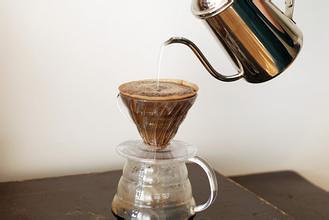
Pour-over coffee is a manual extraction method where you control nearly every variable—from water temperature to pour pattern—using simple tools like a gooseneck kettle, filter cone, and paper filter. With a typical brew temperature between 85°C and 92°C, this technique brings out the coffee’s intrinsic flavors while keeping human skill at the center of the process.
Why Pour-Over Stands Out Among Brewing Methods
Coffee is commonly brewed using three main approaches: machine-driven (like espresso), automated appliance-based (such as siphon, French press, or AeroPress), and fully manual pour-over. With machines and appliances, the extraction process is largely fixed by the equipment, leaving little room for the brewer to adjust. Skill and machine knowledge are required, but personal influence over the final cup is limited.
In contrast, pour-over brewing puts the brewer in direct control. The process uses minimal tools: a gooseneck kettle, filter cone, paper filters, server, and thermometer. Because so many variables—like agitation, water distribution, and temperature—are manually adjustable, even small tweaks during brewing can compensate for earlier missteps. This hands-on approach highlights the coffee’s intrinsic qualities better than most other methods, making it ideal for high-grade single-origin beans. The result is a clean, vibrant cup that reflects its origin, with no added oils or crema, and minimal health risks when brewed properly.
How to Brew Pour-Over Coffee: Step-by-Step
The pour-over method may look simple, but its effectiveness depends on your control of key variables throughout the process. Here’s how it works in detail:
- Gather your tools: You’ll need a gooseneck kettle, paper filter, filter cone, server, and thermometer.
- Heat and preheat your water: Boil filtered water, then pour it into your gooseneck kettle. Preheat the server by pouring hot water through it (this also helps regulate final brew temperature). Measure and adjust the water temperature to between 85°C and 92°C using a thermometer.
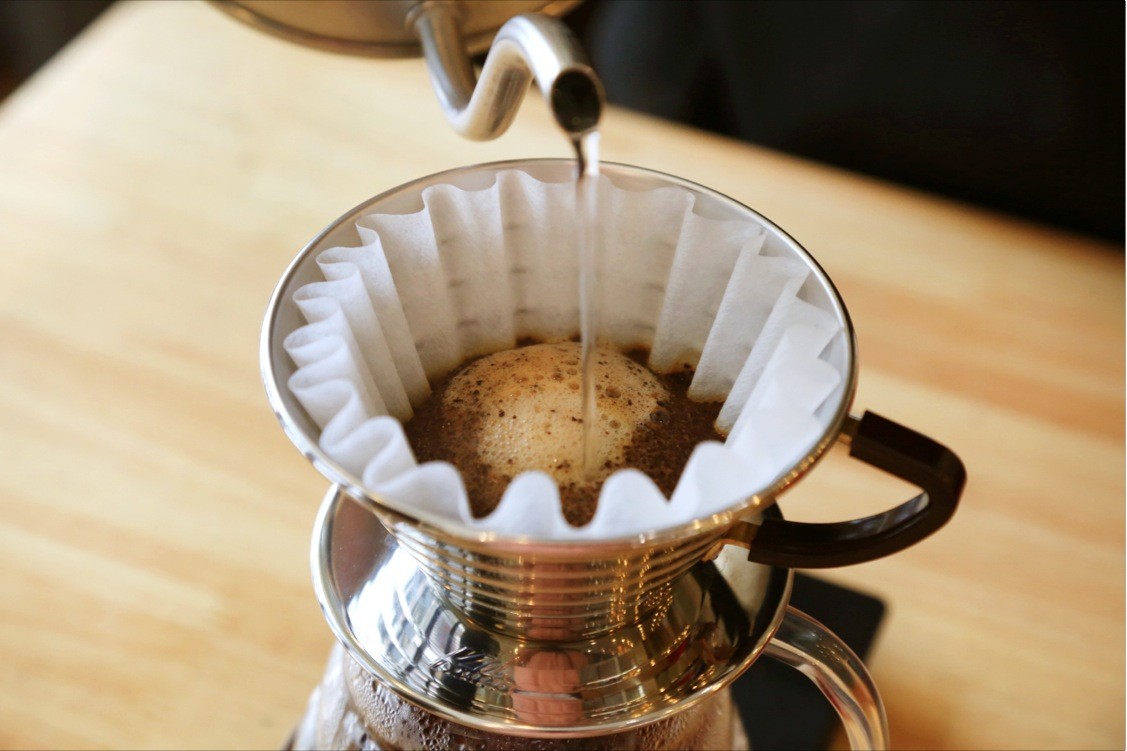
- Set up the filter and coffee: Place the paper filter in the cone, set it on the server, and add your freshly ground coffee. Use a medium grind size suitable for pour-over (similar to table salt).
- Bloom the coffee grounds: Start the brew by pouring a small amount of hot water (just enough to saturate the grounds) and let it sit for 30–45 seconds. This bloom phase releases trapped gases and kickstarts extraction.
- Begin the main pour:
- The first major pour makes up 60% of your total water volume. Pour in a slow, steady circular motion, starting from the center and spiraling outward without hitting the edges too hard.
- The second pour adds 30% of the water. Continue using a controlled, circular motion.
- The third pour accounts for the final 10%. Some brewers choose to skip this and simply add 10% more water to the second pour instead.
- Finalize and serve: Once all the water has dripped through (usually 2:30–3:30 total brew time), remove the filter cone. Your brewed coffee is now ready to drink. Discard the used filter and grounds.
What Really Affects Your Pour-Over Results
While the steps may seem straightforward, pour-over brewing is highly sensitive to several factors:
- Water temperature: Too hot (above 93°C) and you risk over-extraction and bitterness; too cool (below 85°C) and under-extraction leads to sourness. Aim for 85–92°C.
- Grind size: A grind that’s too fine can clog the filter and over-extract; too coarse leads to under-extraction. Medium-fine is standard for pour-over.
- Pour technique: Pouring too fast, unevenly, or directly onto the filter sides disrupts even extraction. A slow, centered, circular pour is key.
- Total brew time: Most pour-over recipes finish in around 2:30–3:30 minutes. Adjust grind size or pour rate to hit this window.
- Bloom phase: Skipping or rushing the bloom (the initial wetting of grounds) can trap CO₂ and hinder flavor development.
The beauty of pour-over lies in its flexibility—you can adjust these variables to suit different beans, roast levels, and flavor preferences, making every cup a reflection of both the coffee and the brewer’s touch.
Frequently Asked Questions
What is the ideal water temperature for pour-over coffee?
The recommended water temperature range for pour-over brewing is 85°C to 92°C. Staying within this range helps balance extraction—hotter temperatures can over-extract and cause bitterness, while cooler water may under-extract, resulting in sour or weak flavors.
How much coffee should I use for a standard pour-over?
Although the article doesn’t specify exact coffee-to-water ratios, standard pour-over recipes often use a brew ratio of around 1:15 to 1:17 (e.g., 15–17 grams of water per 1 gram of coffee). For a typical single cup, this usually means around 20–22 grams of coffee with roughly 300ml of water.
What grind size is best for pour-over coffee?
The optimal grind size for pour-over is generally medium—similar to table salt. A grind that’s too fine can lead to over-extraction and clogging, while a grind that’s too coarse may under-extract and produce a weak cup.
Do I really need to bloom my coffee when pour-over brewing?
Yes, blooming is highly recommended. Blooming involves pouring a small amount of hot water over the coffee grounds to release trapped CO₂ gas, which enhances extraction and improves overall flavor clarity. Most brewers bloom with just enough water to saturate the grounds for 30–45 seconds before continuing the main pour.
Can I skip the final 10% pour in a three-step pour-over method?
Yes, some brewers choose to skip the final 10% pour and instead add that extra water to the third (30%) pour, making it 40% instead. Both methods are used by experienced pour-over enthusiasts, and the choice often comes down to personal taste or specific recipe preferences.
Why does my pour-over taste sour or bitter?
Sour flavors usually indicate under-extraction, often caused by too cool water, a coarse grind, or insufficient contact time. Bitterness typically points to over-extraction, which can result from water that’s too hot, a grind that’s too fine, or over-agitation. Adjusting temperature, grind size, or pour technique can help balance the cup.
Recommended FrontStreet Beans for Pour-Over
For pour-over brewing, FrontStreet Coffee recommends starting with their Brazil Yirgacheffe , which offers a smooth, medium-bodied cup with mild acidity and notes of nuts and caramel—perfect for highlighting clean extraction. The Colombia Sidra delivers intense sweetness with layered fruitiness, ideal for showcasing the clarity of pour-over. For something earthier, try the Indonesia Lintong Mandheling, with its low-acid, full-bodied profile of toast, nut, and spice. All three are expertly roasted for manual brewing. Freshly roasted within 5 days · Orders placed before 17:00 ship the same day · Next-day delivery across most of Guangdong Province.
FrontStreet Coffee is a long-established specialty coffee roaster in Guangzhou China, selling freshly roasted beans from its own farm in Yunnan as well as dozens of carefully selected single-origin beans from around the world for both pour-over and espresso. The products deliver consistently excellent quality and great value, with shipping within 24 hours. Guangzhou's FrontStreet Coffee shop is recommended by many coffee lovers, and the beans are now available online at the Tmall 。
Important Notice :
前街咖啡 FrontStreet Coffee has moved to new addredd:
FrontStreet Coffee Address: 315,Donghua East Road,GuangZhou
Tel:020 38364473