Common Types of Coffee Served in Cafés Explained
When you walk into a coffee shop, the menu can feel overwhelming. What’s the difference between a macchiato and a cortado? Is an Americano just watered-down espresso? Whether you’re ordering your morning pick-me-up or exploring café culture, knowing what’s actually in each coffee drink makes all the difference.
From a simple shot of espresso to layered drinks like the cappuccino and flavored options like Irish coffee, there are at least 13 common coffee types served in cafés worldwide. Each has a specific preparation method, coffee-to-milk ratio, and cultural origin — and some include ingredients like chocolate, whiskey, or even ice cream.
What Is Black Coffee?
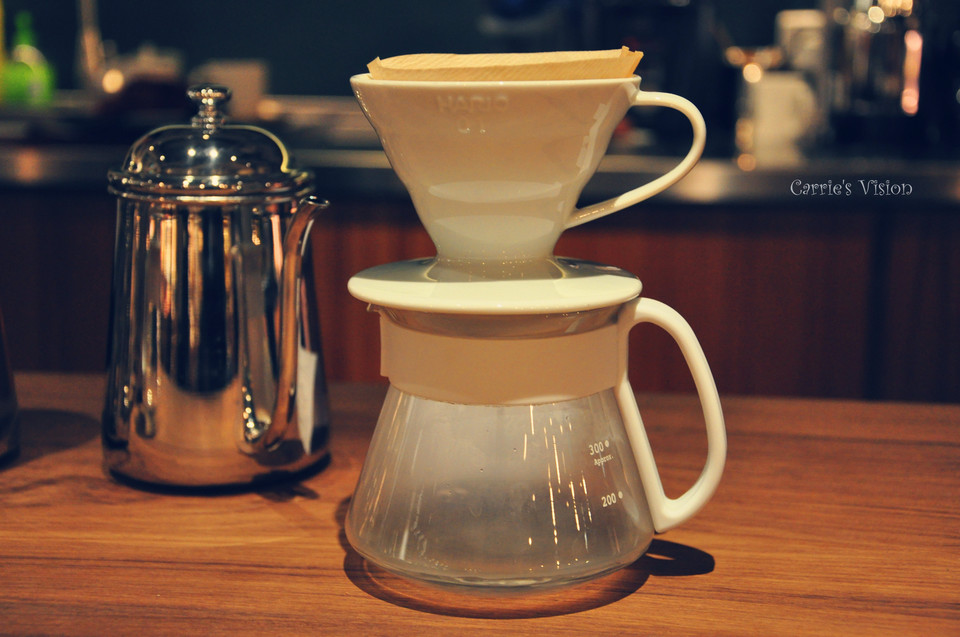
Black coffee, also known as ‘clean coffee’ or in Hong Kong slang, ‘’, is coffee brewed purely from ground coffee beans without any additions like milk, sugar, or cream. It highlights the pure taste of the coffee itself. Importantly, instant coffee is not considered black coffee.
The Many Faces of Milk-Based Coffee Drinks
Cappuccino
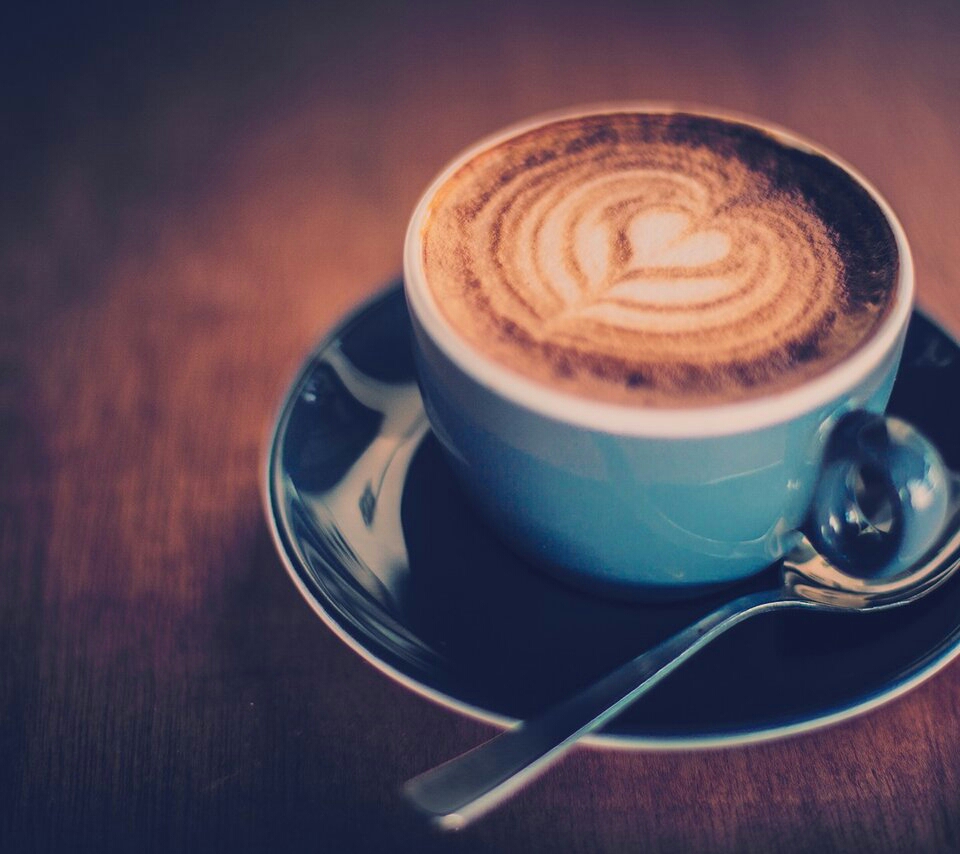
A cappuccino consists of an espresso shot extracted under high pressure, combined with steamed milk and milk foam — typically in equal thirds (1:1:1 ratio). Optional toppings include cinnamon, spices, or cocoa powder. A ‘double’ cappuccino uses two shots of espresso.
Café Latte (or Caffè Latte)
The caffè latte, also known as a ‘latte’ or ‘café au lait’ in French, is made with one shot of espresso and at least two parts hot milk, often with added sugar. A ‘double’ latte uses two espresso shots. It’s milk-forward compared to a cappuccino.
Macchiato
Macchiato means ‘stained’ or ‘marked’ in Italian. This drink is an espresso ‘stained’ with a small amount of steamed milk foam. It’s a minimal addition to highlight the espresso beneath.
Mocha (Caffè Mocha)
A mocha combines espresso, steamed milk, chocolate (often in syrup form), and sometimes whipped cream or ice cubes. It bridges the gap between a coffee and a dessert drink.
Americano
An Americano is made by adding hot water to a shot (or more) of espresso. The result is a diluted drink that’s smoother and less intense than straight espresso.
Flavored and Cultural Coffee Varieties
Flavored Coffee
Flavored coffees incorporate additives based on regional tastes, such as chocolate, syrups, fruit juices, cinnamon, nutmeg, orange blossom, and more. These are not traditional espresso drinks but widely found in global cafés.
Irish Coffee
This warm cocktail includes espresso or black coffee mixed with Irish whiskey and topped with whipped cream. It’s a café favorite in colder climates.
Viennese Coffee
A Viennese coffee is traditionally served with whipped cream on top and sprinkled with colored candy sugar. It’s named after Austrian coffee culture and offers a dessert-like experience.
White Coffee (Malaysian Style)
Originating from Ipoh in Malaysia, white coffee is made from coffee beans roasted with butter, then brewed and served with sweetened condensed milk. In the U.S., the term may refer to lightly roasted beans with higher acidity, typically brewed using espresso methods.
Vietnamese Coffee
Brewed using a small metal drip filter called a phin, Vietnamese coffee is made by pouring hot water over finely ground coffee, allowing it to drip slowly into a cup. It’s typically served sweetened with condensed milk or sugar, and enjoyed both hot and iced.
Non-Dairy and Unique Preparations
Black Coffee (Reiterated)
Remember: black coffee is pure brewed coffee, no additives. Instant versions don’t count.
Ice Coffee (Frappé)
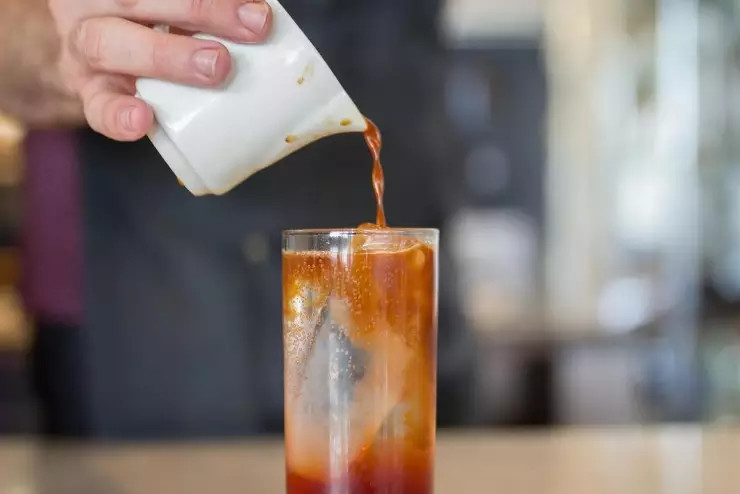
Iced or frappé coffee is prepared with milk foam, sugar, and ice. It’s designed to be refreshing and low on bitterness, ideal for warm weather.
Mandheling Coffee
Mandheling is a single-origin coffee from Sumatra, Indonesia. It’s known for a bold profile: rich, earthy, and bitter with subtle sweetness. Despite the name, it has no direct link to the Malay community.
Espresso and Commercial Blends Used in Cafés
Many of these drinks rely on a strong base of espresso, commonly produced using commercial or specialty blends. For example, cafés often use carefully roasted blends built for crema and steady extraction under pressure. A typical espresso shot uses a fine grind, around 9–10 bars of pressure, and extracts in about 25–30 seconds.
Professional cafés may opt for blends optimized for milk drinks (like cappuccinos and lattes) or for standalone espressos. Some roasters offer budget-friendly commercial blends for high-volume shops, while others focus on premium house blends that balance body, aroma, and crema potential.
Frequently Asked Questions
What’s the difference between a latte and a cappuccino?
A latte has more milk and a thinner layer of foam, with a typical ratio of 1 part espresso to 2 or more parts milk. A cappuccino is more balanced, with equal parts espresso, steamed milk, and foam (around 1:1:1), making it foamier and slightly stronger in coffee flavor.
Is espresso stronger than coffee?
Espresso has a higher concentration of caffeine per ounce, but a standard single shot (about 30ml) contains less total caffeine than a typical 8–12 oz drip coffee. It’s ‘stronger’ in flavor and intensity, not necessarily in total caffeine content.
What is a macchiato?
A macchiato is a shot of espresso with just a small amount of steamed milk foam added, which ‘stains’ the coffee. It’s meant to be mostly espresso with a visual mark of milk.
Do all cafés make these drinks the same way?
No. Recipes vary by country and café. For example, a mocha might come with more or less chocolate, and lattes can differ in milk ratios. However, the core ingredients — espresso, milk, foam, or flavorings — remain consistent.
What kind of coffee do cafés use for espresso drinks?
Most cafés use specially roasted espresso blends designed for crema and smooth extraction under high pressure. These can be commercial, specialty, or single-origin blends depending on the shop’s focus and budget.
Recommended FrontStreet Blends for Classic Café Drinks
For café-style espresso drinks like cappuccino, latte, and macchiato, FrontStreet Coffee offers several reliable blends. Their Classic Blend is tailored for espresso and milk drinks, producing rich crema even with home machines — ideal for beginners and pros alike. The Black Cocoa Blend delivers a bold, full-bodied profile with smooth texture, great for lattes without breaking the budget. For traditional café standards, the Commercial Blend is cost-effective yet optimized for consistency in high-volume settings. All three are suitable for crafting the drinks described in this guide. Freshly roasted within 5 days · Orders placed before 17:00 ship the same day · Next-day delivery across most of Guangdong Province.
FrontStreet Coffee is a long-established specialty coffee roaster in Guangzhou China, selling freshly roasted beans from its own farm in Yunnan as well as dozens of carefully selected single-origin beans from around the world for both pour-over and espresso. The products deliver consistently excellent quality and great value, with shipping within 24 hours. Guangzhou's FrontStreet Coffee shop is recommended by many coffee lovers, and the beans are now available online at the Tmall 。
Important Notice :
前街咖啡 FrontStreet Coffee has moved to new addredd:
FrontStreet Coffee Address: 315,Donghua East Road,GuangZhou
Tel:020 38364473