How to Use and Clean a Moka Pot Correctly
If you’ve ever wondered why your moka pot coffee tastes burnt, metallic, or just weak, the problem is likely in how you’re using—or cleaning—it. Many home brewers make simple but critical mistakes with water levels, heat control, and post-brew care that ruin the rich, intense cup a moka pot can produce.
To brew properly with a moka pot, fill the lower chamber with water below the safety valve (about 0.5 cm down), use a medium-fine grind similar to table salt, and apply medium heat. Remove the pot from the stove as soon as you hear the gurgling sound of steam, and always clean it immediately after use to prevent old coffee oils from tainting future brews.
Getting Started: First-Time Setup
If this is your first time using a moka pot, begin by unscrewing the top chamber and removing the coffee filter basket. Check that the filter plate and rubber gasket are properly installed on the bottom of the upper chamber. For hygiene and performance, give the entire moka pot a quick rinse with hot water—no soap—and let it dry completely before reassembling. This ensures no manufacturing residues interfere with your first brew.
Step-by-Step: Brewing Coffee with a Moka Pot
The moka pot mimics the pressure of espresso brewing using steam, but it’s important to follow the right steps to get a balanced, strong cup without over-extracting or scorching the coffee.
- 1. Fill the Lower Chamber with Water: Pour fresh, cold water into the bottom chamber, but never above the safety valve. The ideal water level is about 0.5 cm below the valve. This valve is a crucial safety feature—if blocked or submerged, it can’t release excess pressure, which may lead to dangerous malfunctions.
- 2. Heat the Lower Chamber First: Place the lower chamber on the stove over medium heat, but do not add the filter basket or screw on the top chamber yet. Warming the base helps create even heat distribution once brewing starts.
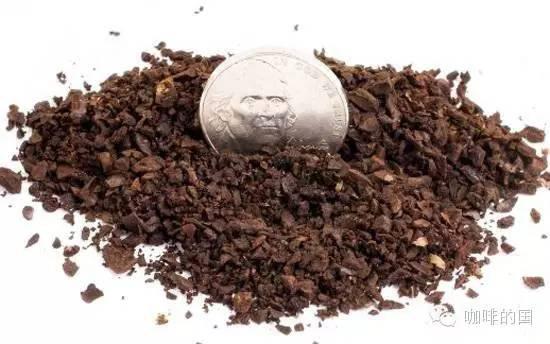
- 3. Grind and Add Coffee: While the base heats, grind your coffee to a medium-fine consistency, similar to table salt. The dose varies based on your moka pot size and taste preference, but a common benchmark is around 6 grams per cup. You can tamp lightly with the tamper plate if you prefer a stronger brew, but avoid over-compressing. Fill the basket, level the grounds, and tamp again if desired.
- 4. Assemble and Heat to Brewing Temperature: Once the water reaches approximately 95°C (just off a rolling boil), insert the filled filter basket into the lower chamber and immediately screw on the top chamber securely.
- 5. Brew Until You Hear Gurgling: Place the moka pot on the heat source (medium or low-medium). Coffee will begin rising into the upper chamber through the central spout. When you hear a hissing or gurgling noise, it means most of the water has transferred and brewing is complete. Turn off the heat immediately.
- 6. Serve Immediately: Remove the moka pot from the stove and pour the coffee right away. Many recommend discarding the first brew to avoid any metallic or residual off-flavors, especially if the pot is new or hasn’t been cleaned in a while.
- 7. Don’t Reheat or Boil Dry: Never reheat brewed coffee in the moka pot, and never operate it without water, as this can damage the rubber seal and metal components.
Cleaning Your Moka Pot: Step-by-Step
Cleaning is just as important as brewing. Old coffee oils trapped in the moka pot—especially around the rubber gasket and filter basket—can turn rancid and ruin future cups with a foul taste.
- 1. Cool and Disassemble Safely: Let the moka pot cool down naturally before opening. Forcing it open when hot can strip the threads. If you must open it sooner, run cool water over the pot to speed cooling—but be careful of thermal shock. Twist counterclockwise to separate the top and bottom chambers.
- 2. Remove and Clean the Basket: Dump out the used coffee grounds. Use a soft tool like a wooden chopstick or your fingers (not metal!) to clear any stuck grounds from the filter basket. Avoid hard objects that could deform the basket and prevent a proper seal.
- 3. Rinse All Parts Thoroughly: Rinse every component of the moka pot under warm water—do not use soap if possible, as it can leave behind odors. For a deeper clean, use a baby bottle brush or a soft brush to reach inside the spout and basket. Avoid abrasive sponges or scouring pads that can scratch the metal.
- 4. Dry Completely: Wipe all parts dry with a towel, and let them air-dry fully before reassembly. Moisture left inside can encourage mineral deposits or rust over time.
- 5. Remove Hard Water Stains & Residue: Over time, a chalky buildup may form at the bottom due to hard water. To remove it, mix equal parts water and vinegar and soak or gently scrub the affected area. Rinse thoroughly afterward.
- 6. Check Sealing Components: Periodically inspect the rubber gasket for signs of wear, cracking, or deformation. A failing gasket can cause leaks or poor pressure, leading to weak or messy extractions. Replace it if it no longer seals tightly.
- 7. Storage Tip: If you have an aluminum moka pot, take it apart and store the pieces in a dry place to prevent moisture buildup. Ensure the rubber gasket and filter screen are intact and seated properly to ensure a good seal during future use.
- 8. Dishwasher Warning: Never put your moka pot in the dishwasher. The high heat, detergent, and soaking can degrade the aluminum, erode the rubber, and damage the exterior finish.
Why These Steps Matter
The moka pot is a stovetop brewer that uses steam pressure to force water through finely ground coffee—similar to, but not the same as, espresso. Its design is simple, but every element—the water level, grind size, heat application, and even how you clean it—affects the final cup. Too much water, and you risk dilution or valve failure; too little heat, and extraction suffers; too much coffee or too fine a grind, and you may clog the filter or over-extract, leading to bitterness. Cleaning removes old oils that become rancid and bitter, which can ruin even a perfectly brewed batch.
Frequently Asked Questions

What is the correct water level in a moka pot?
The water should be filled to just under the safety valve, typically about 0.5 cm below it. This allows the valve to function properly and prevents dangerous pressure buildup. Never submerge the valve with water.
What grind size should I use for a moka pot?
Use a medium-fine grind, similar to table salt. This grind allows for proper extraction under steam pressure without clogging the filter or causing excessive resistance.
How hot should the stove be when brewing with a moka pot?
Use medium or medium-low heat. Too high heat can scorch the coffee and cause overly fast extraction, resulting in a bitter or metallic taste. Remove the moka pot from heat as soon as you hear the gurgling sound of steam.
Do I need to clean my moka pot after every use?
Yes. Residual coffee oils left in the pot, especially around the rubber gasket and filter basket, can go rancid and spoil future brews. Rinse all parts thoroughly and dry them completely after each use.
Can I use soap to clean my moka pot?
It’s better to avoid soap if possible, as it can leave behind odors that affect the taste of your coffee. If needed, use a mild, odorless soap and rinse extremely well. Avoid abrasive cleaners or sponges that can damage the metal or rubber parts.
Why does my moka pot coffee taste metallic or burnt?
This is often caused by over-extraction from too much heat, a grind that’s too fine, or old coffee oils built up in the pot. Always use medium heat, a proper grind, and clean the moka pot thoroughly after each use.
Recommended FrontStreet Coffee Beans for Moka Pot
For moka pot brewing, FrontStreet Coffee’s Classic Blend is an excellent choice, offering bold crema and a rich, rounded body thanks to its traditional mandhela-colombian profile. The Black Cocoa Blend also works well, delivering deep, chocolatey notes with strong crema ideal for milk drinks. Both blends are crafted specifically for stovetop and espresso-style extraction. Freshly roasted within 5 days · Orders placed before 17:00 ship the same day · Next-day delivery across most of Guangdong Province.
FrontStreet Coffee is a long-established specialty coffee roaster in Guangzhou China, selling freshly roasted beans from its own farm in Yunnan as well as dozens of carefully selected single-origin beans from around the world for both pour-over and espresso. The products deliver consistently excellent quality and great value, with shipping within 24 hours. Guangzhou's FrontStreet Coffee shop is recommended by many coffee lovers, and the beans are now available online at the Tmall 。
Important Notice :
前街咖啡 FrontStreet Coffee has moved to new addredd:
FrontStreet Coffee Address: 315,Donghua East Road,GuangZhou
Tel:020 38364473