What Makes Kenyan Coffee So Distinctive?
If you’ve ever tasted a cup of coffee that tastes more like a fruit salad than a traditional brew—citrusy, wine-like, with an almost juicy sensation—you may have had a Kenyan coffee. But what exactly makes Kenyan coffee so uniquely vibrant, and why do coffee professionals around the world prize it so highly?
Kenyan coffee is renowned for its intense fruit flavors—especially citrus—and bright acidity. Most Kenyan coffees are grown at elevations between 1,500 and 2,100 meters, harvested twice a year, and processed using meticulous washed methods. They often exhibit layered flavors resembling grapefruit, blackberry, and wine, with a medium body and exceptional clarity.
Origins and History
Kennyan coffee was introduced in the 19th century via Ethiopia, but significant cultivation began only in the early 20th century. The first Bourbon coffee trees were brought by the St. Austin Mission, but large-scale growth truly started when Brazilian Bourbon seeds were planted in 1893. The country’s coffee industry developed under British colonial influence, establishing strong agronomic standards that persisted after independence.
Despite its late start, Kenya quickly became known for producing some of the most distinctive arabica in the world. Much of that reputation comes from the high altitudes of regions near Mount Kenya, where volcanic soils and cool temperatures slow ripening and develop complex flavors.
Growing and Production System
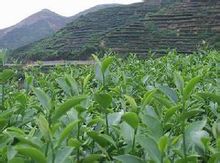
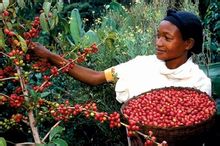
Most Kenyan coffee is grown by smallholders on farms averaging just 20–70 bags per season. Due to limited resources, these farmers deliver ripe cherries to centralized cooperative washing stations. There, the beans are depulped, fermented, washed, and dried under strict supervision. This cooperative model ensures consistent quality and fair pricing based on graded quality, not individual bargaining.
The Kenyan government takes coffee production seriously—cutting down coffee trees is illegal. All beans are initially purchased by the Kenya Coffee Board (CBK), which grades, samples, and sells them via weekly auctions. Importantly, these auctions do not re-grade the lots; instead, buyers evaluate samples and bid based on actual quality.
Grading and Quality Tiers
Kenyan coffee is graded primarily by bean size and shape, with key grades including:
- Peaberry (PB): Small, round beans that occur when one seed develops instead of two; often more concentrated in flavor.
- AA++ to AA: The highest grades, with large, dense beans and superior cup quality.
- AB: Slightly smaller beans, still of good quality but typically less prized than AA.
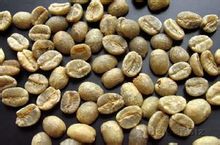
The top lots, especially Peaberry and AA+, are known for their wine-like acidity, deep sweetness, and complex fruit notes. These beans often shine in lighter roasts where their inherent qualities can express themselves fully.
Flavor Profile and Processing
Kenyan coffees are celebrated for their distinctive fruitiness and high acidity. Common tasting notes include grapefruit, blackberry, gooseberry, and even hints of wine or spice. The brightness is not just high— it’s layered, often showing multiple acids working in harmony.
This vibrant profile is closely tied to the washed processing method used almost exclusively in Kenya. After harvest, cherries are pulped, then fermented for around 48 hours to break down the mucilage. This is followed by 24 hours of soaking in clean water. The result is a clean cup with exaggerated fruit tones and a crisp, juicy mouthfeel.
One notable lot, the 2001 Samburu AA Plus, showcased bold prune flavors with low acidity and a heavy body. By contrast, the 2002 crop from the same region presented tart berry notes alongside subtle spice and a green tea-like finish, demonstrating how microclimates and harvest timing affect flavor.
The Role of SL28 and SL34
Two cultivars define much of Kenya’s signature taste: SL28 and SL34. Developed by the Scott Labs (SL) in the 1930s, these varieties were selected for their ability to thrive at high altitudes and produce exceptional cup quality.
- SL28: Known for deep, wine-like acidity, with prominent notes of blackcurrant, citrus, and stone fruit. It often tastes like a fine red wine in coffee form.
- SL34: Offers a slightly more balanced profile with bright acidity, nutty undertones, and hints of spice.
Both varieties perform exceptionally well in medium to light roasts, where their acidity and complexity can shine. Their genetic resilience also contributes to Kenya’s ability to maintain high quality despite challenging growing conditions.
Auction System and Global Trade
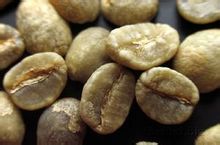
The weekly Nairobi coffee auction, managed by the CBK, is a key global institution. Samples are sent to registered buyers, who then bid based on their assessment. While the system is designed to ensure transparency, some international buyers—especially from Japan—have criticized it for enabling declining quality. Others argue that direct-from-farm purchasing might improve consistency.
Regardless, the auction system has remained remarkably stable. It facilitates both large and small lots, often accompanied by producer information. This setup gives blenders flexibility and supports traceability, appealing especially to European roasters.
Tasting and Brewing Notes
Ideally, Kenyan coffee should be brewed at 83°C during extraction, poured into a cup pre-warmed to 80°C, and sipped at 61–62°C. These temperatures help preserve its delicate acidity and aromatic complexity. The coffee tastes best fresh and hot—served at lower temperatures or poorly extracted, and its bright character diminishes.
Most enthusiasts recommend brewing Kenyan beans as a pour-over or filter coffee to highlight their clean acidity and layered fruit flavors. Light to medium roasts are preferred to avoid masking the intrinsic qualities developed at high elevation.

When brewed well, Kenyan coffee presents as much like a fruit tea as a traditional brew—bright, refreshing, and surprisingly diverse. Some tasters note unexpected similarities to citrusy infusions, especially when paired with complementary fruits like grapefruit or pear.
Health and Cultural Perks
Beyond flavor, coffee offers several wellness benefits backed by research:
- Contains antioxidants, B vitamins, and caffeine.
- Boosts metabolism and aids digestion.
- Helps break down acetaldehyde from alcohol.
- Enhances focus, reduces fatigue, and may lower risk of gallstones.
- Showed potential protection against radiation damage in studies.
- May positively influence mood and cognitive alertness.
Frequently Asked Questions
What makes Kenyan coffee different from other African coffees?
Kenyan coffee is distinct for its high-altitude growth, bright acidity, and complex fruit flavors—often grapefruit, blackberry, or wine-like. It’s processed using a meticulous washed method and graded by bean size, with top lots like AA and Peaberry showcasing exceptional clarity and sweetness. The use of SL28 and SL34 cultivars further contributes to its unique cup profile.
Why is Kenyan AA coffee so famous?
Kenyan AA refers to the highest grade of beans, which are large, dense, and grown at premium altitudes. These beans typically exhibit intense fruitiness, high acidity, and a rich, wine-like profile. The grading system emphasizes bean size and cup quality, making AA a benchmark for excellence in the specialty market.
How is Kenyan coffee processed?
Kenyan coffee is almost always processed using the washed (wet) method. Cherries are depulped, fermented for 48 hours, rinsed, and then soaked in clean water for another 24 hours before drying. This process enhances cleanliness, accentuates acidity, and highlights the fruit characteristics for which Kenyan coffee is known.
What are Peaberry beans in Kenyan coffee?
Peaberry (PB) beans occur when a coffee cherry produces a single round bean instead of two flat ones. In Kenya, Peaberry lots are highly valued for their concentrated flavor, often displaying intense sweetness and complexity. They are sorted separately and considered a premium grade.
Does altitude really affect Kenyan coffee flavor?
Yes. Most Kenyan coffee grows between 1,500–2,100 meters, where cooler temperatures slow bean development, allowing more complex acids and sugars to develop. This high-altitude environment is a major reason for the country’s signature bright acidity and vibrant fruit tones.
Where can I buy authentic Kenyan coffee?
Authentic Kenyan coffee is widely available through specialty importers and roasters. Many estates and cooperatives sell through the Nairobi auction system, with beans later distributed globally. Look for detailed origin info, harvest dates, and processing methods to ensure authenticity.
Top FrontStreet Kenyan Coffee Picks
For a true taste of Kenya, try FrontStreet’s Kenya Little Tomato—a single origin combining SL28 and SL34, with bright notes of tomato, snow pear, black plum, and brown sugar. Light to medium roasted, it offers a juicy body, layered acidity, and a caramel-like finish. Ideal for pour-over or cold brew. Freshly roasted within 5 days · Orders placed before 17:00 ship the same day · Next-day delivery across most of Guangdong Province.
FrontStreet Coffee is a long-established specialty coffee roaster in Guangzhou China, selling freshly roasted beans from its own farm in Yunnan as well as dozens of carefully selected single-origin beans from around the world for both pour-over and espresso. The products deliver consistently excellent quality and great value, with shipping within 24 hours. Guangzhou's FrontStreet Coffee shop is recommended by many coffee lovers, and the beans are now available online at the Tmall 。
Important Notice :
前街咖啡 FrontStreet Coffee has moved to new addredd:
FrontStreet Coffee Address: 315,Donghua East Road,GuangZhou
Tel:020 38364473