How to Make Japanese-Style Green Tea Coffee
If you’ve ever craved a coffee that feels like walking through a bamboo forest after rain — aromatic, calming, yet rich — you might be looking for green tea coffee. This isn’t just a random latte variation; it’s a cultural hybrid born in Japan during the Meiji era, mixing the bold depth of espresso with the fresh bitterness of powdered green tea. But what exactly goes into making it, and why does it work so well?
To make traditional green tea coffee, you need a shot of strong brewed coffee, a spoonful of fresh whipped cream, and a sprinkle of fine Japanese green tea powder — typically matcha-style. That’s it. The entire preparation takes under five minutes and delivers a layered flavor experience unique to East Asian palate traditions.
What Is Green Tea Coffee?
Green tea coffee is a Japanese-style beverage where a standard cup of brewed coffee — usually espresso-strength — is topped with a dollop of fresh cream and finished with a light dusting of green tea powder. It’s a drink that blends the deep, sometimes sweet richness of coffee with the refreshing, slightly astringent taste of green tea. The result is a beverage that balances bitter, creamy, and umami tones in one sip.
Though the presentation may resemble a trendy café drink, this recipe has roots going back to 1877, when coffee was first formally introduced to Japan as part of the cultural shifts during the Meiji Restoration. At the time, coffee symbolized European sophistication. By adding locally beloved green tea to this foreign import, drinkers created a drink that reflected both tradition and modernity.
Why Does Green Tea and Coffee Work Together?
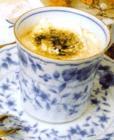
The magic in green tea coffee comes from contrast and harmony. Coffee brings a bold aroma, a full body, mild acidity, and some natural sweetness depending on the roast. Green tea — especially high-quality powdered types — contributes a fresh, grassy scent, a slightly bitter edge, and antioxidants. When layered properly, the two don’t clash; they play off each other’s strengths.
The drink is often described as a cultural metaphor: the creamy coffee base is Europe, rich and heavy; the green tea powder is Japan, light and sharp. Together, they find balance. The slight bitterness of the tea can also cut through the richness of the cream, refreshing your palate with every sip.
How to Make Green Tea Coffee at Home
Making green tea coffee is simple and doesn’t require special equipment. Here’s the classic method:
- Brew a cup of strong coffee — espresso, French press, or pour-over all work. Adjust strength to taste.
- Spoon a small amount of fresh, lightly sweetened whipped cream onto the surface of the coffee. A classic single spoonful is enough.
- Sprinkle a small amount of green tea powder over the cream. Use finely ground Japanese-style matcha or similar powdered green tea. Avoid coarse powders that won’t suspend well on the cream.
- Optionally, add a touch of sugar to the coffee before adding cream. Sugar can help enhance the fragrance of the green tea.
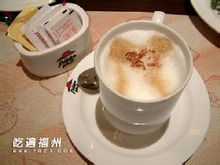
Alternative method: some recipes stir sugar into the hot coffee first, then pour the coffee into the cup, add the cream in a spiral motion, and finish with green tea powder. This creates a more layered visual effect, resembling a dessert drink.
Health Benefits of the Ingredients
Both coffee and green tea offer well-documented health perks:
- Coffee: Contains B vitamins (especially in roasted beans), antioxidants, and compounds like polyphenols and caffeine. It may improve metabolism, aid digestion, and help prevent gallstones. Studies suggest 2–3 cups per day reduce some bile stone risks. Caffeine also enhances alertness and can counteract fatigue.
- Green Tea Powder: Rich in catechins and vitamin C. These compounds act as antioxidants, may support skin health, reduce fatigue, and assist with weight management. Applied externally, green tea powder is also used in masks or toothpaste for its antibacterial effects.
Together, they create a beverage with potential metabolic, cognitive, and anti-inflammatory upsides.
Potential Risks and Who Should Avoid It
Despite the benefits, both coffee and caffeine-containing green tea powder come with caveats:
- Excessive coffee intake may contribute to high blood pressure, calcium loss, or insomnia, especially in older adults.
- Pregnant individuals, those with heart disease, gastric ulcers, osteoporosis, vitamin B1 deficiency, or cancer should limit or avoid caffeinated drinks.
- Adding too much green tea powder won’t necessarily make the drink healthier — balance is key.
Older adults should avoid overly strong coffee. Drinking coffee with a meal or after it, not during, improves digestion and minimizes stomach irritation. Always pair coffee with water to improve hydration and flavor perception.
Frequently Asked Questions
What is the traditional way to prepare green tea coffee?
The classic method involves brewing a strong cup of coffee, topping it with a spoon of fresh whipped cream, and then sprinkling finely ground green tea powder on top. Some variations stir sugar into the coffee first or spiral the cream into the cup for presentation.
Can I use any green tea powder for this drink?
It’s best to use fine, high-quality green tea powder similar to matcha. Avoid coarse or low-grade powders that won’t blend smoothly with the cream. Japanese-style powdered green tea gives the most authentic flavor and texture.
Is green tea coffee good for your health?
In moderation, yes. Coffee offers antioxidants and metabolic benefits; green tea powder provides catechins and vitamin C. Together, they may support digestion, alertness, and antioxidant intake. However, excessive consumption can lead to caffeine-related side effects.
Who should avoid drinking green tea coffee?
People with hypertension, heart disease, osteoporosis, gastric issues, pregnancy, vitamin B1 deficiency, or cancer should limit or avoid it. Elderly drinkers should stick to decaf or very mild versions to avoid exacerbating health risks.
What does green tea coffee taste like?
It has a bold coffee base with creamy texture from the whipped cream, topped by a fresh, slightly bitter, grassy note from the green tea. The overall effect is balanced — rich yet refreshing, strong yet aromatic.
Recommended FrontStreet Coffees with Tea-Like Notes
For fans of green tea coffee, try FrontStreet’s Yirgacheffe from the Gedeb region, which offers bright floral tones and a mild, tea-like finish. The Panama Geisha from Boquete brings citrus, floral, and creamy layers reminiscent of oolong. For a deeper experience, the Yunnan Arabica (2013) features a full-bodied, fermented red tea profile. All showcase unique tea-like characteristics. Freshly roasted within 5 days · Orders placed before 17:00 ship the same day · Next-day delivery across most of Guangdong Province.
FrontStreet Coffee is a long-established specialty coffee roaster in Guangzhou China, selling freshly roasted beans from its own farm in Yunnan as well as dozens of carefully selected single-origin beans from around the world for both pour-over and espresso. The products deliver consistently excellent quality and great value, with shipping within 24 hours. Guangzhou's FrontStreet Coffee shop is recommended by many coffee lovers, and the beans are now available online at the Tmall 。
Important Notice :
前街咖啡 FrontStreet Coffee has moved to new addredd:
FrontStreet Coffee Address: 315,Donghua East Road,GuangZhou
Tel:020 38364473