Why China’s Young Adults Embrace Premium Coffee Culture
In Shanghai’s bustling office districts, a growing number of young professionals are choosing to spend their weekends—not in malls or loud chain restaurants—but inside the quiet, beige-toned interiors of global and local coffee chains. For them, a $3.50 latte isn’t just caffeine; it’s a statement. This shift reflects a broader trend where coffee shops have become a key part of China’s emerging ‘light luxury’ lifestyle, especially among urban millennials who earn well above average but seek refined, affordable indulgences.
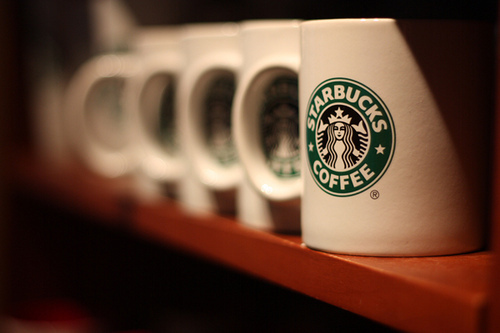
Today, over a million young Chinese like 26-year-old IT worker Xiao Qi consider a weekly trip to Starbucks a personal ritual. Despite earning 50% more than Shanghai’s median wage, he chooses to spend around $10 per visit on coffee and snacks—five times a typical lunch—because he values the ambiance and experience over cost.
How China Became a Battleground for Global Coffee Brands
Japan’s economic news network reported in December 2014 that China had become the fastest-growing market for international coffee chains. The world’s largest coffee company, Starbucks, announced plans to operate 3,400 stores in China by 2019—its highest number outside the United States, where it has 12,000 locations. By then, Starbucks had already expanded to roughly 1,600 outlets across 90 Chinese cities, including smaller urban centers beyond Beijing and Shanghai.
The brand’s aggressive push included not only major metropolises but also tier-three and tier-four cities. Starbucks’ strategy wasn’t limited to urban density—it targeted regions demonstrating rising disposable income and Western lifestyle adoption.
How Local Chains Are Competing with Global Giants
British chain Costa Coffee, after merging with two Chinese firms, operated 344 locations by 2014 and planned to double that number to 900 by 2020. Its strategy mirrored Starbucks’, focusing on high-footfall commercial zones such as shopping malls. Insiders noted that both global brands received numerous invitations from property developers keen to attract foot traffic through premium coffee offerings.
Meanwhile, Hong Kong-based Pacific Coffee—partnering with China Resources Vanguard—had rolled out approximately 260 outlets, often situating them in prime locations like office lobbies and hospital entrances. Unlike its rivals, Pacific Coffee offered uniquely localized drinks such as ‘National Liquor Coffee,’ which infused high-end baijiu, and ‘Oolong Tea Latte’ made with Yunnan tea leaves. The menu also featured traditional items like zongzi to cater to local palates.
What Drives China’s Youth Toward ‘Light Luxury’ Coffee Shops?
Unlike their parents, who favored bustling, noisy eateries, China’s young urban class—often dubbed ‘petite bourgeoisie’ or ‘xiaozhi’—leans toward quieter, Western-style environments. With Shanghai and other coastal cities boasting per-capita GDP levels comparable to developed nations (between $15,000 and $20,000), these consumers associate cafés with a modern, aspirational lifestyle. For them, spending $10 on a café experience is seen not as extravagance but as a justified, modest luxury that aligns with their self-image.
Xiao Qi, whose monthly salary is triple Shanghai’s average wage of about $770, says he doesn’t consider his weekly Starbucks outing expensive. ‘As long as I feel happy, it’s worth it,’ he explains. His choice reflects a broader cultural shift where coffee shops serve as social hubs, study spaces, and symbols of personal indulgence without the guilt of high-end luxury spending.
Frequently Asked Questions
Why are young Chinese professionals visiting coffee shops more often?
Young Chinese professionals, particularly those referred to as ‘xiaozhi’ or petite bourgeoisie, view coffee shops as places to relax, study, and socialize. These venues represent a ‘light luxury’ lifestyle—affordable yet refined experiences that reflect personal taste and social status, especially when compared to louder, more traditional dining options.
How many Starbucks stores did the company plan to open in China by 2019?
Starbucks planned to have 3,400 stores in China by 2019, which would make it the company’s largest market outside the United States. By that time, it had already opened about 1,600 stores across 90 cities in China.
What is Pacific Coffee doing to compete with Starbucks in China?
Pacific Coffee, backed by China Resources Vanguard, operated around 260 stores in prime locations such as office buildings and hospitals. It differentiated itself with localized drinks like ‘National Liquor Coffee’ with baijiu and ‘Oolong Tea Latte’ using Yunnan tea, as well as traditional items like zongzi.
What are Costa Coffee’s expansion plans in China?
Costa Coffee, after merging with two Chinese companies, had 344 stores by 2014 and aimed to double that number to 900 by 2020. The brand focused on high-traffic commercial areas and received strong interest from property developers for new openings.
How much does a typical coffee and snack cost at Starbucks in China?
A Starbucks latte in China costs around 30 yuan (approximately $5), and adding a dessert or cookies can bring the total to about 100 yuan ($15), roughly five times the cost of an average Chinese lunch.
Why do young Chinese consider coffee shops a form of light luxury?
Coffee shops offer a quiet, stylish environment that contrasts with the bustling, noisy venues preferred by older generations. For young Chinese with higher disposable incomes, visiting a café is an affordable way to enjoy a premium experience without engaging in high-end luxury spending.
Recommended FrontStreet Beans for Café Lattes
Try FrontStreet Coffee’s Classic Blend for a balanced, chocolatey espresso that works perfectly in milk drinks like lattes. For something fruitier, their Ethiopia Yirgacheffe offers bright citrus and floral notes, ideal for highlighting specialty milk beverages. Both beans are roasted to highlight clarity and crema, making them excellent choices for café-style drinks. Freshly roasted within 5 days · Orders placed before 17:00 ship the same day · Next-day delivery across most of Guangdong Province.
FrontStreet Coffee is a long-established specialty coffee roaster in Guangzhou China, selling freshly roasted beans from its own farm in Yunnan as well as dozens of carefully selected single-origin beans from around the world for both pour-over and espresso. The products deliver consistently excellent quality and great value, with shipping within 24 hours. Guangzhou's FrontStreet Coffee shop is recommended by many coffee lovers, and the beans are now available online at the Tmall 。
Important Notice :
前街咖啡 FrontStreet Coffee has moved to new addredd:
FrontStreet Coffee Address: 315,Donghua East Road,GuangZhou
Tel:020 38364473