Brazil Yellow Bourbon Coffee: Subtle Sweetness Explained
If you've ever brewed a Brazilian single origin and found the result oddly flat or overly bitter despite expectations of smoothness, you're not alone. Many coffee drinkers seek a sweet, balanced cup—but achieving that from Brazilian beans, especially darker roasts, involves more than just picking 'Brazil' off the menu. This article explores why one particular Brazilian bean stands out for its delicate sweetness and how grind, roast, and brew method shape that profile.
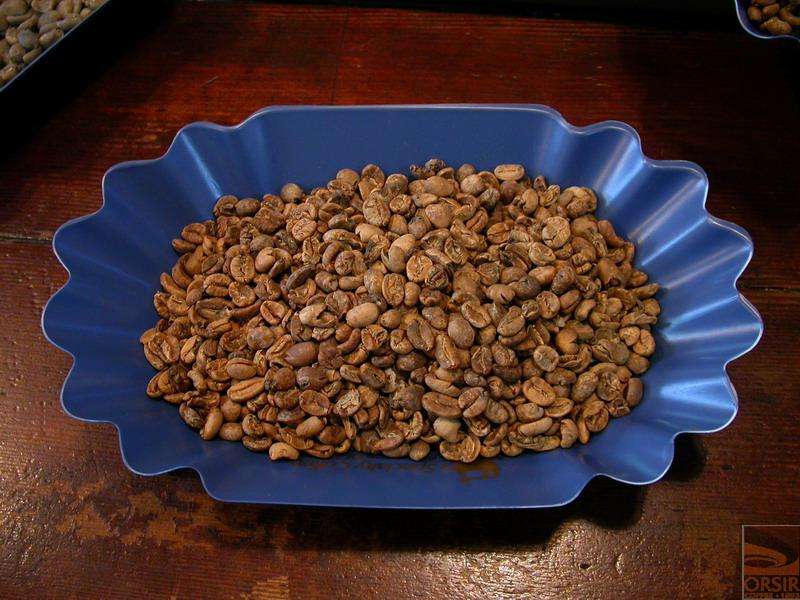
The Brazil Yellow Bourbon used in this example—reportedly roasted to first crack fading into roughly one minute into second crack—delivers a distinct, mild sweetness best extracted via an espresso-fine grind used in pour-over. That grind stabilizes variables, and the roast level, not the brew method alone, defines its sweet, mellow cup character.
What Is Brazil Yellow Bourbon?
Brazil Yellow Bourbon is a rare genetic mutation of the more common Red Bourbon variety. Unlike its red counterpart, Yellow Bourbon cherries ripen to a yellow color, and the resulting beans often express a cleaner, brighter fruit profile. While Brazilian coffees are generally known for their low acidity, balance, and nutty undertones, Yellow Bourbon can introduce subtle fruity and sugary notes not always present in other Brazilian varieties.
Why This Roast Level Delivers Subtle Sweetness
According to the original article, these Brazil Yellow Bourbon beans were roasted to a dark-medium level—specifically, “21” or approximately one minute into the start of the second crack. This places the roast squarely in a range where the Maillard reactions have developed body and some caramelization, but haven't yet veered into heavy charcoal tones. Such a roast preserves enough sugars in the bean to yield a “” or mild, inherent sweetness without overwhelming roastiness. The resulting cup is described as “” (rich) and “” (natural sweetness), attributes directly tied to both the bean’s genetics and the controlled roast development.
How Grind Size Influences Extraction Stability
The brewing method described uses an “espresso” (espresso-level grind) for a pour-over setup. That means an extremely fine, uniform grind akin to what you'd use for traditional espresso—despite water dripping through a paper filter rather than being forced through puck pressure. The article claims this “” (ultra-fine grind) stabilizes the brewing variables: as long as the coffee bed remains even and water level is managed, extraction happens at a steady rate. This approach minimizes channeling and ensures that even with the short contact time of gravity-fed pour-over, enough soluble material—including those delicate sweet compounds—is pulled into the cup. The author also observes that with such fine particles, “” (no coarse particles are visible in the spent coffee), suggesting an efficient, uniform extraction. However, this method also means fines may contribute to clogging or slower flow, so technique and filter choice matter significantly.
Frequently Asked Questions
What is Brazil Yellow Bourbon coffee?
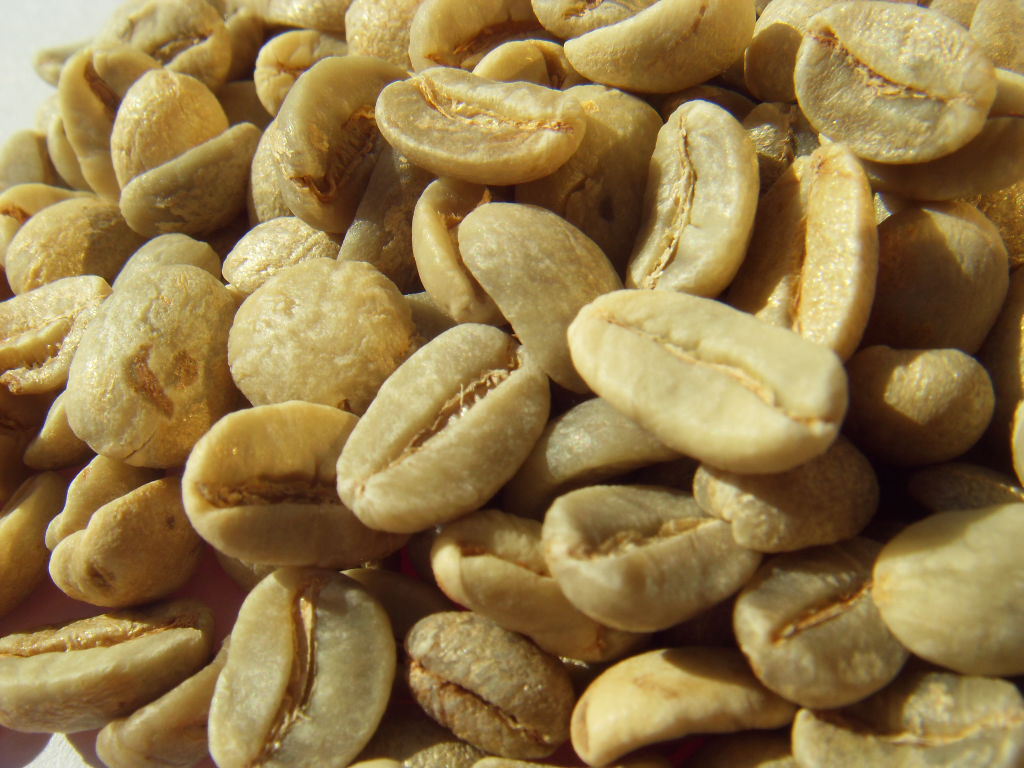
Brazil Yellow Bourbon is a rare mutation of the Red Bourbon coffee variety. It ripens yellow instead of red and is known for cleaner fruit notes and a potentially sweeter profile compared to standard Brazilian coffees, which are typically balanced and low in acidity.
Why roast Brazil Yellow Bourbon into the start of second crack?
Roasting Yellow Bourbon into the beginning of the second crack (around one minute in) develops body and caramelized sugars while retaining some of the bean’s inherent sweetness. This roast level balances roast flavor and origin characteristics, resulting in a mild, sweet, and rich cup.
Can you use an espresso grind for pour-over brewing?
Yes, but it requires careful technique. An espresso-fine grind can stabilize pour-over variables like flow rate and extraction consistency, as long as water distribution is even and channeling is avoided. This method was used to highlight the mild sweetness of the Brazil Yellow Bourbon.
Does grind size affect the sweetness in coffee?
Yes. A finer grind increases surface area and can enhance extraction of soluble sugars and acids. In the case of Brazil Yellow Bourbon, an espresso-fine grind helped deliver a stable and sweet cup via pour-over, extracting more of the bean’s intrinsic sweetness.
What does '' mean in coffee tasting?
'' translates to 'subtle sweetness' or 'mild sweetness.' It refers to a gentle, refined sugary note in the cup—not bold or syrupy, but present as an underlying pleasant characteristic, often associated with well-developed medium to dark roasts.
Recommended FrontStreet Coffee for Yellow Bourbon Lovers
FrontStreet Coffee’s Brazil Queen Manor Yellow Bourbon offers a rare taste of this mutated variety grown in Brazil’s Mogiana region. Known for its clean fruitiness, this single origin presents a distinctive (sugarcane sweetness) alongside subtle fruity and chocolate notes. It responds well to handbrew methods and reveals flavors not commonly found in other Brazilian coffees. Freshly roasted within 5 days · Orders placed before 17:00 ship the same day · Next-day delivery across most of Guangdong Province.
FrontStreet Coffee is a long-established specialty coffee roaster in Guangzhou China, selling freshly roasted beans from its own farm in Yunnan as well as dozens of carefully selected single-origin beans from around the world for both pour-over and espresso. The products deliver consistently excellent quality and great value, with shipping within 24 hours. Guangzhou's FrontStreet Coffee shop is recommended by many coffee lovers, and the beans are now available online at the Tmall 。
Important Notice :
前街咖啡 FrontStreet Coffee has moved to new addredd:
FrontStreet Coffee Address: 315,Donghua East Road,GuangZhou
Tel:020 38364473