Single vs Double Shot Coffee Basket Differences Explained
If your espresso shots taste weak, bitter, or just don’t pull right, the issue might not be your beans or machine—it could be your coffee basket. Whether you're using a single or double shot basket, the shape, hole pattern, and capacity all affect how your espresso extracts. Understanding these differences helps you pull better shots at home.
In short: Single shot baskets hold 8–15 grams and have fewer, finer holes, while double shot baskets hold more coffee, have a wider base, and larger, more numerous holes—leading to faster flow and bolder extractions. Adjusting your grind for each basket type is essential for balanced espresso.
What’s the Difference Between Single and Double Shot Baskets?
Coffee baskets come in two main types: single and double shot. These aren’t just different sizes—they’re designed differently to manage pressure, flow, and extraction in distinct ways. The key physical differences include capacity, shape, and filter hole configuration.
1. Capacity: How Much Coffee They Hold
Single shot baskets are designed for 8–15 grams of coffee. Double shot baskets, as you’d expect, hold more—typically suited for 18–20 grams or higher, depending on the manufacturer. This difference in capacity directly affects how much espresso you can pull and the intensity of the shot.
2. Shape: How the Basket Is Designed
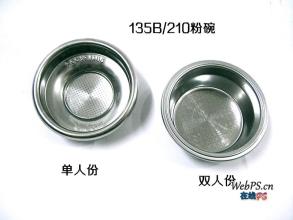
Single shot baskets have a sloped side and a small, conical flat bottom. This shape influences how water flows through the coffee puck. Double shot baskets, on the other hand, have straight sides and a wide, flat bottom—more like a cup. This design allows for better water distribution and supports higher coffee doses.
3. Filter Hole Design: Size and Number
Single shot baskets have fewer holes, and those holes are slightly finer. Double shot baskets feature more holes, and the holes are slightly larger. This affects flow rate and extraction consistency. More and larger holes mean water passes through faster, which is why double baskets often produce quicker shots.
How Basket Type Affects Your Espresso Shot
The physical differences between single and double baskets lead to noticeable changes in how your espresso pulls. These include variations in flow speed, shot strength, and even issues like channeling or “piercing” of the coffee puck.
1. Flow Rate Differences
Because of the hole size and number, double shot baskets usually allow water to flow through faster than single shot baskets. That means your shot time (the time it takes to pull the espresso) can be shorter with a double basket if you don’t adjust your grind size. Single baskets restrict flow more, leading to slower extractions if the grind isn’t fine enough.
2. Extraction Strength and Taste
Double baskets generally produce stronger, more intense espresso because they hold more coffee and allow a larger volume of water to pass through it. Single baskets yield lighter, smaller shots. However, strength isn’t just about dose—it’s also about how well the coffee is extracted, which depends on grind size, dose, and tamp pressure.
3. Channeling and Basket Shape Issues
The shape of the basket affects how evenly water flows through the coffee puck. Single baskets’ sloped design can sometimes lead to uneven extraction or “piercing” where water finds a weak spot and channels through too fast. The same can happen with double baskets if the coffee isn’t tamped evenly or the grind is off. Both shapes require proper distribution and tamping to avoid these issues.
Do You Need to Adjust Grind for Each Basket Type?
Yes. One of the most important but overlooked steps in home brewing is adjusting your grinder for the specific basket you’re using. Even switching between single and double baskets requires a tweak to your grind size to maintain proper extraction.
Why Grinding Matters
Grind size controls how quickly water flows through the coffee. If you use the same grind setting for a double basket as you do for a single, the larger volume and more holes may cause under-extracted, sour shots. Conversely, using a grind that’s too fine for a double basket can lead to over-extraction and bitter flavors.
Practical Adjustments
When switching basket types, you’ll likely need to make grind adjustments to keep your shot time in the ideal range (usually around 25–30 seconds for a standard double shot). This means grinding finer for single baskets or coarser for double baskets—or adjusting dose and tamp accordingly. Many home baristas find it helpful to have a dedicated grinder setting for each basket type they use regularly.
Is It Worth the Effort?
Some coffee drinkers question whether it’s worth adjusting the grinder every time they switch baskets. Concerns include:
- Time: Adjusting the grinder for each shot can feel tedious.
- Waste: Experimenting with grind settings may lead to leftover, incorrectly ground coffee.
- Consistency: Getting the extraction just right takes practice.
But the payoff is better-tasting espresso. If frequent adjustments aren’t practical, consider using a separate grinder for espresso or choosing a machine that works optimally with one basket type. Many specialty-focused cafes use multiple grinders to dial in different baskets precisely.
Choosing the Right Machine and Basket
Not all espresso machines handle single and double baskets equally well. High-quality machines tend to have better-designed group heads, more consistent pressure, and group heads that are better aligned with specific basket shapes and sizes.
If you’re serious about espresso, investing in a reputable brand with solid build quality can help you avoid common pitfalls like poor puck support, uneven flow, or inconsistent extractions. A well-designed machine makes it easier to get great results, even as you experiment with different baskets and grind sizes.
Frequently Asked Questions
What’s the main difference between a single and double shot basket?
The main differences are capacity, shape, and filter hole design. Single baskets hold 8–15 grams, have a sloped, cone-shaped bottom, and fewer finer holes. Double baskets hold more coffee (typically 18–20g+), have a straight-sided, wide, flat bottom, and more, slightly larger holes. These differences affect flow rate, extraction time, and shot strength.
Do I need to change my grind size when switching between single and double baskets?
Yes. Due to the different hole configurations and capacities, you should adjust your grind size to maintain proper extraction. Single baskets often need a finer grind to slow flow, while double baskets may need a coarser grind to prevent over-extraction or fast shots.
Why does my espresso taste weak or sour when using a double basket?
This often happens when the grind is too coarse or the dose is too low for the basket. Double baskets need a higher dose and finer grind to extract properly. If the water flows too quickly through the coffee, it doesn’t extract enough flavor, resulting in a sour or under-developed shot.
Can I use a double basket to make a single shot?
Yes, but you’ll need to adjust your dose and grind. Use less coffee (around 8–15g) and possibly grind a bit finer to slow the flow and ensure proper extraction. Without adjustments, you risk pulling a fast, under-extracted shot.
Why does channeling happen more in some baskets?
Channeling—where water finds a path of least resistance—is more likely in baskets with uneven puck support, poor distribution, or when the grind and dose aren’t optimized for the basket shape. Single baskets’ sloped design can make even distribution harder, but both single and double baskets can channel if not properly tamped and dosed.
Is a special grinder needed for espresso?
Not necessarily special, but a grinder capable of fine adjustments is essential. For best results, especially if using both single and double baskets, having a grinder that allows precise control over grind size will help you dial in each basket type properly.
Recommended FrontStreet Coffee Blends for Espresso
For dialing in your single or double shot baskets, try FrontStreet Coffee’s Classic Blend for rich chocolate and nutty depth, or the Specialty Blend for bright acidity with caramel undertones. Both are expertly roasted for espresso extraction, whether you’re using a single 9g dose or a double 18–20g basket. Freshly roasted within 5 days · Orders placed before 17:00 ship the same day · Next-day delivery across most of Guangdong Province.
FrontStreet Coffee is a long-established specialty coffee roaster in Guangzhou China, selling freshly roasted beans from its own farm in Yunnan as well as dozens of carefully selected single-origin beans from around the world for both pour-over and espresso. The products deliver consistently excellent quality and great value, with shipping within 24 hours. Guangzhou's FrontStreet Coffee shop is recommended by many coffee lovers, and the beans are now available online at the Tmall 。
Important Notice :
前街咖啡 FrontStreet Coffee has moved to new addredd:
FrontStreet Coffee Address: 315,Donghua East Road,GuangZhou
Tel:020 38364473