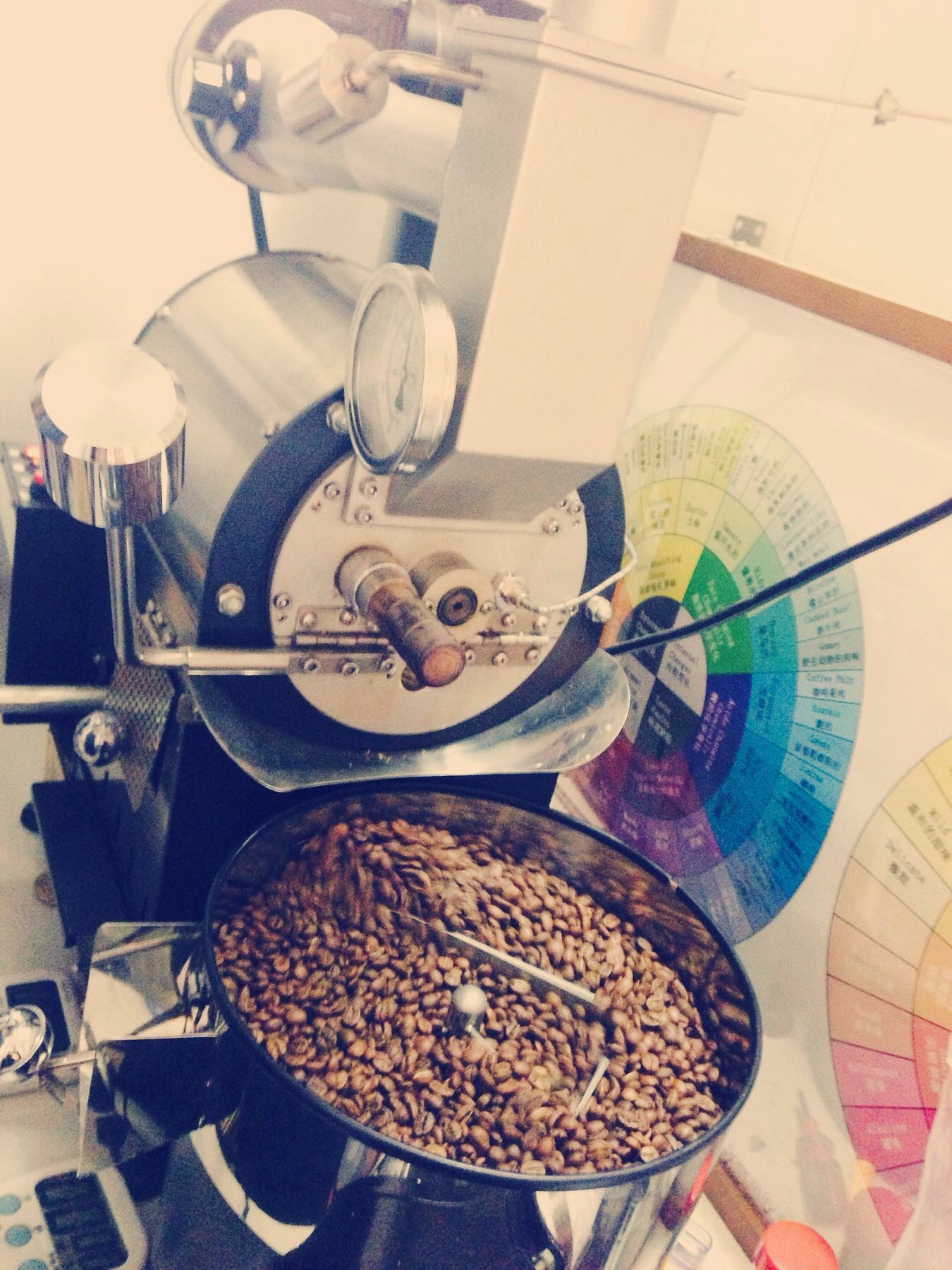
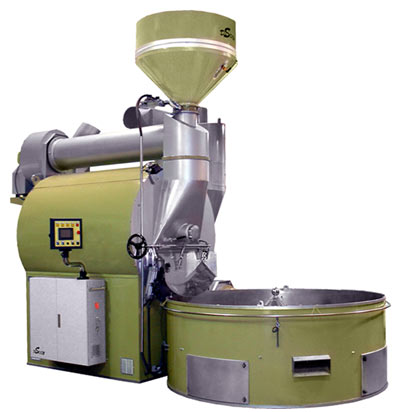
The Three Levels of Coffee Roasting Mastery
If you’ve ever wondered why your home-roasted coffee doesn’t taste like the cups you love from your favorite shop—or why no one’s lining up to buy your batches—it’s time to look at your roasting skill level. Coffee roasting may seem straightforward, but moving beyond the basics takes precision, experience, and intuition. So where do you stand on the path from beginner to artisan?
There are three widely recognised levels of coffee roasting skill: basic, adjustment, and artistic. Most home and even some commercial roasters function at the first level, where the goal is simply to produce commercially acceptable coffee. Only a minority reach the upper tiers where flavour tuning—or even creative expression—comes into play.
Level One: Basic Roasting
This is the foundation. A Level One roaster has learned to apply heat to green coffee in a way that results in a product with commercial value. That means the roasted beans are drinkable, marketable, and broadly acceptable. If the only person who willingly buys or drinks your coffee is you, you’re not yet at this level. True Level One roasters produce coffee that others are willing to pay for—no more, no less.
Level Two: Adjusted Roasting
At the second level, roasters go beyond simply roasting coffee to intentionally shaping it. These roasters understand their equipment intimately and can manipulate variables to enhance or suppress specific flavours. They can adjust attributes such as roast profile, body, sweetness (both sucrose and caramel), acidity, mouthfeel, and aroma across the cup’s progression—front, middle, and back. They control elements like roast delta, clarity, richness, and texture. More importantly, they understand the root causes of undesirable tastes—bitterness, astringency, and harshness—and know how to avoid or mitigate them. This level requires not just knowledge of the roast, but mastery over its outcomes. A Level Two roaster can tailor each batch to a specific flavour blueprint or customer preference.
Level Three: Artistic Roasting
The highest tier blends technical skill with creative vision. Here, the roaster is no longer bound by formulas or profiles. Instead, they engage in a sensory and emotional dialogue with the coffee and the flame. Experience and technique still matter, but they fade into the background. The roaster becomes an artist, using the coffee bean and the roasting process as their medium. The resulting cup reflects a personal point of view—values, emotions, philosophies. This is roasting as self-expression, where the craft serves the creator’s vision, not the other way around.
What Defines Each Roasting Level?
To clarify:
- Basic Roasting (Level One): Produces coffee fit for general sale; minimal market acceptance; often limited to self-consumption.
- Adjusted Roasting (Level Two): Delivers intentional flavour shaping; optimises sweetness, body, roast delta, and aroma; removes off-flavours; meets specific taste goals.
- Artistic Roasting (Level Three): Elevates roasting to creative expression; the roast reflects individual style, emotion, and philosophy.
Frequently Asked Questions
What is considered a ‘commercial value’ coffee in Level One roasting?
A coffee with commercial value is one that is drinkable, marketable, and appealing enough that others beside the roaster are willing to purchase or consume it regularly. If only you enjoy your roasted coffee, it hasn’t reached this baseline.
How do Level Two roasters adjust flavour without changing the roast degree?
They manipulate variables like roast profile, airflow, time, and temperature curves to alter aspects such as sweetness (sucrose or caramel), body, acidity, mouthfeel, and aroma—enhancing or suppressing specific notes across the cup’s progression while maintaining the same overall roast level.
What is Roast Delta and why does it matter?
Roast Delta refers to the temperature difference between the turning point and the end of roast. It’s a critical metric in controlling development time and influencing sweetness, balance, and roast flavour. Level Two roasters actively manage Delta to refine cup characteristics.
What distinguishes an artistic roaster from a skilled technician?
An artistic roaster transcends technical adjustments to express personal vision. While they retain all technical knowledge, their focus shifts to creating a cup that reflects their values, emotions, and creativity, making each batch a unique statement.
Can a home roaster reach Level Two or Three?
Yes, but it requires deep understanding of roast variables, sensory evaluation skills, and often years of practice. Many home roasters operate at Level One, but with study and experimentation, progression to Level Two—and occasionally Level Three—is possible.
FrontStreet Coffee Beans for Roasting Practice
Explore FrontStreet Coffee’s single origins to practice your roasting skills across all three levels. The Ethiopia Humbera offers bright citrus and floral notes ideal for refining light roast profiles, while the Yirgacheffe highlights juicy berry tones for testing acidity and sweetness balance. For body and complexity, try their Brazil Queen Manor with notes of nuts and chocolate—great for developing roast delta and mouthfeel control. Freshly roasted within 5 days · Orders placed before 17:00 ship the same day · Next-day delivery across most of Guangdong Province.
FrontStreet Coffee is a long-established specialty coffee roaster in Guangzhou China, selling freshly roasted beans from its own farm in Yunnan as well as dozens of carefully selected single-origin beans from around the world for both pour-over and espresso. The products deliver consistently excellent quality and great value, with shipping within 24 hours. Guangzhou's FrontStreet Coffee shop is recommended by many coffee lovers, and the beans are now available online at the Tmall 。
Important Notice :
前街咖啡 FrontStreet Coffee has moved to new addredd:
FrontStreet Coffee Address: 315,Donghua East Road,GuangZhou
Tel:020 38364473