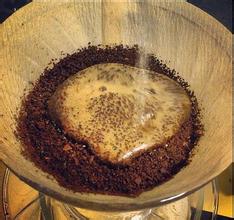
Why Higher Water Temp Works for Overlight Roast Coffee
You’ve dialed in your usual pour-over routine—great grind, clean water, precise bloom. But today’s light-roast pour tastes off. Not bright and juicy. Just sharp, sour, and thin. You drop the water temp like you always do for light roasts. Still sour. What’s going wrong?
The quick answer: For an unusually light or over-roasted batch, lowering water temperature can backfire. In one test, pushing pour-over water from 87°C to 92°C turned an intensely sour Costa Rican from undrinkable to balanced—with clear strawberry-tart sweetness and syrupy body.
The Unexpected Sour Pour-Over
Most specialty brewers know the rule: higher water temperature brings out more bitterness, lower temperatures emphasize acidity. That’s why darker roasts often brew best at 90°C or above, while lighter roasts trend below 90°C. This time, though, a usually steady-handed roaster took a Central American lot (a Costa Rican from Angostura) to an unusually light roast—just into the first cracks, avoiding the usual second crack development. The result? A cup that wasn’t just bright, but punishingly sour, more like biting into an underripe grape than enjoying coffee.
Two straight days of cupping confirmed the same harsh profile. No complexity, no balance—just overwhelming tartness. The usual fix—dropping brew temperature to around 87°C—only made things worse.
Flipping the Script: Raising Temperature
In frustration, the brewer switched direction. Instead of lowering the water temperature further, they pushed it up to 92°C. The result surprised everyone: the cup shifted from harsh sourness to a sweet-tart balance. Notes of strawberry jam and syrupy sweetness emerged. Acidity didn’t vanish—it softened into something pleasant, integrated with the coffee’s structure. More importantly, the cup retained its complexity despite the light roast.
This wasn’t a one-off. A second brew at the same temperature produced identical results: balanced, vibrant, and far more enjoyable. The extreme lightness of the roast had pushed acidity to the edge. Lower temperatures amplified that acidity. Higher heat, counterintuitively, brought control and harmony.
Why This Works: The Roast Level Factor
Conventional wisdom says lower temperatures reduce bitterness and preserve acidity, especially in light roasts. But when a roast is taken too light—into territory beyond typical specialty profiles—the coffee's inherent acids can become overly dominant, harsh, and unbalanced. In these cases, a lower brew temperature doesn’t tame the acid; it highlights it.
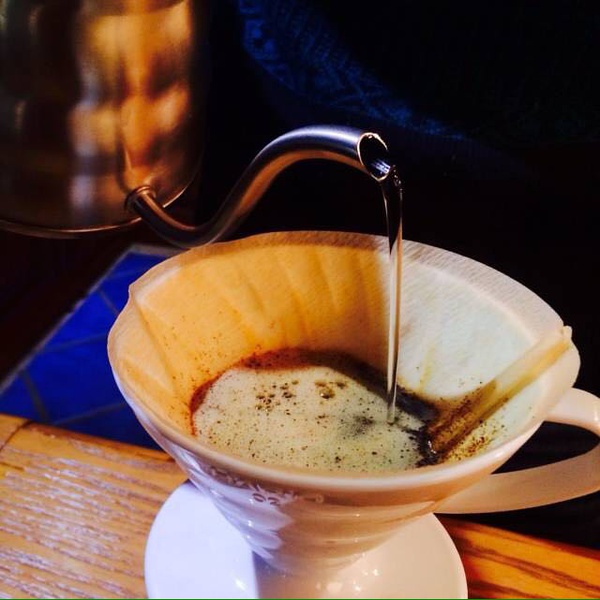
Raising the water temperature slightly (in this case, to 92°C instead of the usual 87–90°C for light roasts) shifts extraction dynamics. More heat helps extract sweetness and body compounds that balance raw acidity. Rather than suppressing the coffee’s character, the higher temperature tempers extreme sourness and reveals a rounder, sweeter cup.
This approach mirrors how darker roasts often perform better at higher brew temperatures—they need more energy to dissolve their denser, less soluble compounds. An over-light roast behaves similarly: it requires adjusted parameters to reach equilibrium.
Brewing Lessons: Think Opposite
The core insight here isn’t about numbers—it’s about mindset. Too often, brewers default to standard profiles without considering the actual state of the bean. A light roast isn’t just “light”; its roast degree, density, and development all affect how it responds to water temperature, grind size, and brew time.
When facing an unusually sour or thin cup, don’t reflexively reach for cooler water and finer grinds. Instead, ask: what does this coffee actually need? Is it lacking sweetness? Is the acid out of control? For over-light roasts, a small increase in water temperature can shift the balance dramatically.
This “reverse thinking”—adjusting parameters against the usual rules based on the bean’s actual condition—leads to better, more forgiving brews. It’s not just science; it’s adaptive brewing intelligence.
Frequently Asked Questions
What water temperature should I use for light roast coffee?
Most light roast pour-overs brew well between 88°C and 90°C. However, if your light roast is extremely underdeveloped or unusually sour, try increasing temperature to 92°C to balance acidity with sweetness and body.

Why did my light roast pour-over taste so sour?
An overly light roast—or one taken too far into first crack without sufficient development—can highlight harsh, unbalanced acidity. Lower water temperatures may intensify that sourness rather than reduce it.
Does higher water temperature always increase bitterness?
Usually, yes—but with very light roasts, higher temperatures can also extract more sweetness and body, which helps balance excessive acidity. It depends on the roast level and intended flavor profile.
How do I know if my roast is too light?
Excessively sharp, tart, thin, or one-dimensional cups often signal an over-light roast. If standard light roast brewing techniques (like lower temps) make the cup worse, the roast level may be the issue.
Can I apply this to other brewing methods?
Yes. Whether pour-over, AeroPress, or drip, extremely light roasts may require adjusted brew temperatures (often higher than expected) to achieve balance. The principle applies across methods.
What if increasing temperature makes my coffee bitter?
If your coffee becomes overly bitter at higher temperatures, your roast might be too dark—or your grind too fine. Adjust grind size or reduce temperature slightly to find balance.
Recommended FrontStreet Beans for Light & Overlight Roasts
For brewers experimenting with light or over-light roasts, try FrontStreet’s Ethiopia Humbera for bright tropical notes with balanced acidity, or Kenya Little Tomato for intense sour fruit complexity. Both respond well to careful temperature adjustments. For contrast, FrontStreet’s PWN Golden Mandheling offers low acidity and heavy body—ideal for understanding roast spectrum effects. Freshly roasted within 5 days · Orders placed before 17:00 ship the same day · Next-day delivery across most of Guangdong Province.
FrontStreet Coffee is a long-established specialty coffee roaster in Guangzhou China, selling freshly roasted beans from its own farm in Yunnan as well as dozens of carefully selected single-origin beans from around the world for both pour-over and espresso. The products deliver consistently excellent quality and great value, with shipping within 24 hours. Guangzhou's FrontStreet Coffee shop is recommended by many coffee lovers, and the beans are now available online at the Tmall 。
Important Notice :
前街咖啡 FrontStreet Coffee has moved to new addredd:
FrontStreet Coffee Address: 315,Donghua East Road,GuangZhou
Tel:020 38364473