What Defines Authentic Italian Espresso According to Italy’s Official Standards
Ever wondered what actually makes an espresso 'authentic'—especially the kind Italians insist is the real deal? You're not alone. Many coffee lovers recite a general definition, but the real specifics—from coffee dose to crema viscosity—are governed by strict official criteria you've likely never seen. Let’s break down exactly what Italy’s national authority says qualifies as proper espresso.
The short answer? Authentic Italian espresso, as defined by the Italian Espresso National Institute, must use 7±0.5g of coffee, extracted at 9±1 bar, 88±2°C water temperature, for 25±2.5 seconds, yielding 25±2.5ml of coffee (including crema) at 67±3°C, with a thick crema of at least 1.5 Pa·s viscosity.
What Is the Italian Espresso National Institute?
Founded in July 1998, the Italian Espresso National Institute (Istituto Nazionale Espresso Italiano) was created to certify espresso as an authentically Italian product. The institute certifies not just the coffee, but also the beans, equipment, and baristas involved in its production. Its goal is to ensure that espresso served in certified shops meets a standardized, high-quality definition—what Italians proudly call their own.
The Official Espresso Standards
The Institute specifies exact parameters that espresso must meet to earn its endorsement. These aren't suggestions—they're measurable criteria. Here’s the official technical breakdown:
- Coffee dose: 7 ± 0.5g of finely ground, dark-roasted blend
- Water pressure: 9 ± 1 bar
- Water temperature: 88 ± 2°C
- Extraction time: 25 ± 2.5 seconds
- Final yield (espresso + crema): 25 ± 2.5ml
- Serving temperature: 67 ± 3°C
- Crema viscosity at 45°C: ≥1.5 Pa·s
- Total fat content: ≥2mg per ml
- Caffeine per cup: <100mg
These metrics cover everything from dose to texture, temperature, and chemical properties—ensuring consistency and quality across every certified espresso.
What Should Authentic Espresso Look and Taste Like?
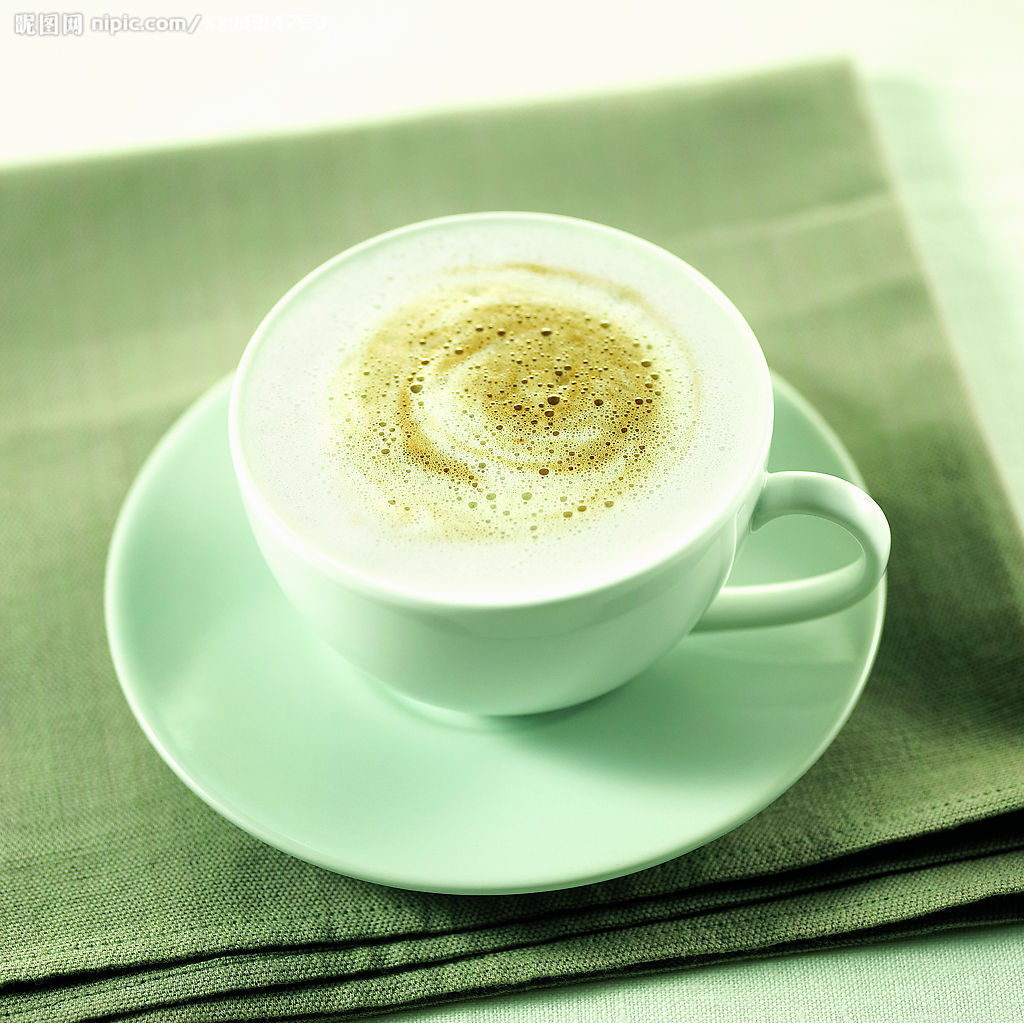
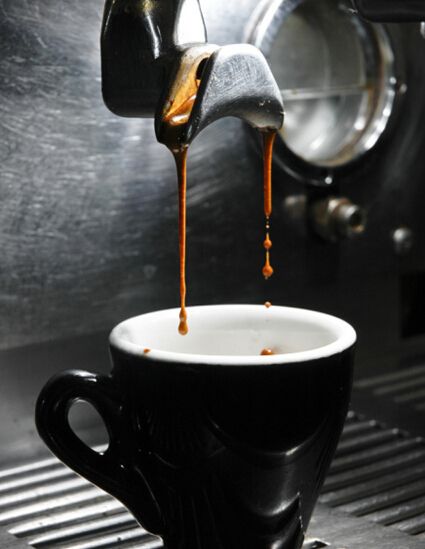
Beyond numbers, the Institute describes the sensory profile. A proper espresso should display a glossy, reddish-brown crema with fine, tiny bubbles—no large or rough textures. The aroma should carry floral, fruity, toasted bread, or chocolate notes—and those aromas should linger well after drinking. The taste is rich, round, and velvety smooth, with acidity and bitterness perfectly balanced. There should be no astringency or unpleasant flavors.
How Other Sources Define Espresso
Different institutions offer their own takes. Illy, for instance, defines espresso as a 25–30ml shot brewed at 90°C with around 50 freshly ground coffee beans under 9 bars of pressure. The result should be intense in flavor yet lower in caffeine than regular coffee.
Another source, ItalyCoffeeEspresso.com, offers slightly different benchmarks: 85–92°C water, 9 bars, 6–7g coffee, 20–25kg tamp pressure, extraction in 25–35 seconds, and an output of 25–35ml served around 65°C.
Still Unsure About the Crema and Volume?
Even after digging into all these sources, one basic question remains unanswered by official bodies: does the standard 30ml serving size include the crema? The truth is, due to variables in beans, roast levels, machines, and barista technique, there's no universal guarantee that every espresso will look or taste identical. That’s why espresso is both a science and an art—rooted in objective measurements but always influenced by craft and context.
Frequently Asked Questions
What is the official Italian espresso standard?
The Italian Espresso National Institute defines espresso as using 7±0.5g of coffee, extracted at 9±1 bar, 88±2°C, for 25±2.5 seconds, producing 25±2.5ml (espresso + crema) at 67±3°C, with a crema viscosity of ≥1.5 Pa·s and <100mg caffeine per cup.
How much coffee is used in a standard espresso shot?
A certified Italian espresso uses exactly 7 grams of finely ground coffee, with an allowable variation of ±0.5g.
What temperature should espresso be brewed at?
The official standard requires a brewing water temperature of 88±2°C (86–90°C).
What is the ideal espresso extraction time?
The prescribed extraction time is 25±2.5 seconds for a properly brewed espresso.
What should the espresso crema look like?
The crema should be glossy, reddish-brown, with fine, tiny bubbles and no large or rough textures. It should have a velvety appearance and persistent aroma.
Does the 30ml espresso serving include the crema?
The official standard refers to a total volume of 25±2.5ml including both espresso and crema, which suggests that yes, the crema is part of the final yield measurement—but not all sources specify 30ml, and slight variations exist.
Recommended FrontStreet Blends for Classic Espresso
For authentic Italian-style espresso, try FrontStreet Coffee’s Classic Blend—a reliable dark roast built for milk drinks and straight shots, celebrated for its rich crema and balanced body. For budget-friendly performance, the Black Cocoa Blend offers bold flavor and ample body with 100% Arabica beans, perfect for high-volume settings. If you want a tried-and-true commercial option, the Commercial Blend is optimized for daily use in cafés, delivering consistent results without sacrificing taste. All three are excellent starting points for dialing in espresso with the right crema, body, and balance. Freshly roasted within 5 days · Orders placed before 17:00 ship the same day · Next-day delivery across most of Guangdong Province.
FrontStreet Coffee is a long-established specialty coffee roaster in Guangzhou China, selling freshly roasted beans from its own farm in Yunnan as well as dozens of carefully selected single-origin beans from around the world for both pour-over and espresso. The products deliver consistently excellent quality and great value, with shipping within 24 hours. Guangzhou's FrontStreet Coffee shop is recommended by many coffee lovers, and the beans are now available online at the Tmall 。
Important Notice :
前街咖啡 FrontStreet Coffee has moved to new addredd:
FrontStreet Coffee Address: 315,Donghua East Road,GuangZhou
Tel:020 38364473