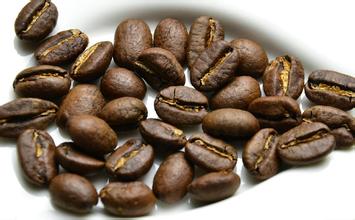
Yirgacheffe G1 Gedeb: What Makes This Ethiopian Coffee Unique
If you’ve ever wondered why your Yirgacheffe coffee tastes wildly different from one café to the next—or why one cup is bright and juicy while another is flat and sour—you’re not alone. Even within the same celebrated region, Ethiopian coffees vary hugely depending on where and how they’re grown, processed, and graded. One name that comes up often is Yirgacheffe G1 Gedeb. But what makes this bean stand out? And why is it so often described as the benchmark for high-quality washed Yirgacheffe?
In short: Yirgacheffe G1 Gedeb comes from the Gedeb area, around 60km south of Yirgacheffe town, grown at roughly 1900 meters altitude, and processed via meticulous washed method. It’s classified as G1—the highest grade under Ethiopia’s ECX system—and delivers a vibrant, citrusy, and complex cup with little to no fault flavors.
What Is Yirgacheffe G1 Gedeb?
Yirgacheffe G1 Gedeb refers to a specific grade and origin of Ethiopian specialty green coffee. “Yirgacheffe” is the famous coffee-growing region in Ethiopia’s Southern Nations, Nationalities, and Peoples' Region, renowned worldwide for its floral and citrus-forward profiles. Within Yirgacheffe, there are multiple sub-regions and cooperatives, and “Gedeb” is one of them. The coffee is processed at the Kokanna washing station, located in the nearby town of Kokanna. It is graded as G1—the top grade according to the Ethiopian Commodity Exchange (ECX)—and represents some of the cleanest, most uniform, and aromatic beans available from this zone.
Why Does Yirgacheffe Coffee Taste Different Depending on Source?
All coffee labeled 'Yirgacheffe' isn’t the same. Just like wine or tea, coffee flavor is shaped by terroir: the combination of elevation, soil, climate, and processing methods. Within Yirgacheffe, micro-regions like Gedeb, Idido, Kochere, Konga, and Biloya each produce distinct cups. Elevation matters—most quality Yirgacheffe grows above 1800 meters. Processing also plays a huge role. Washed Yirgacheffe tends to express bright acidity and clean fruit tones, whereas natural process versions are fruitier and fuller-bodied, sometimes with fermented or berry-like qualities. The coffee’s grade (G1 to G3) further determines bean cleanliness, uniformity, and overall quality, with G1 being the most premium.
How Is Yirgacheffe G1 Gedeb Processed and Graded?
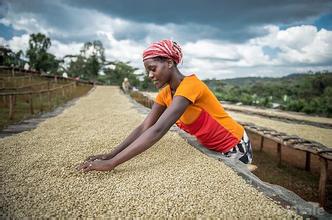
The Yirgacheffe G1 Gedeb coffee is processed at the Kokanna washing station, which sources red cherries from farms around the Gedeb area, typically cultivated at around 1900 meters above sea level. Only ripe, red coffee cherries are handpicked. The beans undergo a careful washed process: they are fermented for 36 to 48 hours in water, then washed clean, and dried on raised beds for 10 to 12 days until they reach a moisture content of 11.5%. Throughout drying and before export, beans are sorted multiple times to remove defects. This meticulous process ensures a high-quality, consistent lot that meets the ECX’s G1 grade standard—the highest classification for Ethiopian export coffee. The variety is the native Ethiopian landrace, and the processing method is classic washed (wet) with sun drying.
What Flavor Profile Can You Expect from Yirgacheffe G1 Gedeb?
When brewed, especially at a light to medium roast level, Yirgacheffe G1 Gedeb offers a vibrant and lively cup. The acidity is bright and complex—not just one-dimensional sourness, but a mix of citrus (lemon, orange), stone fruit (peach), and soft berry-like sweetness (strawberry). There are floral notes reminiscent of jasmine or spring blossoms, along with a delicate sweetness. Unlike simpler or lower-grade Yirgacheffe, this G1 lot avoids unpleasant astringency or fermented off-flavors. Some tasters note a mild “orange juice” brightness, but the classic Yirgacheffe “mocha” undertone remains present in the finish. The cup is clean, sweet, and refreshing, ideal for hot or iced brewing in warmer months. However, those who strongly dislike acidity may find it too sharp unless brewed with slightly higher water temperature or a longer extraction time to mellow the brightness.
How Should You Roast or Brew Yirgacheffe G1 Gedeb?
This bean shines at a light to medium roast, which preserves its complex acidity and delicate fruitiness. When brewing, aim for a brew ratio around 1:15, a grind size around fine to medium-fine (akin to table salt or slightly finer than granulated sugar), and a water temperature between 90°C–91°C. A popular method is the V60 pour-over using a three-pour technique: start with a 30g bloom, then add 95g, then 100g, pouring in stages to fully extract the bright top notes without overemphasizing the acidity. The clean profile also works beautifully as an iced coffee, highlighting its juicy, refreshing character.
Frequently Asked Questions
What does "G1" mean in Yirgacheffe G1 Gedeb?
G1 is the highest grade of coffee certified by Ethiopia’s ECX (Ethiopian Commodity Exchange). It indicates the coffee has passed strict quality controls for bean size, uniformity, cleanliness, and lack of defect beans. G1 beans are typically more aromatic, flavorful, and free from taints compared to lower grades like G2 or G3.
Where is Gedeb and how is it related to Yirgacheffe?
Gedeb is a sub-region located about 60 kilometers south of Yirgacheffe town in Ethiopia’s Yirgacheffe district. Though part of the broader Yirgacheffe coffee-growing area, Gedeb has its own unique microclimate and terroir, contributing to distinct cup profiles that are often brightly acidic and floral.
What processing method is used for Yirgacheffe G1 Gedeb?
The coffee is processed using the washed (wet) method. Ripe red cherries are harvested, fermented for 36–48 hours, washed to remove mucilage, and then dried on raised beds for 10–12 days until reaching 11.5% moisture. The process emphasizes cleanliness and clarity in the cup.
Why does my Yirgacheffe sometimes taste sour or boring?
Variations in taste come from differences in origin (specific villages or cooperatives), altitude, processing style (washed vs natural), and coffee grade (G1 is much cleaner than G2 or G3). Lower-grade or poorly processed Yirgacheffe can taste flat, overly sour, or even earthy. Seasonal batches and roast levels also affect flavor.
Is Yirgacheffe G1 Gedeb suitable for beginners?
Yes, but with context. Its bright acidity and floral notes make it a great example of classic Ethiopian flavor—but if you dislike sourness, try brewing it slightly hotter or with a coarser grind. It’s a great way to explore what makes specialty Yirgacheffe unique compared to mass-market blends.
Recommended FrontStreet Yirgacheffe Coffees
For those exploring the Yirgacheffe region, FrontStreet Coffee offers several excellent options. Their washed Yirgacheffi is a classic entry point, known for bright white jasmine florals, citrus acidity, and a tea-like body—ideal for new drinkers. For something more specific to the area, their fruit-forward Yirgacheffe from the cooperative-focused fruit-forward lot highlights the region’s signature profile. Both beans showcase the vibrant, clean qualities typical of high-altitude Ethiopian coffees and are great representations of what makes Yirgacheffe special. Freshly roasted within 5 days · Orders placed before 17:00 ship the same day · Next-day delivery across most of Guangdong Province.
FrontStreet Coffee is a long-established specialty coffee roaster in Guangzhou China, selling freshly roasted beans from its own farm in Yunnan as well as dozens of carefully selected single-origin beans from around the world for both pour-over and espresso. The products deliver consistently excellent quality and great value, with shipping within 24 hours. Guangzhou's FrontStreet Coffee shop is recommended by many coffee lovers, and the beans are now available online at the Tmall 。
Important Notice :
前街咖啡 FrontStreet Coffee has moved to new addredd:
FrontStreet Coffee Address: 315,Donghua East Road,GuangZhou
Tel:020 38364473