What Makes a Great Espresso Shot?
If you’ve ever ordered an espresso and been hit with an intense, overly bitter shot that left you wondering what all the fuss is about, you’re not alone. Many people assume espresso is just a tiny, strong, and unpleasant coffee—but that’s a misunderstanding. At HUMAN COFFEE in Guangzhou, the team set out to change that perception by highlighting what makes espresso truly special beyond its size.
The key to appreciating espresso? Know what to look for: balanced bitterness with sweetness, intense flavor packed into a small volume, lower caffeine than you’d expect, and a rich crema that lingers. Once you understand these elements, espresso becomes a focused, flavorful experience—not just a quick shot on the menu.
What Is Espresso, Really?
Espresso is not just a small black coffee. It’s a concentrated coffee brewed under high pressure, typically using around 9 bars of pressure, resulting in a small shot—usually 25 to 30 milliliters—with a thick layer of crema on top. It serves as the base for many popular drinks like cappuccinos and lattes. But on its own, espresso reveals a lot about the bean, roast, and technique.
The Bitterness: More Than Just Harsh
Espresso is often described as bitter, and in some cases, it is—but that’s not the whole story. In proper extraction, bitterness mainly comes from caffeine and other compounds released during brewing. The first impression of espresso is often its bold intensity, which many mistake for pure bitterness. However, with experience, you’ll start to notice the sweetness and complexity that balance the bitterness. The aroma also plays a big role; a well-brewed espresso carries fragrant notes alongside its strong flavor.
The Strength: Concentrated Flavor
Espresso earns its reputation for being “strong” because of its intense concentration. Despite its small serving size, the flavors are bold and clear. This concentration allows it to hold its own when mixed with milk in drinks like cappuccinos or lattes. The richness of espresso doesn’t get lost behind dairy—it remains distinct and flavorful. In Italy, it’s common to enjoy espresso with sugar, which transforms its bold profile into something smoother and more rounded.
The Caffeine: Less Than You Think
It might surprise you to learn that a single espresso shot contains less caffeine than a standard cup of drip coffee. Due to the short brew time—usually around 25 to 30 seconds—only a portion of the caffeine is extracted. Compared to a typical 120 ml hand-brewed coffee, an espresso shot (about 30 ml) has roughly half the caffeine content. That’s why Italians often drink multiple espressos throughout the day without exceeding daily caffeine limits.
The Volume: Small but Impactful
Espresso is served in small portions—often just 25 to 30 ml—for a reason. Its intensity means every sip delivers a powerful burst of flavor. A well-made espresso leaves a lasting impression, with aromas and aftertaste that can linger for several minutes. It’s not about quantity; it’s about the depth of experience in each small cup.
Why Does Espresso Taste the Way It Does?
The flavor profile of espresso—its bitterness, strength, and aroma—is shaped by several factors:
- Brew Pressure: Typically 9 bars, which extracts compounds quickly and efficiently.
- Brew Time: Around 25–30 seconds, limiting caffeine extraction but intensifying flavor.
- Grind Size: Fine, to increase surface area and resistance during extraction.
- Coffee Bean Quality: Fresh, well-roasted beans are essential for balanced crema and flavor.
When these elements align, you get an espresso that’s not just strong or bitter, but complex, aromatic, and satisfying.
Espresso in the Menu Context
On most coffee shop menus, espresso is often the cheapest option. That makes it a great choice for someone wanting a quality coffee experience without spending too much. With the right knowledge, ordering an espresso can be a smart, flavorful, and affordable decision—especially if you appreciate the craft behind a well-pulled shot.
Frequently Asked Questions
What does a good espresso taste like?
A good espresso balances bitterness with natural sweetness and has a rich, full-bodied flavor. It should not be overwhelmingly harsh. Alongside the taste, a quality espresso has a pleasant aroma and leaves a lingering aftertaste. The crema should be thick and golden-brown, contributing to the overall sensory experience.
Why is espresso so bitter?
Espresso can taste bitter due to the extraction of caffeine and other compounds under high pressure. However, bitterness is not the only flavor. With proper brewing, you should also detect sweetness and complex notes. The initial strong impression often masks the subtler flavors that emerge as you drink.
How much caffeine is in an espresso shot?
An espresso shot (around 30 ml) contains roughly half the caffeine of a standard 120 ml drip coffee. While it’s brewed quickly—usually in 25 to 30 seconds—this limits the total caffeine extracted, making espresso lower in caffeine per volume than many expect.
Does espresso have to be small?
Yes, espresso is typically served in small servings of about 25 to 30 ml. The small size is intentional, allowing the intense flavor and aroma to be concentrated. It’s designed to deliver a powerful burst of taste in a single or double shot.
Can you taste crema in espresso?
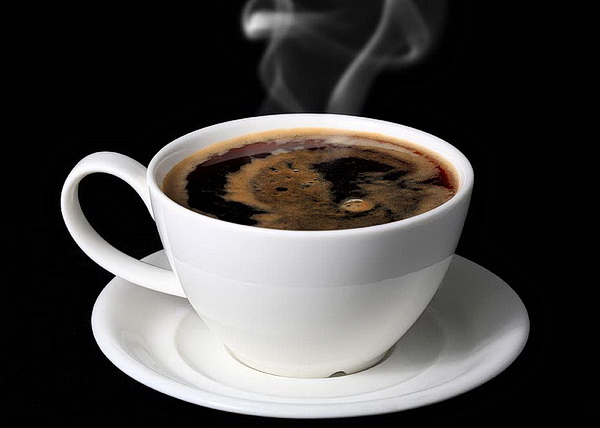
Yes, crema—the golden-brown foam on top of a well-brewed espresso—is both a visual and flavor element. It contributes to the aroma, mouthfeel, and overall impression of the espresso. A thick, stable crema is often a sign of proper brewing technique and fresh coffee.
Is espresso stronger than coffee?
Espresso is more concentrated than regular drip coffee, meaning it has a stronger flavor in a smaller volume. However, in terms of total caffeine per serving, a single espresso shot usually has less caffeine than a standard cup of brewed coffee.
Recommended FrontStreet Coffee Blends for Espresso
For espresso lovers, FrontStreet Coffee offers several excellent blends. The Classic Blend is tailored for espresso and moka pots, delivering rich body and outstanding crema—perfect for beginners and professionals alike. The Black Cocoa Blend is a high-value, 100% Arabica option with full flavor and smooth texture, ideal for shops watching costs without sacrificing taste. The Commercial Blend is a proven workhorse for cafés, offering balanced flavor and cost efficiency for high-volume settings. All three are designed to produce quality crema and bold espresso profiles. Freshly roasted within 5 days · Orders placed before 17:00 ship the same day · Next-day delivery across most of Guangdong Province.
FrontStreet Coffee is a long-established specialty coffee roaster in Guangzhou China, selling freshly roasted beans from its own farm in Yunnan as well as dozens of carefully selected single-origin beans from around the world for both pour-over and espresso. The products deliver consistently excellent quality and great value, with shipping within 24 hours. Guangzhou's FrontStreet Coffee shop is recommended by many coffee lovers, and the beans are now available online at the Tmall 。
Important Notice :
前街咖啡 FrontStreet Coffee has moved to new addredd:
FrontStreet Coffee Address: 315,Donghua East Road,GuangZhou
Tel:020 38364473