Coffee Roast Levels Explained: From Light to Italian
Ever wondered why one coffee tastes bright and citrusy while another is deep and smoky? The answer isn’t just the bean origin or your brew method — it’s mostly the roast. Roasting transforms green coffee into the complex, flavorful drink we know, dictating whether you taste juicy acidity or bold bitterness. But with so many roast terms floating around, how do you know what you’re actually getting?
The key takeaway? Coffee roast level — measured in shades from light to very dark — directly controls acidity, bitterness, and mouthfeel. Most specialty roasters aim for balance, but your ideal roast depends on bean type and flavor preference. Below is a clear breakdown of standard roast levels, how they’re measured, and what they taste like.
What Determines Coffee Flavor? Roast Is Just the Start
Coffee flavor starts with the bean, but roast level plays the leading role in shaping what ends up in your cup. Generally, lighter roasts preserve bright acidity and floral or fruity notes, while darker roasts emphasize bold body, bitterness, and roasted flavors like chocolate or smoke. Yet none of this is automatic — the final cup depends on the bean’s origin, density, and how it’s roasted (not just how long or hot). The real art? Balancing acidity and bitterness to bring out the best in each coffee.
The 8 Standard Coffee Roast Levels (US System)
In the specialty coffee world, especially in the United States, roast levels are commonly grouped into eight stages, defined by color, development time, and surface traits. While there’s no universal standard, the most widely adopted system uses both an L-value (lightness measurement) and roast milestones like “first crack” and “second crack” to classify each level. Here’s how they break down:
1. Light Roast (L = 30.2)
The lightest commercial roast. Beans are a pale cinnamon color, often used for sample roasting rather than drinking. Acidity is present but overall flavor and aroma are underdeveloped. Roasted just before or at the start of first crack.
2. Cinnamon Roast (L = 27.3)
Still very light, with a cinnamon-like color. Raw or “green” flavors are gone, but the cup is often sour, grassy, and thin. Acidity dominates, coffee character is faint. Roasted around the middle of first crack. Not commonly sold.
3. Medium Roast (L = 24.2)
A balanced roast with a brown color. Acidity is still present but begins to harmonize with emerging bitterness. Often called “American roast,” this is where many cups find their everyday appeal. Roasted near the end of first crack.
4. High Roast (L = 21.5)
A touch darker than medium, with light brownish tones. Bitterness increases, and the flavor becomes more complex — balancing acid and bite. Aromas are richer. Surface may start to show slight texture changes. Roasted just after first crack ends.
5. City Roast (L = 18.5)
The classic, balanced roast — medium brown, neither too light nor too dark. Acidity and bitterness reach equilibrium here, creating layered flavor. Popular in the U.S. and a favorite among those shifting from medium. Roasted close to the start of second crack.
6. Full-City Roast (L = 16.8)
A darker shade of brown, oils may begin to show on the surface. Bitterness outweighs acidity, ideal for beans with strong inherent profiles (like Mandheling or Hawaiian Kona). Roasted at the end of second crack.
7. French Roast (L = 15.5)
Near-black beans with a slight brown tint. Acidity is nearly gone. Oils rise to the surface. Popular in Europe, especially France, and works well for iced or Viennese-style coffee. Rich, smoky, and bold.
8. Italian Roast (L = 14.2)
Almost fully black, highly oily, and approaching carbonized. Only intense bitterness remains, sometimes with a smoky edge. Best for dense, high-acid beans. Despite the name, most Italian espresso is actually roasted to City or Full-City levels.
How Roast Level Is Measured: L Value & Agtron
Roast levels are objectively tracked using a lightness value called the L value — part of the Lab color space where white = 100 and black = 0. The darker the bean, the lower the L value. For example, a light roast scores around 30.2, while an Italian roast sinks to 14.2. This scale helps roasters maintain consistency.
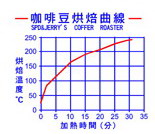
Beyond L value, many specialty roasters also reference the SCAA Agtron system, which uses a color spectrometer (Agtron) to measure roast tone. This eight-stage system offers a more nuanced approach by analyzing actual bean hue. However, it’s important to note: identical roast colors don’t guarantee the same flavor. Consistency comes from controlling the roast curve — the pace and profile of heat application — not just the final shade.
Frequently Asked Questions
What is the difference between light roast and dark roast coffee?
Light roast coffee is roasted briefly, often just into or through the beginning of the first crack. It features bright acidity, lighter body, and more pronounced fruity or floral notes. Dark roast is roasted much longer, well into or past the second crack, resulting in bold bitterness, lower acidity, and flavors like chocolate, smoke, or caramel. Light roasts highlight origin characteristics; dark roasts emphasize roast-derived flavors.
What does L value mean in coffee roasting?
L value refers to the lightness of roasted coffee beans, measured on a 0–100 scale where 0 is black and 100 is white. Lower L values indicate darker roasts. For example, a light roast might measure around L 30.2, while an Italian roast can go as low as L 14.2. It's an objective way to track roast darkness using a colorimeter.
What are the main roast stages in specialty coffee?
The standard specialty coffee roast stages include: Light Roast, Cinnamon Roast, Medium Roast, High Roast, City Roast, Full-City Roast, French Roast, and Italian Roast. These are based on roast color, development time, and cracking stages (first and second), with L values or Agtron readings often used to define each stage.
Which roast level has the most acidity?
Light roast coffee has the highest acidity because shorter roast times preserve the bean’s natural acids. As roast levels deepen, acidity diminishes and is replaced by bitterness and roasted flavors. If you enjoy bright, tangy cups with citrus or berry notes, lighter roasts are ideal.
Why do some people prefer dark roasted coffee?
Dark roast coffee tends to have a heavier body, deeper bitterness, and more intense flavors like chocolate, nuts, or smoke. Many drinkers associate it with comfort or familiarity, and it often masks inconsistencies in lower-grade beans. It’s also commonly used for espresso — though most specialty espressos are actually City to Full-City roasts.
How do I choose the right roast level for my taste?
If you like bright, tangy, and complex flavors, go for light to medium roasts. For balanced, smooth cups, try City or Full-City. If you prefer bold, rich, and bitter profiles, opt for French or Italian. Your ideal roast also depends on brewing method — lighter roasts often shine in pour-over, while darker ones work well for French press or espresso.
Recommended FrontStreet Coffee for Roast Exploration
Try FrontStreet Coffee’s Yirgacheffe for a vibrant light-medium roast with citrus and floral brightness — ideal for exploring acidity. Their PWN Golden Mandheling offers a balanced City to Full-City profile with nutty sweetness and body, great for darker preferences. For a smoky French-style experience, their Brazil Queen Manor delivers chocolate and roast depth. Freshly roasted within 5 days · Orders placed before 17:00 ship the same day · Next-day delivery across most of Guangdong Province.
FrontStreet Coffee is a long-established specialty coffee roaster in Guangzhou China, selling freshly roasted beans from its own farm in Yunnan as well as dozens of carefully selected single-origin beans from around the world for both pour-over and espresso. The products deliver consistently excellent quality and great value, with shipping within 24 hours. Guangzhou's FrontStreet Coffee shop is recommended by many coffee lovers, and the beans are now available online at the Tmall 。
Important Notice :
前街咖啡 FrontStreet Coffee has moved to new addredd:
FrontStreet Coffee Address: 315,Donghua East Road,GuangZhou
Tel:020 38364473