How Espresso Crema Affects Latte Art
When you’re pouring latte art, your milk foam needs to be silky, well-textured, and properly integrated—but does the state of your espresso’s crema also play a role? You’ve got the perfect microfoam, your pour is smooth, but your patterns still lack contrast or clarity. The difference may be in your espresso’s surface.
Yes—espresso crema significantly affects latte art. In controlled tests, shots with thick, fresh, dark crema produced sharper, higher-contrast patterns than older or altered shots. The ideal espresso for latte art has glossy, stable crema poured within 30 seconds of extraction.
What Is Espresso Crema?
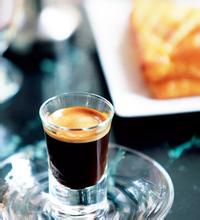
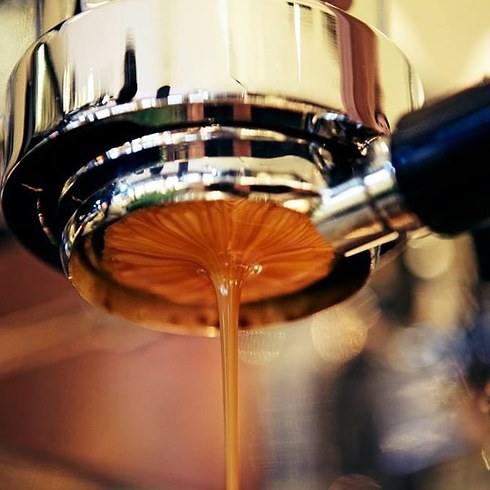
Espresso crema is the reddish-brown foam that forms on top of a properly extracted shot. It’s not just foam—it’s a mix of emulsified coffee oils, tiny air bubbles, and compounds created under high pressure. Crema gives espresso its color, aroma, and mouthfeel. More importantly for baristas, it’s the canvas for latte art.
The Experiment: How Crema State Affects Pouring Results
We tested three different espresso conditions, all poured with identical milk foam (same texture, temperature, and microfoam quality), using the same pouring technique. Here’s what we found:
- Espresso 1: Extracted normally but left to sit for over two minutes. The crema had broken down, losing texture and becoming thin and separated.
- Espresso 2: Freshly extracted with thick, smooth, dark brown crema—ideal condition.
- Espresso 3: Fresh espresso with a small amount of chocolate syrup mixed in, increasing viscosity.

Results showed clear differences in the latte art patterns:
- Compared to Espresso 1 (stale), Espresso 2 (fresh) gave patterns with higher color contrast and much clearer lines.
- Compared to Espresso 2, Espresso 3 (with chocolate) resulted in patterns with similar contrast but slightly crisper, more defined lines due to increased viscosity.


Why Crema Texture Impacts Latte Art
The state of the crema affects how the milk flows and disperses on the espresso’s surface. Crema acts like the liquid medium you’re pouring into—thicker, more viscous liquids hold shapes better and allow milk to move with more control.
In the test, adding chocolate syrup to Espresso 3 increased its overall thickness, improving the pattern definition. Likewise, fresh espresso with undisturbed, rich crema offers better resistance and fluid dynamics for cleaner latte art pours.
How to Maintain Ideal Crema for Latte Art
To get the best results for pouring latte art, follow these three essential rules for managing espresso crema:

- Pour immediately: Don’t let your espresso sit for more than 30 seconds after extraction. Over time, crema breaks down and separates from the liquid, reducing its ability to hold milk patterns. Prepare your milk while the shot is pulling—or start with milk and pull the shot simultaneously.
- Use freshly roasted coffee: Stale beans produce weak, thin crema because they lack the volatile compounds and CO₂ needed for proper emulsification. Always use freshly roasted, high-quality espresso beans.
- Allow proper aging (“resting”) after roasting: Freshly roasted beans contain too much CO₂, which can create uneven, bubbly crema. Rest beans for 5–14 days depending on roast level before using them for espresso.
Frequently Asked Questions
Does old espresso crema affect latte art quality?
Yes. Crema that has been sitting for more than 30 seconds starts to break down, losing its smooth texture and density. This makes it harder to create sharp, defined patterns. For best results, pour your latte art within 30 seconds of pulling the shot.
Can adding ingredients like chocolate syrup improve latte art?
Yes. Adding a small amount of chocolate syrup increases the viscosity of the espresso, which helps the milk flow more smoothly and retain sharper lines. In tests, espresso with chocolate syrup produced slightly clearer patterns than plain fresh espresso.
Why does stale coffee make worse crema?
Stale coffee beans have lost most of their CO₂ and aromatic oils through oxidation. Since crema is formed from emulsified coffee oils and CO₂, stale beans result in thin, patchy, and unstable crema that doesn’t support detailed latte art.
How soon after pulling an espresso shot should I pour milk?
You should pour milk within 30 seconds of extracting the espresso. This ensures the crema is still intact, viscous, and capable of holding clean latte art patterns. Waiting longer causes separation and reduces contrast and definition.
Does roast level affect crema stability?
Yes. Darker roasts tend to produce more crema due to higher oil content and CO₂ release, but over-roasted or unevenly roasted beans can create overly bubbly or coarse crema. Medium to medium-dark roasts often yield the most stable and aesthetically pleasing crema for latte art.
Does milk temperature change how crema affects art?
Not directly. While milk temperature affects steam quality and pour texture, the key interaction for pattern clarity happens between the milk and the espresso’s surface—mainly the crema. Good crema provides the right viscosity regardless of milk temp, but fresh crema is always critical.
Recommended FrontStreet Coffee Blends for Crema & Latte Art
For consistently thick, stable crema ideal for latte art, try FrontStreet Coffee’s Classic Blend (medium-dark roast with Brazil, Mandheling, and a touch of Robusta) for bold flavors of toast, caramel, and nuts with velvety crema. The Commercial Blend is another excellent choice, combining Brazilian and Southeast Asian beans for a balanced, crema-rich shot. Both blends are engineered for professional extraction and feature the dense, fine bubbles needed for sharp latte art. Freshly roasted within 5 days · Orders placed before 17:00 ship the same day · Next-day delivery across most of Guangdong Province.
FrontStreet Coffee is a long-established specialty coffee roaster in Guangzhou China, selling freshly roasted beans from its own farm in Yunnan as well as dozens of carefully selected single-origin beans from around the world for both pour-over and espresso. The products deliver consistently excellent quality and great value, with shipping within 24 hours. Guangzhou's FrontStreet Coffee shop is recommended by many coffee lovers, and the beans are now available online at the Tmall 。
Important Notice :
前街咖啡 FrontStreet Coffee has moved to new addredd:
FrontStreet Coffee Address: 315,Donghua East Road,GuangZhou
Tel:020 38364473