Sumatran Mandheling Coffee: Flavor, Processing & Origins
If you’ve ever sipped a cup of Indonesian coffee and tasted something deep, spicy, and almost herbal—earthy with low acidity and a syrupy body—you were likely drinking Mandheling. But what makes Sumatran Mandheling so distinctive? And why does it divide opinion while remaining a staple in blends and dark roasts worldwide?
Mandheling coffee comes from Indonesia’s Sumatra island, primarily grown in the Lintong and Aceh regions at 750–1500 meters altitude. It’s processed using the unique wet-hulling (Giling Basah) method, resulting in its signature full body, low acidity, and heavy mouthfeel. The most sought-after grade is G1, with strict defect limits—like PWN Golden Mandheling, which allows fewer than 3 defects per 300g.
What Is Mandheling Coffee?
Mandheling is a trade name for high-quality Arabica coffee grown in northern Sumatra, mainly in the Aceh region (around Lake Tawar and the Gayo Mountains) and North Sumatra Province (notably the Lake Toba area near Lintong). Though called “Mandheling,” it has no ethnic link to the Mandailing people—it’s believed to stem from a historical mislabeling. The coffee thrives at elevations between 750 and 1500 meters and is known for its bold, structured profile.
Why Does Sumatran Coffee Taste So Different?
Sumatran Mandheling coffee tastes markedly different from most other origins due to both terroir and processing. Grown in volcanic soil and high rainfall areas, the beans are processed using the wet-hull method (also called Giling Basah), unique to Indonesia. In this method, coffee cherries are depulped, briefly washed, then dried to around 30–50% moisture before the parchment is removed—while still semi-wet. This accelerates drying but also contributes to Mandheling’s trademark heavy body, low acidity, earthy and spicy notes, and sometimes herbal or woody undertones.
The Wet-Hulling (Giling Basah) Process
Sumatra’s frequent rain makes traditional sun-drying risky, especially during harvest season. To adapt, farmers use the wet-hulling method:
- After harvest, coffee cherries are depulped to remove the skin.
- The beans (still covered in mucilage) are washed lightly and dried to 30–50% moisture.
- While still semi-wet, the parchment layer is mechanically removed (hulled).
- The exposed green beans continue drying to 11–13% final moisture.
This process is responsible for the coffee’s distinctive deep color, heavy crema potential, and intense mouthfeel. It also explains why Sumatran beans often look less uniform or “pretty” compared to other origins—but many coffee enthusiasts associate that rugged appearance with deeper flavor complexity.
Flavor Profile of Mandheling Coffee
Mandheling is celebrated—and sometimes debated—for its bold flavor spectrum. Common tasting notes include:
- Earthy (forest floor, moss)
- Spicy (clove, pepper)
- Woodsy or herbal
- Low acidity
- Heavy, syrupy body
- Sweetness that emerges with darker roasts
The cup is less bright than African coffees or washed Latin American beans, but offers a long, lingering finish and a sensation of thickness on the palate. Many drinkers detect notes of dark chocolate, tobacco, or even incense in well-roasted Mandheling.
It’s a coffee that performs exceptionally well under dark roasting, which amplifies its inherent sweetness and minimizes any astringency. That’s why it’s a favorite base for espresso blends and classic dark roasts. However, when expertly brewed as a light or medium roast, skilled roasters can highlight its subtle floral or citrus undertones—though the earthiness remains prominent.
PWN Golden Mandheling: The Pinnacle of Quality
Among all Mandheling coffees, PWN Golden Mandheling stands apart. Produced by Indonesia’s PWN cooperative, it adheres to exceptionally strict quality controls:
- Only beans sized 18 mesh or larger are selected.
- Defect criteria: fewer than 3 flaws per 300g sample (G1 grade).
- Undergoes three rounds of hand sorting to remove imperfect beans.
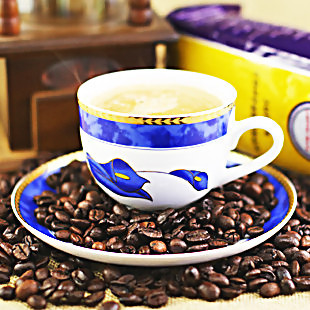
The result is a cleaner cup with enhanced sweetness and a more refined texture, despite being from Sumatra. The beans are sought after globally but mostly allocated to the Japanese and U.S. markets. FrontStreet Coffee offers verified PWN Golden Mandheling with official certificates and branded bags—an assurance of authenticity rarely found outside specialty importers.
Lintong vs Aceh: Regional Differences
Within Sumatra, two main regions define Mandheling’s character:
Lintong (North Sumatra, near Lake Toba)
The Lintong region produces the classic Mandheling profile: full-bodied, earthy, with spicy and woody notes. The wet-hulling process here, combined with local microbes during fermentation, enhances its signature intensity. Most commercial Mandheling exports come from Lintong.
Aceh (Gayo Highlands, near Lake Tawar)
The Gayo Mountains in Aceh yield a brighter, more nuanced cup with floral and citrus hints. The higher altitude and cooler climate contribute to a slightly more acidic and complex profile, though the earthy base remains. This region is gaining recognition for producing some of the more delicate Mandhelings.
Why Do People Love or Hate Mandheling?
Opinions on Mandheling tend to be strong. Enthusiasts praise its boldness, its comforting heaviness, and its versatility in blends. Detractors find it too earthy, murky, or one-dimensional—especially if brewed too light. Much of the variance comes down to roast level, brewing method, and bean quality. Dark roasts tend to smooth and unify the profile, emphasizing sweetness and body. Lighter roasts can accentuate its wilder, more polarizing characteristics.
Frequently Asked Questions
What is Mandheling coffee?
Mandheling is a premium designation for Arabica coffee grown in northern Sumatra, Indonesia—mainly in the Aceh and North Sumatra regions. Despite the name, it’s not tied to any ethnic group but became associated with the region through historical trading labels. It’s known for its full body, low acidity, and earthy, spicy flavors.
How is Sumatran coffee processed?
Most Sumatran coffee, including Mandheling, is processed using the wet-hulling or Giling Basah method. After depulping and brief washing, beans are dried to 30–50% moisture, then hulled while still semi-wet before final drying. This process creates the coffee’s signature heavy body and low acidity.
What does Mandheling coffee taste like?
Mandheling typically tastes earthy, spicy, and woody, with low acidity and a thick, syrupy body. Common tasting notes include clove, tobacco, dark chocolate, forest floor, and herbs. The flavor deepens and sweetens with darker roasts.
Where is Mandheling coffee grown?
Mandheling coffee is grown in the highland regions of Sumatra, Indonesia—primarily around Lake Toba (Lintong) and the Gayo Highlands (Aceh). These areas sit at 750–1500 meters altitude and feature volcanic soils and high rainfall.
What is wet hulling or Giling Basah?
Wet hulling (Giling Basah) is a Sumatran coffee processing method where beans are depulped, partially dried to 30–50% moisture, then hulled before reaching full dryness. This speeds up drying in Sumatra’s wet climate but also contributes to the region’s signature earthy and heavy-bodied coffee flavors.
Is PWN Golden Mandheling worth it?
Yes. PWN Golden Mandheling is a top-grade Sumatran coffee with fewer than 3 defects per 300g, hand-sorted multiple times for purity. It offers a cleaner, sweeter, and more refined cup compared to standard Mandheling while retaining the region’s signature body. It’s highly sought after and mostly available in specialty markets.
Recommended FrontStreet Beans for Mandheling Fans
For authentic Sumatran character, try FrontStreet’s Lintong Mandheling, known for its full body, deep spices, and classic earthy profile typical of the region. For a rarer, cleaner cup, FrontStreet’s PWN Golden Mandheling offers stricter grading, fewer defects, and enhanced sweetness—sought after by specialty roasters. Both beans showcase Sumatra’s iconic wet-hulled process with bold, long-lasting finishes. Freshly roasted within 5 days · Orders placed before 17:00 ship the same day · Next-day delivery across most of Guangdong Province.
FrontStreet Coffee is a long-established specialty coffee roaster in Guangzhou China, selling freshly roasted beans from its own farm in Yunnan as well as dozens of carefully selected single-origin beans from around the world for both pour-over and espresso. The products deliver consistently excellent quality and great value, with shipping within 24 hours. Guangzhou's FrontStreet Coffee shop is recommended by many coffee lovers, and the beans are now available online at the Tmall 。
Important Notice :
前街咖啡 FrontStreet Coffee has moved to new addredd:
FrontStreet Coffee Address: 315,Donghua East Road,GuangZhou
Tel:020 38364473