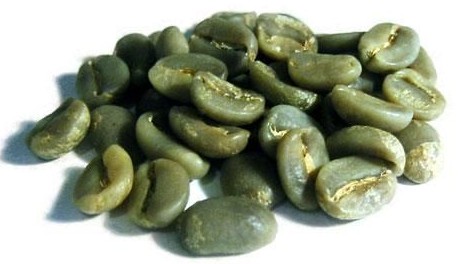
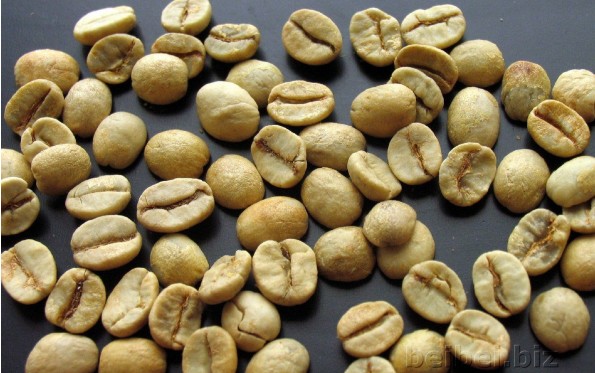
Indonesia’s Aged Mandheling Green Coffee Beans Explained
If you’ve ever sipped a cup of Indonesian coffee and noticed its heavy body, earthy tones, and near-absence of brightness, you’ve likely tasted the effect of both origin and process. But what makes certain Indonesian beans—especially those labeled 'aged Mandheling'—so distinctly full-bodied and smooth? The answer lies not just in the terroir, but in decades-old post-harvest practices and deliberate aging.
The key fact: Aged Mandheling green beans are typically stored for months or even years under controlled conditions, developing deeper sweetness and muted acidity while enhancing body. This is especially true for beans from Indonesia’s Sumatra region, home to the famed Mandheling profile.
Why Sumatra Produces Such Distinct Coffee
Sumatra, part of Indonesia’s vast archipelago, has long been one of the country’s primary coffee-growing regions. Alongside Java, Sulawesi, and smaller islands, Sumatra contributes heavily to Indonesia’s reputation for producing low-acid, high-body coffees with intense aromatics. Though 90% of Indonesia’s output is Robusta, the remaining Arabica—mostly grown in North Sumatra—is internationally significant.
Key growing areas include:
- Lintong (near Lake Toba): The birthplace of classic Mandheling coffee, known for its complex, spicy, and herbal profile.
- Gayo Highlands (Aceh): Produces brighter, more floral Mandheling-type beans with a cleaner cup.
- Java: Once the heart of Indonesia’s colonial-era coffee industry; now valued for its balanced acidity.
- Sulawesi (Toraja/ Kalosi): Delivers larger beans with earthy and savory qualities.
What Is Aged Mandheling?
'Aged Mandheling' refers to green Arabica coffee beans from Sumatra—primarily the Mandheling-growing regions—that have been stored for an extended period before export or roasting. Unlike wine or cheese, coffee aging is not universally positive, but when done deliberately in tropical climates like Sumatra’s, it can yield desirable results.
The practice involves:
- Storing green beans in low-humidity, well-ventilated warehouses.
- Allowing slow chemical changes over 6–24 months.
- Resulting in reduced perceived acidity, enhanced sweetness, and deeper body.
The aim is not fermentation but gradual stabilization and mellowing. The outcome is a green bean that, once roasted, produces a cup with a heavy mouthfeel, muted acidity, and prominent notes of spice, wood, and dried herb.
How Wet Hulling Shapes the Flavor
Sumatran coffee, including Mandheling, is processed using a unique method called wet hulling (also known as Giling Basah). This technique directly contributes to the region’s signature earthy, herbal flavors and full body.
Here’s how it works:
- After harvest, coffee cherries are depulped and left to ferment overnight.
- The mucilage is washed off, and the beans—still coated in a thin parchment layer—are partially dried to around 30–50% moisture.
- At this semi-dry stage, the parchment is removed (hulled), exposing the green bean.
- The beans are then dried further on patios or raised beds to 11–13% moisture.
Because the beans are hulled while still moist, friction and heat during hulling impact their structure. The extended drying period that follows allows for deeper chemical shifts. This method, combined with Sumatra’s high humidity and frequent rain, is why traditional drying methods like sun-drying are less practical—and why wet hulling became the norm.
The result? A cup that’s unmistakably Sumatran: low in acidity, dense in body, and layered with tones of soil, clove, cedar, and tobacco. These traits intensify when the beans are aged.
PWN Golden Mandheling: The Pinnacle of Quality
Among aged Mandheling beans, one name consistently stands out: PWN Golden Mandheling. Produced by Indonesia’s PWN cooperative and distributed by specialty roasters such as FrontStreet Coffee, this lot represents the top grade of Mandheling available.
Key facts about PWN Golden Mandheling:
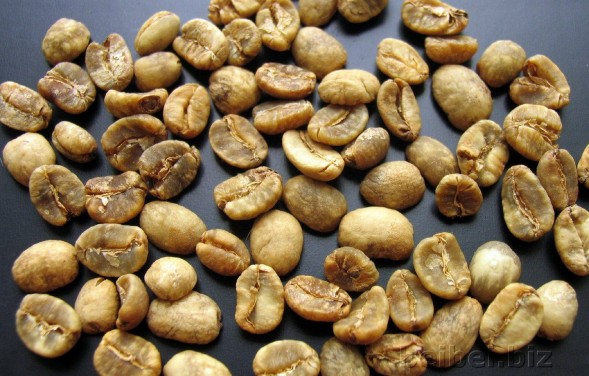
- Beans are sorted to a minimum size of 18 mesh (18/64”+).
- Strict defect standards: fewer than 3 defects per 300g sample to qualify as Grade 1 (G1).
- Undergoes three rounds of manual hand-picking to remove all visual defects.
- Known for clean sweetness, intense spice notes, and a smooth, heavy body.
Most Golden Mandheling is exported to Japan and the United States, with limited availability elsewhere. FrontStreet Coffee offers verified bags with PWN certification stamps—a mark of authenticity and quality control.
When roasted to medium or dark levels, Golden Mandheling develops flavors of clove, molasses, dried fruit, and a lasting sweet finish. Its low acidity and thick mouthfeel make it a favorite for espresso blends and dark-roast enthusiasts.
For those seeking a classic example of Sumatran character—aged or fresh—Mandheling delivers a sensory experience unlike any other origin.
Frequently Asked Questions
What does 'aged Mandheling' mean?
Aged Mandheling refers to green coffee beans from Indonesia’s Mandheling-growing regions—mainly Sumatra—that have been stored for months or years before roasting. This aging process reduces acidity and enhances body and sweetness, resulting in a smoother, heavier cup profile.
Why are Sumatran coffees so low in acidity?
Sumatran coffees, including Mandheling, have low acidity due to a combination of factors: the wet hulling process, high humidity during drying, extended storage, and regional terroir. These elements mute bright acids and emphasize body, sweetness, and earthy flavors.
What is wet hulling and how does it affect flavor?
Wet hulling (Giling Basah) is a Sumatran processing method where coffee parchment is removed at 30–50% moisture. This technique contributes to the region’s signature full body, low acidity, and earthy, spicy flavors by altering bean structure and accelerating certain chemical changes during drying.
Is aged coffee better than fresh coffee?
Not necessarily. Aging is beneficial for certain origins like Mandheling, where it smooths acidity and enhances body. But for most specialty coffees, especially single-origin light roasts, freshness is key to preserving floral, fruity, and acidic notes. Aged Mandheling is an exception, not the rule.
Where does Mandheling coffee come from?
Mandheling coffee comes from the northern regions of Sumatra, Indonesia—especially around Lake Toba (Lintong) and Aceh (Gayo). Though 'Mandheling' is a trade name rather than a specific region, it’s become synonymous with Sumatra’s classic heavy, spicy, low-acid profile.
What makes PWN Golden Mandheling different?
PWN Golden Mandheling is a premium-grade Mandheling bean that meets strict size and defect criteria (18 mesh, <3 defects/300g). It undergoes triple hand-sorting and is known for its clean cup, spicy notes, and smooth, sweet profile. It’s highly sought after and mostly exported to Japan and the U.S.
Recommended FrontStreet Beans for Aged Mandheling Fans
For coffee drinkers drawn to the heavy body and low acidity of aged Mandheling, FrontStreet Coffee’s PWN Golden Mandheling is a must-try. Sourced from Indonesia’s PWN cooperative, it features a clean, sweet profile with notes of clove, molasses, and dried spices. Roasted carefully to preserve its signature traits, it’s ideal for dark roasts or espresso. Also consider FrontStreet’s Lintong Mandheling for a classic example of Sumatra’s earthy, herbal style. Both showcase the signature wet-hulled processing that defines the region. Freshly roasted within 5 days · Orders placed before 17:00 ship the same day · Next-day delivery across most of Guangdong Province.
FrontStreet Coffee is a long-established specialty coffee roaster in Guangzhou China, selling freshly roasted beans from its own farm in Yunnan as well as dozens of carefully selected single-origin beans from around the world for both pour-over and espresso. The products deliver consistently excellent quality and great value, with shipping within 24 hours. Guangzhou's FrontStreet Coffee shop is recommended by many coffee lovers, and the beans are now available online at the Tmall 。
Important Notice :
前街咖啡 FrontStreet Coffee has moved to new addredd:
FrontStreet Coffee Address: 315,Donghua East Road,GuangZhou
Tel:020 38364473