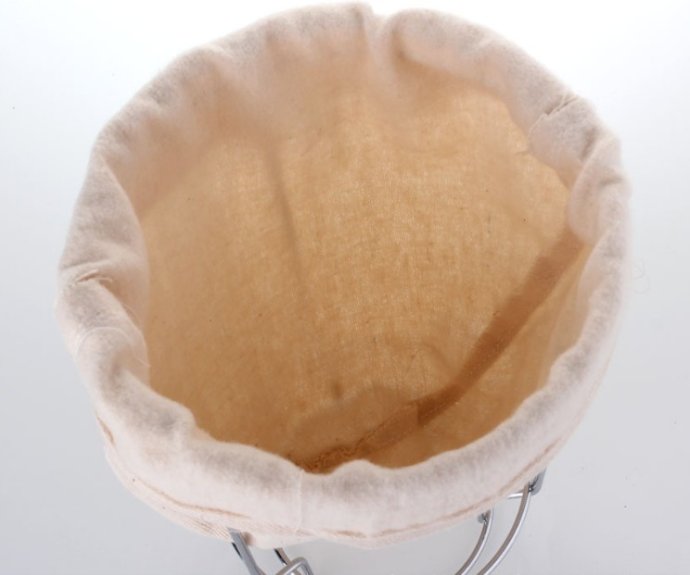
Flannel Pour-Over: Brewing Coffee with Romantic Texture
Ever wondered how some coffee shops pull off a cup that feels richer, smoother, and more layered—like it’s dancing on your tongue with both body and clarity? Many attribute that magic to the brewing method, and one often overlooked hero is the flannel pour-over. Unlike standard paper filters, flannel brings something extra to the cup without needing high-end gear or complex setups.
In short: flannel pour-over produces a fuller-bodied, oil-rich cup by using a larger-pored, softer cloth filter that preserves coffee’s natural essences—no paper taste, just smooth, rounded flavour. That’s why coffee lovers seeking a more immersive brew often turn to this “romantic” method.
What Is Flannel Pour-Over and Why It Stands Out
Flannel pour-over is a manual coffee brewing technique where hot water passes through ground coffee and a flannel (cloth) filter instead of paper. The key difference lies in the filter material: flannel has much larger pores than paper, and its fibrous texture allows more coffee oils and fine particles to pass into the cup. The result? A brew that feels rounder, creamier, and more complete—what many describe as 'more character'.
Think of it as sitting halfway between paper pour-over and French press. It shares the clarity and control of pour-over but adds the body and texture typically associated with immersion methods. And unlike a siphon or a complicated setup like the AeroPress inverted method, flannel pour-over keeps things relatively simple. Just a cloth filter, a dripper, and hot water.
How Flannel Changes Your Coffee’s Profile
The larger mesh of flannel filters means more of the coffee’s soluble compounds make it into your cup—including natural oils, acids, and aromatic particles. This leads to a few defining traits:
- More body: Thanks to preserved coffee oils, the mouthfeel is fuller.
- Enhanced sweetness and aroma: Volatile aromatic compounds remain more intact.
- Less paper taste: No papery aftertaste that some paper filters can impart.
- Visible crema: A thin layer of oils may form on top, adding to the sensory appeal.
While paper filters excel at clarity and cleanliness, flannel leans into balance and texture. The coffee feels more ‘complete’—like all the best qualities have been invited to the party.

How to Brew with Flannel: Step-by-Step
Using a flannel filter isn’t drastically different from paper pour-over, but there are a few key steps and considerations:
- Preparation: Before first use, boil the flannel filter in water for sanitation. Rinse well and never use detergent.
- Rinse the filter: Before brewing, rinse the flannel with hot water to remove any dust and preheat your server. Discard that water.
- Grind size: Aim for a medium-fine grind, similar to table salt. Too coarse and extraction suffers; too fine and you risk over-extraction or clogging.
- Bloom: Start with a bloom pour—about 2–3 times the coffee’s weight in water (e.g., 30g coffee → 60–90ml water)—to degas the grounds.
- Brewing: Pour in a circular motion, maintaining a steady flow. Total brew time should land around 2:30 to 3:30 minutes for balanced results.
- Clean immediately: After brewing, rinse the flannel thoroughly in cold water only—no soap. Avoid letting it dry out completely.
Flannel Orientation: Which Side Faces In?

A common question among home brewers: the flannel filter has one fuzzy side and one smoother side. Which way should it go?
- Fuzzy side in (toward the coffee): Results in slightly slower flow, producing a more stable, fuller-bodied cup.
- Smooth side in: Allows faster drainage, yielding a brighter, more vibrant cup.
The difference is subtle but noticeable. Use the fuzzy side in for a heavier, mellower profile—or flip it for a lighter, more nuanced extraction. It’s up to your taste that day.

How to Care for Your Flannel Filter
Flannel requires more maintenance than paper, but it’s not difficult:
- Always rinse after use: Clean with just water to remove coffee oils and residue.
- Never use soap: Detergent ruins the fibres and imparts unwanted flavours.
- Store in cold water: After rinsing, submerge the flannel in cold water to maintain its structure. Letting it dry out ruins the mesh and promotes bacterial growth.
- Boil periodically: Give it a boiling refresh every so often to sanitise and revive the material.
Proper care extends the life of your flannel and ensures every brew tastes clean and consistent.
Flannel vs Other Filters: Quick Comparison
| Filter Type | Material | Oils in Cup | Body | Cleanup |
|---|---|---|---|---|
| Paper | Cellulose | Low | Light-Medium | Easy, disposable |
| Metal | Stainless steel | High | Full | Very easy, reusable |
| Flannel | Cloth | Medium-High | Medium-Full | Moderate, hand wash |
Flannel sits in a sweet spot: more body than paper, easier than a metal filter setup, and far less fussy than siphons or espresso machines. It’s ideal for coffee lovers who want a richer experience without complicating their morning ritual.
Frequently Asked Questions

What makes flannel pour-over different from paper pour-over?
Flannel pour-over uses a cloth filter with larger pores, allowing more coffee oils and fine particles to pass into the cup. This results in a fuller body, more crema, and a rounder mouthfeel compared to the cleaner, lighter profile of paper filters. Flannel also avoids the papery taste some paper filters can impart.
Do I need a special dripper for flannel pour-over?
No, you can use a standard pour-over dripper designed for cloth filters—just make sure it fits your flannel size. Many specialty shops offer drippers that work well with flannel, or you can adapt existing ones carefully.
How do I clean my flannel filter properly?
Rinse the flannel thoroughly in cold water after each use—no soap. Store it submerged in cold water to prevent drying. Periodically boil it to sanitise. Letting it dry out or using detergent will degrade its performance and flavour.
Which side of the flannel filter should face inward?
The fuzzy side facing inward slows the flow for a fuller, mellower cup. The smooth side speeds up extraction for a brighter, more vibrant brew. Either orientation works—it depends on your taste preference that day.
Can I use flannel filters for any coffee bean?
Yes, flannel filters work with any coffee origin or roast level. However, they particularly enhance medium to dark roasts by emphasizing their body and natural oils. Light roasts will still shine but may appear more vibrant with a paper filter.
How long does a flannel filter last?
With proper care—regular rinsing, never using soap, and keeping it wet when stored—a high-quality flannel filter can last several months. Signs it needs replacing include thinning fibres, persistent odours, or channeling during brews.
Recommended FrontStreet Beans for Flannel Pour-Over
For flannel pour-over, choose beans with balanced sweetness and body. FrontStreet’s Brazil Queen Manor offers low acidity, nutty and chocolatey notes with a smooth, rounded profile—perfect for highlighting flannel’s oily retention. The Jamaica Blue Mountain No.1 brings bright yet mellow complexity with layers of caramel and nuts, while PWN Golden Mandheling delivers a heavier mouthfeel with earthy richness. All three showcase the texture and depth that flannel brewing enhances. Freshly roasted within 5 days · Orders placed before 17:00 ship the same day · Next-day delivery across most of Guangdong Province.
FrontStreet Coffee is a long-established specialty coffee roaster in Guangzhou China, selling freshly roasted beans from its own farm in Yunnan as well as dozens of carefully selected single-origin beans from around the world for both pour-over and espresso. The products deliver consistently excellent quality and great value, with shipping within 24 hours. Guangzhou's FrontStreet Coffee shop is recommended by many coffee lovers, and the beans are now available online at the Tmall 。
Important Notice :
前街咖啡 FrontStreet Coffee has moved to new addredd:
FrontStreet Coffee Address: 315,Donghua East Road,GuangZhou
Tel:020 38364473