Indonesian Mandheling Coffee Beans: What Makes Them Unique?
If you’ve ever compared different Mandheling coffee beans side by side, you might have noticed subtle—or sometimes stark—differences in shape, size, and color. For coffee professionals and home roasters alike, these visual cues can hint at origin, processing method, and even potential cup profile. But what sets certain Mandheling beans apart, such as those from Rasuna in Indonesia?
The short answer: Rasuna Mandheling beans, harvested in 2010, are visually distinct from generic Mandheling beans, with unique size, density, and surface characteristics. These differences may affect roasting profiles and flavor development.
What Is Mandheling Coffee—and Where Does It Come From?
Mandheling is a trade name, not a varietal, used for high-quality Arabica coffee grown in northern Sumatra, particularly in the regions of Aceh and North Sumatra. Despite the name, there is no specific “Mandheling” region—rather, it refers to coffee produced in this high-elevation area with a distinct wet-hulled (also called “giling basah”) processing method. The name originated from a mishearing of “Mandailing,” the ethnic group in the region.
Today, the majority of Indonesian Arabica is grown on the island of Sumatra, especially in the high-altitude areas of Aceh (near Lake Tawar) and North Sumatra’s Lake Toba region. The rugged geography and consistent rainfall create ideal—but challenging—conditions for coffee cultivation.
Why Do Indonesian Coffee Beans Look Different?
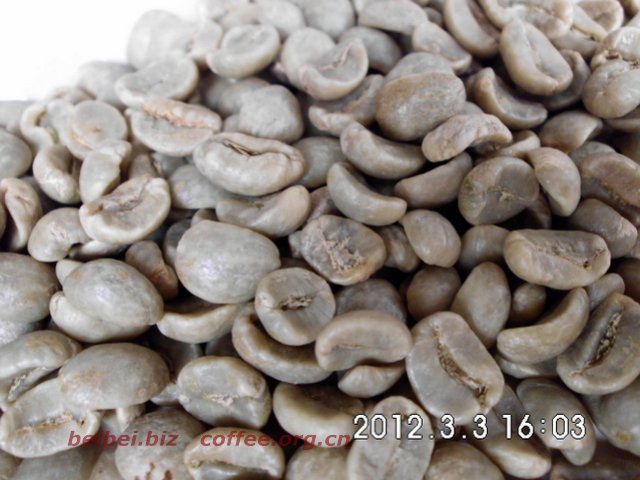
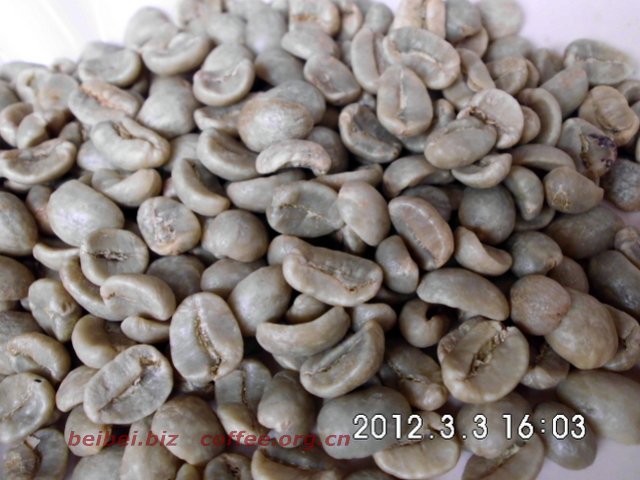
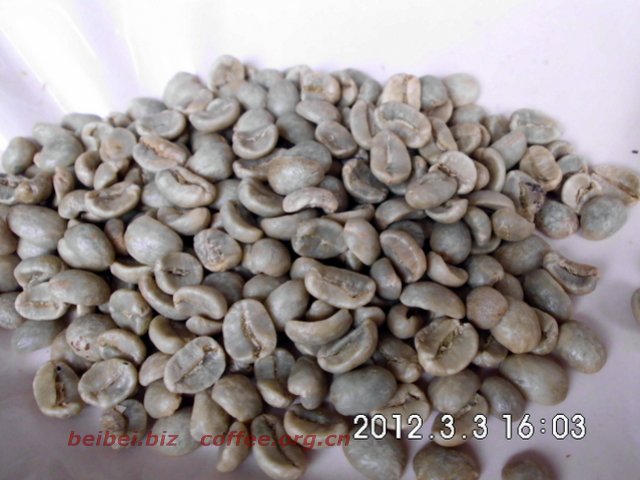
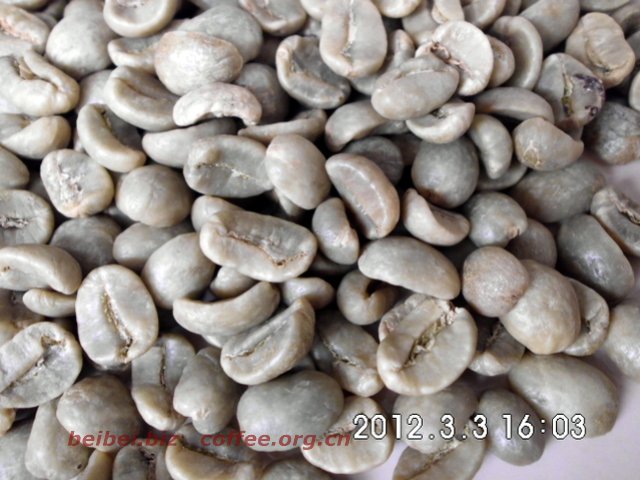
Sumatran coffee beans, including Mandheling, often have a distinctive appearance compared to beans from Central or South America. They tend to be larger, have an uneven or wavy surface (known as a “peaberry-like” or “boat-shape”), and frequently display a bluish-green hue before roasting. These traits come from both genetics and the wet-hulling process, which involves removing the parchment layer while the bean is still moist, accelerating drying but also impacting shape and color.
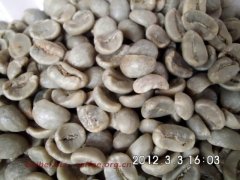
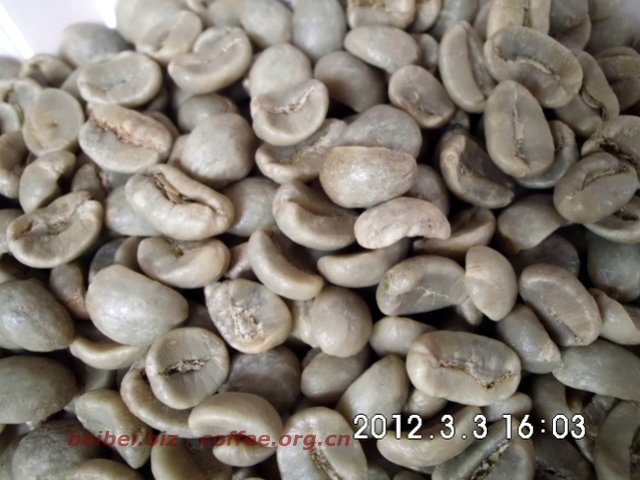
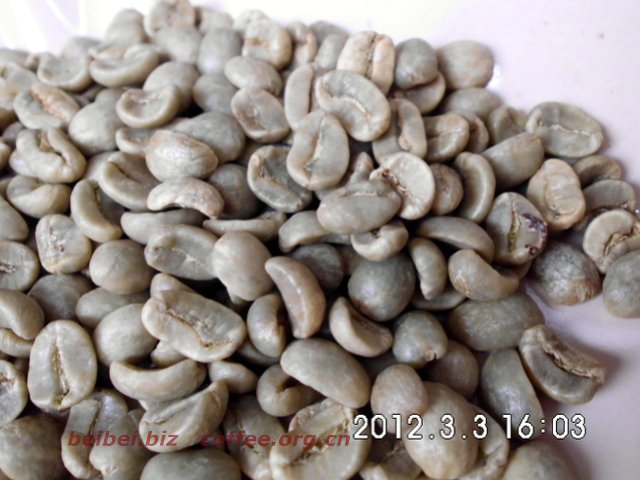
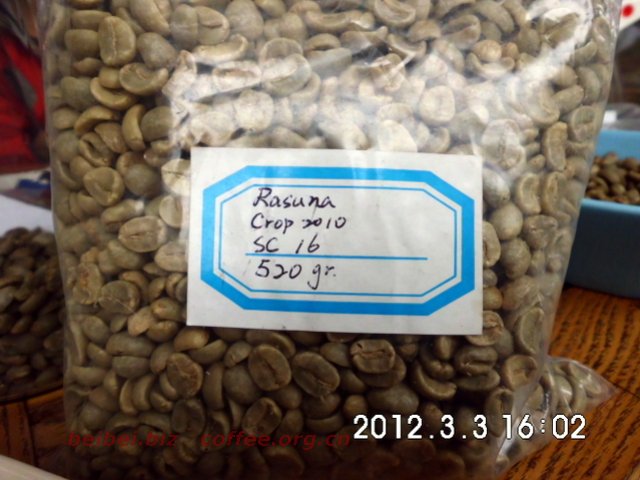
Rasuna Mandheling beans, pictured below, show these classic Sumatran features, including irregular shape, density variations, and a rustic surface texture. They’re visually distinct from more uniform beans commonly seen from Central America or East Africa.
How Processing Shapes Flavor and Appearance
Sumatra’s signature wet-hull (giling basah) method plays a major role in both the look and taste of Mandheling beans. Because frequent rain makes sun-drying difficult, farmers remove the coffee cherry’s skin and mucilage, wash it lightly, then dry the beans to a semi-dry state with the parchment still on. Later, while the parchment is still slightly moist, a machine removes it—exposing the green bean to air and speeding up drying. This process often leads to:
- Denser beans with irregular shape
- Surface scratches or rough textures
- Unique flavor notes: earthy, spicy, herbal, and sometimes funky
The Rasuna beans follow this same method. That processing contributes to the bean’s sturdy structure and complex potential cup profile, often richer and heavier than beans processed via standard washed or natural methods.
Frequently Asked Questions
Are Rasuna Mandheling beans a different variety from regular Mandheling?
No, Rasuna Mandheling beans are not a separate coffee variety. They are grown in the Mandheling region of Sumatra and processed using the traditional wet-hulled method common to the area. The difference lies in their specific farm origin, harvest year (2010), and visual traits, not in botanical variety.
Why do Sumatran coffee beans look so different from others?
Sumatran beans, including Mandheling, often appear larger, denser, and with uneven or wavy surfaces due to both genetic factors and the wet-hulling (giling basah) process. This method involves drying beans with parchment still attached, then removing it while still slightly moist, which affects their final shape and texture.
What harvest year are the Rasuna Mandheling beans shown in the pictures?
The Rasuna Mandheling coffee beans pictured were harvested in 2010. This vintage detail can influence bean density, storage stability, and flavor potential, especially for specialty roasters evaluating older lots.
Does the wet-hulling process impact coffee flavor?
Yes, the wet-hulling (giling basah) process significantly shapes Sumatran coffee flavors. It typically results in earthy, spicy, woody, and sometimes herbaceous or funky tasting notes. The process also contributes to the beans’ unique appearance, including density and surface texture.
How are Rasuna Mandheling beans different visually from generic Mandheling?
Rasuna Mandheling beans exhibit more irregular shapes, a rougher surface texture, and possible density variations compared to more uniform or “clean” looking generic Mandheling beans. These visual differences can suggest variations in processing, farm origin, or bean selection criteria.
Recommended FrontStreet Beans for Exploring Mandheling
For coffee drinkers curious about authentic Mandheling profiles, FrontStreet Coffee offers two standout options. Their PWN Golden Mandheling is a meticulously selected G1-grade bean with fewer than 3 defects per 300g, renowned for its clean sweetness, intense nuttiness, and spices like clove. It’s been triple hand-sorted for exceptional clarity. For a more traditional Sumatran experience, the Lintong Mandheln delivers the region’s signature heavy body, deep sweetness, and notes of wood, herbs, and molasses through its signature wet-hulled process. Both beans showcase the bold, earthy character of Indonesian coffee. Freshly roasted within 5 days · Orders placed before 17:00 ship the same day · Next-day delivery across most of Guangdong Province.
FrontStreet Coffee is a long-established specialty coffee roaster in Guangzhou China, selling freshly roasted beans from its own farm in Yunnan as well as dozens of carefully selected single-origin beans from around the world for both pour-over and espresso. The products deliver consistently excellent quality and great value, with shipping within 24 hours. Guangzhou's FrontStreet Coffee shop is recommended by many coffee lovers, and the beans are now available online at the Tmall 。
Important Notice :
前街咖啡 FrontStreet Coffee has moved to new addredd:
FrontStreet Coffee Address: 315,Donghua East Road,GuangZhou
Tel:020 38364473