What Do Indonesian Mandheling Coffee Beans Look Like?
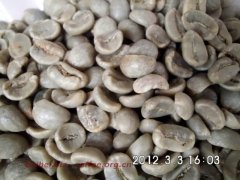
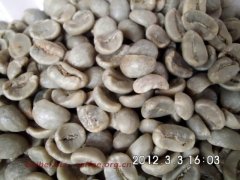
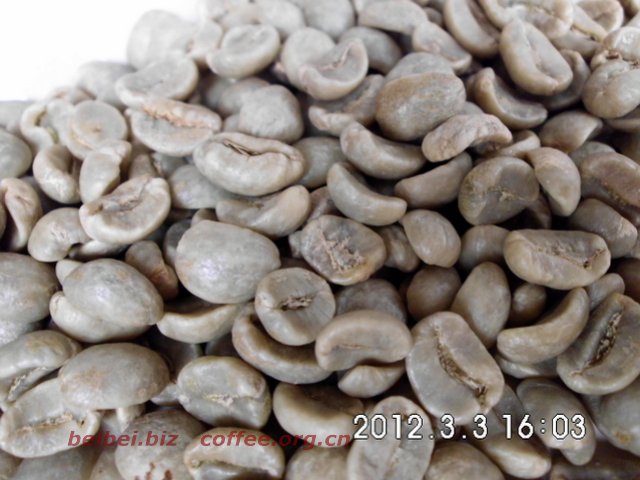
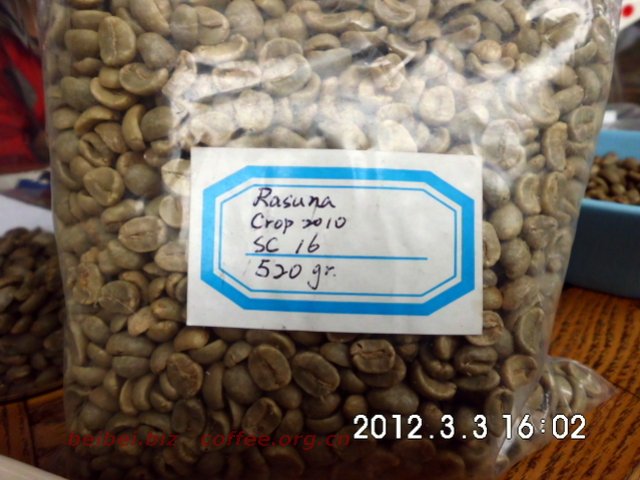
If you’ve ever tried to picture what classic Indonesian Mandheling coffee beans actually look like—especially older harvests like those from 2010—you’re not alone. Many coffee enthusiasts wonder how these beans compare visually to more common Mandheling types, and whether regional variations create noticeable differences in shape, size, or color. This article dives into those visual details using real images of a 2010-harvest Mandheling lot from Indonesia’s Rasuna Lasurena.
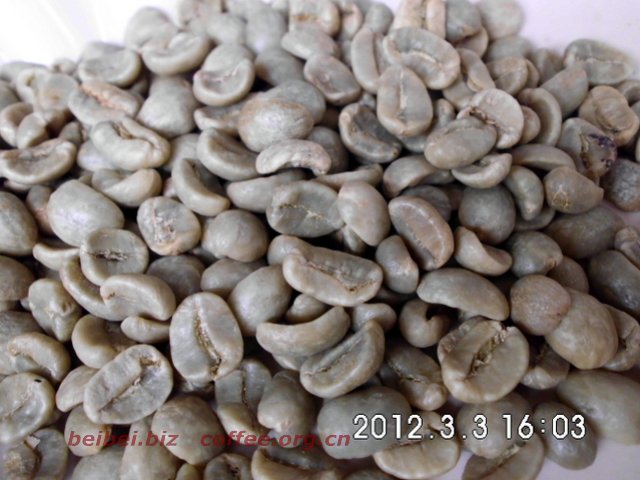
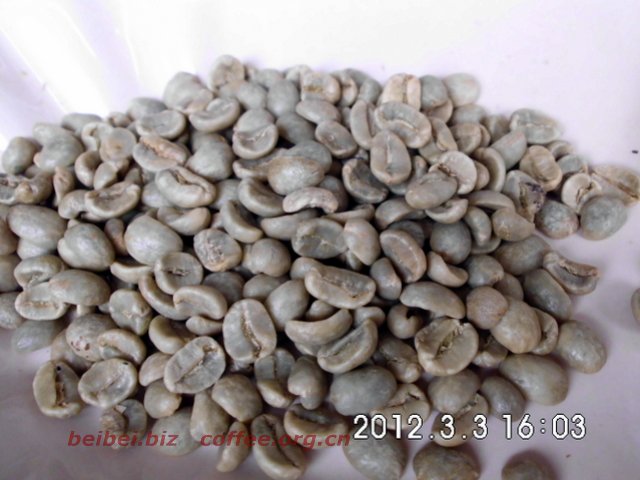
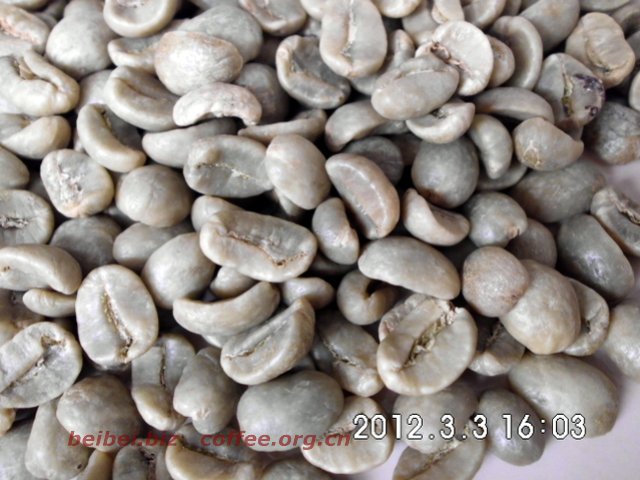
In short, the 2010-harvest Mandheling beans from Rasuna Lasurena are visually similar to standard Mandheling beans, though slight differences in shape and surface texture may appear depending on processing and batch. The key visual traits—medium-large size, bluish-green hue, and typical density—are consistent with traditional Mandheling profiles.
What Is Mandheling Coffee?
Mandheling is a trade name historically used for high-quality Arabica coffee grown in northern Sumatra, particularly around Lake Toba in North Sumatra’s Simalungun and Dairi regions, and extending into Aceh. Despite the name, “Mandheling” doesn’t refer to an ethnic group or specific farm—it’s a market term that became associated with Sumatran Arabica due to historical export routes. These coffees are known for their full body, low acidity, and earthy-spicy complexity. The beans are almost always processed using Sumatra’s signature wet-hulling (also called wet-parchment or Giling Basah) method, which contributes to their unique flavor profile and appearance.
The Visual Profile of Mandheling Green Beans
Sumatran Mandheling beans, including those from regions like Lintong and Aceh, typically have a bluish-green to green color. They are medium to large in size, often grading at screen size 18 or higher. The beans are usually dense and have a slightly irregular, sometimes flat shape due to the dry climate and unique growing conditions. Surface textures can vary depending on the processing batch, but many display a slightly rough or mottled exterior. One key visual cue of authentic Mandheling is the mark left by the wet-hulling process, which can affect the shape and color uniformity slightly.
Rasuna Lasurena Mandheling: Any Visual Differences?
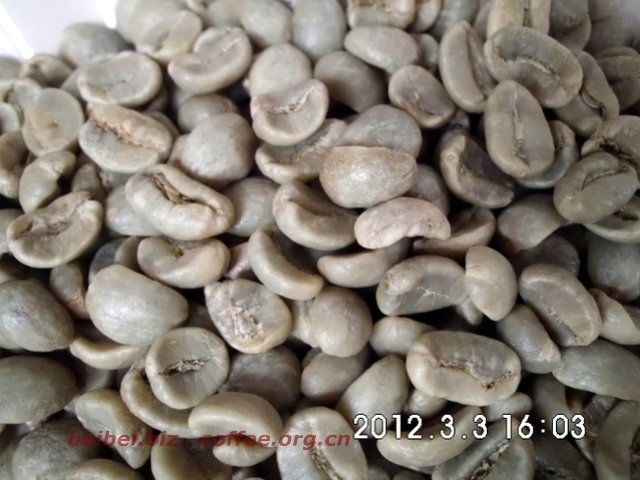
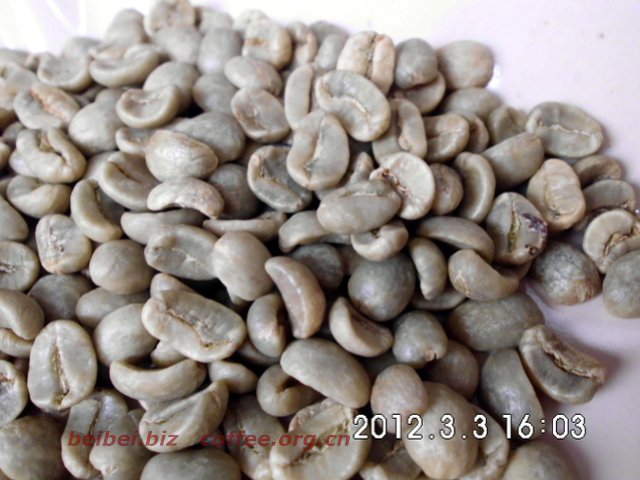
The 2010-harvest Mandheling beans from Rasuna Lasurena show the classic characteristics of Sumatran Mandheling: medium-large size, bluish-green coloration, and a generally dense build. When compared side by side with other Mandheling beans—such as those from the more famous Lintong or Aceh regions—the Rasuna Lasurena beans don’t show drastic visual differences. However, slight variances in surface texture or color tone might be observed depending on the batch and processing specifics. The overall shape remains consistent with standard Mandheling beans: slightly oval with a flat side, typical of Sumatran coffees processed through wet hulling.
Why Does Processing Affect Bean Appearance?
Sumatra’s wet-hulling (Giling Basah) method plays a major role in the final look of Mandheling beans. Unlike washed or natural processes, wet hulling removes the parchment layer while the beans are still semi-dry, often leading to slight friction marks, irregular shapes, and a darker, less uniform color than fully washed beans. This process is necessitated by Sumatra’s frequent rainfall, which makes sun drying green beans difficult. The result is a bean that may appear less polished but is well-suited to the region’s environmental constraints—and contributes to Mandheling’s signature heavy mouthfeel and earthy tones.
How to Identify High-Quality Mandheling Visually
When assessing Mandheling beans visually, look for these indicators of quality:
- Size: Screen 18 or higher (common for G1 grade)
- Color: Bluish-green to green, sometimes with slight variance due to processing
- Density: High-density beans resist damage during shipping
- Shape: Typically oval with a flat side, consistent with Sumatran beans
- Surface:
- Slight irregularities or mottling are normal
- Wet-hulled beans may show faint friction or hulling marks
Frequently Asked Questions
What do 2010-harvest Mandheling beans look like?
2010-harvest Mandheling beans, such as those from Rasuna Lasurena, typically have a bluish-green color, medium to large size (often screen 18+), and a dense, slightly irregular shape. They show the typical traits of Sumatran Mandheling processed via wet hulling, including possible surface mottling or faint hulling marks.
How are Rasuna Lasurena Mandheling beans different visually?
Rasuna Lasurena Mandheling beans don’t differ drastically in appearance from other Mandheling types. They share the classic bluish-green color, medium-large size, and dense form. Any differences are minor and mostly relate to surface texture or slight color tone variation rather than fundamental shape or size.
What is the typical size and color of Mandheling coffee beans?
Mandheling beans are usually medium to large (screen 18 or higher), with a bluish-green to green color. Their density is high, and their shape is typically oval with a flat side—characteristics shaped by Sumatra’s wet-hulling process and growing environment.
Does wet hulling change the appearance of Mandheling beans?
Yes. Wet hulling, used in Sumatra, removes the parchment while beans are still semi-dry. This often results in slight friction marks, less uniform color, and a slightly rough or mottled surface—all common visual traits of Mandheling beans.
Are there visual differences between Mandheling from different regions in Sumatra?
Visual differences are usually minor. Most Sumatran Mandheling beans share a similar size, color, and shape due to shared processing methods. However, slight variations in surface texture or color tone may occur depending on the specific region, farm, or harvest year.
How can I tell if Mandheling beans are high quality just by looking?
High-quality Mandheling beans usually have a bluish-green color, screen size 18 or higher, a dense structure, and a mostly regular oval shape with a flat side. Surface imperfections are normal, but excessive damage or uneven color may indicate lower quality.
Recommended FrontStreet Beans for Mandheling Fans
For coffee lovers curious about Mandheling profiles, try FrontStreet Coffee’s PWN Golden Mandheling and Lintong Mandheling. The PWN Golden Mandheling is meticulously sorted for G1 grade quality, with over 18 mesh sizing and fewer than 3 defects per 300g, offering a clean cup with intense sweetness and spice notes. The Lintong Mandheling highlights Sumatra’s signature style with deep, bold flavors of clove, wood, and herbs, especially prominent in medium to dark roasts. Both showcase the earthy richness and heavy body typical of Mandheling. Freshly roasted within 5 days · Orders placed before 17:00 ship the same day · Next-day delivery across most of Guangdong Province.
FrontStreet Coffee is a long-established specialty coffee roaster in Guangzhou China, selling freshly roasted beans from its own farm in Yunnan as well as dozens of carefully selected single-origin beans from around the world for both pour-over and espresso. The products deliver consistently excellent quality and great value, with shipping within 24 hours. Guangzhou's FrontStreet Coffee shop is recommended by many coffee lovers, and the beans are now available online at the Tmall 。
Important Notice :
前街咖啡 FrontStreet Coffee has moved to new addredd:
FrontStreet Coffee Address: 315,Donghua East Road,GuangZhou
Tel:020 38364473