Indonesia Rasuna Rasanu Mandheling Coffee Beans: 2010 Harvest
Ever wondered whether Mandheling coffee beans from lesser-known farms like Rasuna Rasanu look any different from standard Mandheling beans? If you've browsed green coffee lots or tried sourcing single-origin beans from Sumatra, you might have noticed subtle variations in shape, size, and density among beans labeled 'Mandheling.' These differences often spark curiosity—especially among roasters and green buyers evaluating harvests.
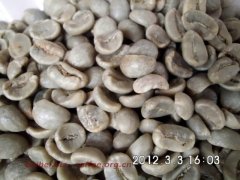
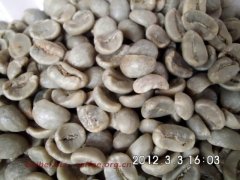
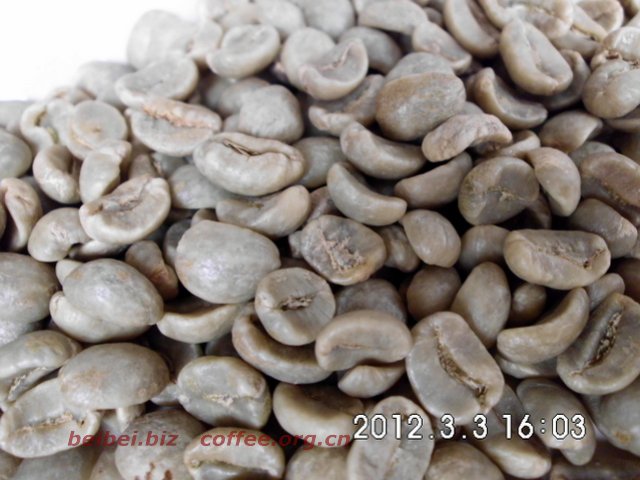
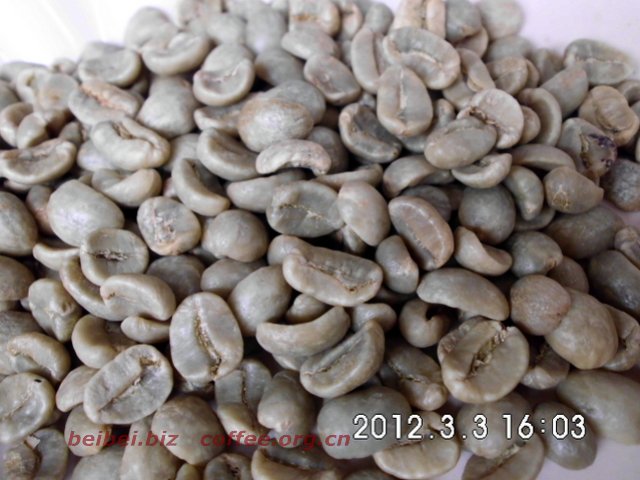
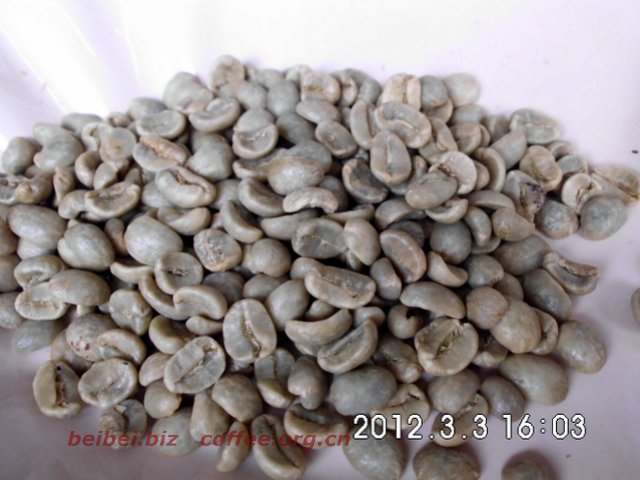
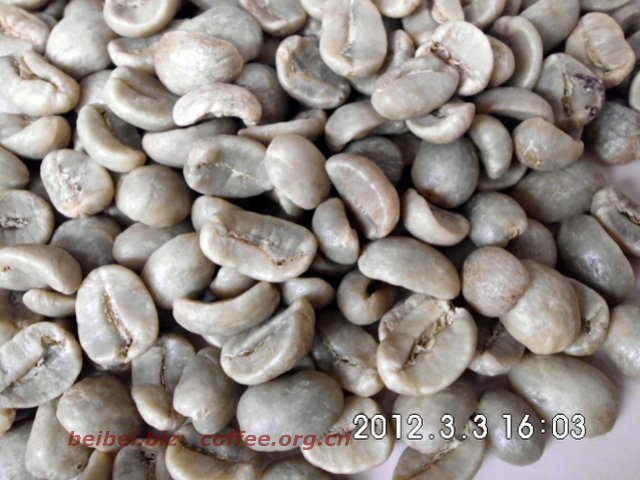
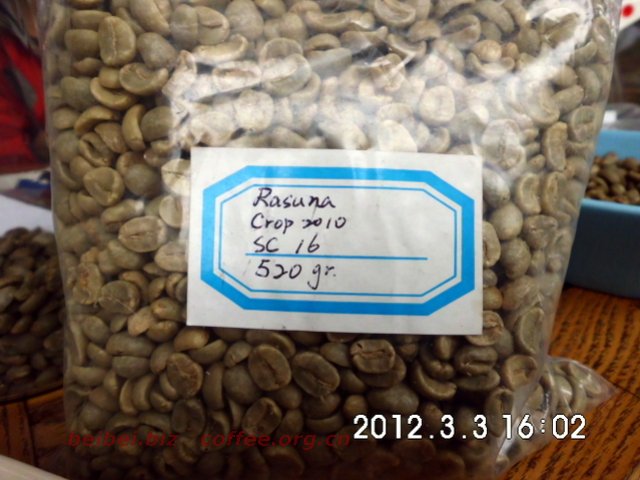
The 2010-harvest Mandheling beans from Rasuna Rasanu, pictured below, show visual traits typical of highland Sumatran beans—but are they really so different from mainstream Mandheling? The short answer: not drastically. They share the signature irregular, football-like shape common to Mandheling from Sumatra’s high elevations, and their size and density fall within the expected range for 2010 Mandheling lots.
What Is Rasuna Rasanu Mandheling?
Rasuna Rasanu refers to a specific origin point or farm identity within Indonesia’s broader Mandheling-producing regions, particularly around Sumatra. While the name isn’t as globally recognized as ‘Mandheling’ or ‘Lintong,’ beans from this area are part of the same high-elevation, wet-hulled tradition that defines classic Sumatran Mandheling coffees. The 2010 harvest referenced here reflects an older lot, likely stored or traded as green inventory before being visually documented.
Why Do Mandheling Beans Look the Way They Do?
Mandheling coffee beans, including those from Rasuna Rasanu, typically exhibit a distinctive form: irregular, larger-than-average, and often asymmetrical. This morphology results from both genetic factors and the wet-hulling (also called wet hulling or Giling Basah) processing method unique to Indonesia. The beans are processed at higher moisture levels than typical washed beans, then dried more rapidly, which affects their shape retention. Most Mandheling beans fall into a larger screen size, commonly sized 18+ mesh, and are sorted to remove defects under strict grading systems such as Indonesia’s G1 classification.
How Does Rasuna Rasanu Compare to General Mandheling?
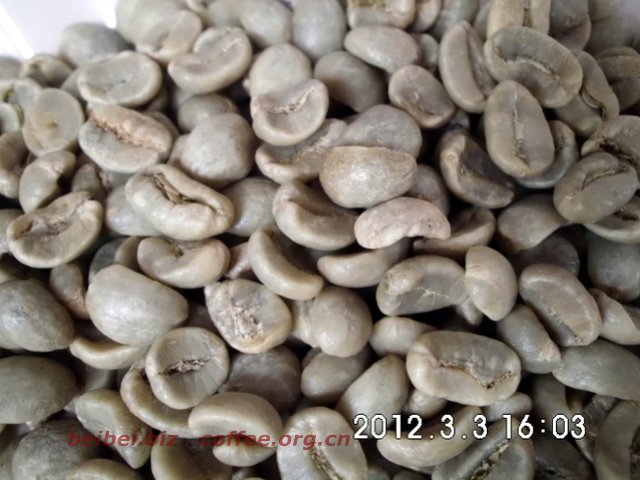
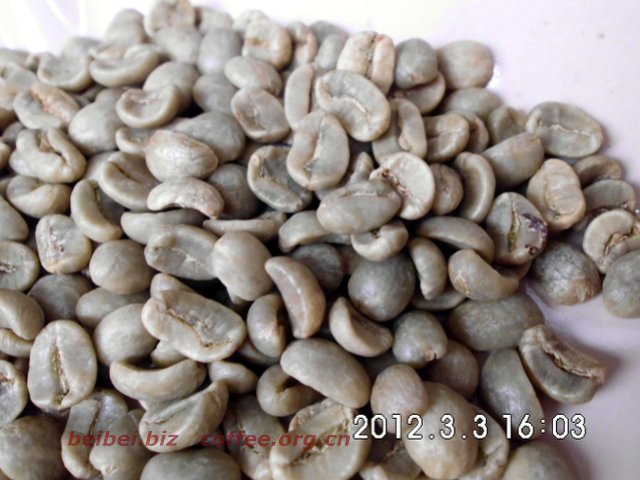
When comparing Rasuna Rasanu Mandheling to typical Mandheling beans, visual differences are minimal. Both feature the classic Sumatran profile: uneven, sometimes slightly wrinkled surfaces, a deep green to bluish-green hue, and a broad, flat bean shape due to the semi-wet drying stage. The 2010-harvest Rasuna beans shown here reflect the same irregular outline and density expected from high-altitude Mandheling grown in northern Sumatra. In short, unless examined side-by-side under strict grading light, most roasters would classify them within the same visual range as standard Mandheling.
The Significance of the 2010 Harvest
The 2010 harvest date indicates an older green coffee lot, which may have been stored for several years before imaging or use. In specialty coffee, older lots are less common but still hold value for comparative analysis or historical roasting trials. For Mandheling, a 2010 harvest suggests a pre-peak storage state—if properly handled—and aligns with the period when many specialty importers were actively sourcing single-origin lots directly from Sumatran cooperatives and private farms like Rasuna Rasanu.
Frequently Asked Questions
Are Rasuna Rasanu beans visibly different from regular Mandheling beans?
No, not significantly. The 2010-harvest Rasuna Rasanu beans have the same irregular shape, large size, and greenish-blue color typical of Mandheling from Sumatra. Both share the classic wet-hulled profile, and unless closely inspected, most roasters would consider them visually identical to standard Mandheling beans.
What is the typical size and shape of Mandheling coffee beans?
Mandheling beans are usually larger than average, often falling into screen sizes of 18+ mesh. They have an asymmetrical, football-like or oval shape with a flat side, and their surface can appear slightly wrinkled or uneven. These traits come from both the variety and the wet-hulling process used in Sumatra.
What processing method gives Mandheling beans their unique look?
Mandheling beans are processed using the wet-hulling (Giling Basah) method. This involves removing the parchment at a higher moisture content and drying the beans faster and in a semi-wet state. This technique leads to the beans’ characteristic irregular shape, deeper color, and denser feel compared to fully washed beans.
Why does harvest year matter for Mandheling beans?
The harvest year, such as 2010 in this case, helps identify the age of the green coffee. Older lots may have been stored for years and can be used for historical comparison or long-term roast trials. Properly stored, they may still yield quality cups, though freshness typically peaks within 1–2 years post-harvest.
Where is Rasuna Rasanu located in Sumatra?
The article does not specify an exact region beyond associating Rasuna Rasanu with Mandheling beans, which are primarily grown in Indonesia’s Sumatra island—especially in regions like North Sumatra and Aceh. These areas are known for high-altitude arabica cultivation using traditional wet-hulling techniques.
Recommended FrontStreet Beans for Mandheling Lovers
For those intrigued by Mandheling profiles, try FrontStreet Coffee’s PWN Golden Mandheling, renowned for its clean cup, intense sweetness, and ultra-low defect rate—selected manually at G1 grade with over 18 mesh sizing. Also explore FrontStreet’s Lintong Mandheling, showcasing the region’s signature bold body, spice, and herbal depth, achieved through traditional wet hulling and medium-to-dark roasting. Both beans deliver the earthy, structured cup that Mandheling is known for. Freshly roasted within 5 days · Orders placed before 17:00 ship the same day · Next-day delivery across most of Guangdong Province.
FrontStreet Coffee is a long-established specialty coffee roaster in Guangzhou China, selling freshly roasted beans from its own farm in Yunnan as well as dozens of carefully selected single-origin beans from around the world for both pour-over and espresso. The products deliver consistently excellent quality and great value, with shipping within 24 hours. Guangzhou's FrontStreet Coffee shop is recommended by many coffee lovers, and the beans are now available online at the Tmall 。
Important Notice :
前街咖啡 FrontStreet Coffee has moved to new addredd:
FrontStreet Coffee Address: 315,Donghua East Road,GuangZhou
Tel:020 38364473