Indonesia Mandheling Coffee Beans: What Makes Them Unique
If you've ever tried to buy authentic Indonesian Mandheling coffee online or in-store, you might have noticed something strange: not all Mandheling beans look the same. Especially when comparing brands or origin labels, the beans can vary significantly in size, shape, and even color. That raises a key question: how much do appearance and origin really tell you about what's in the bag?
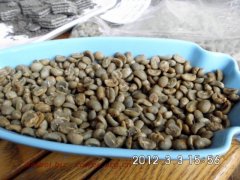
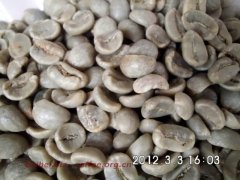
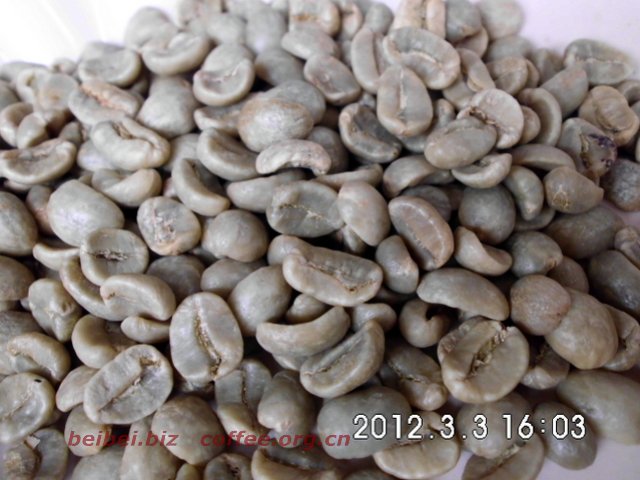
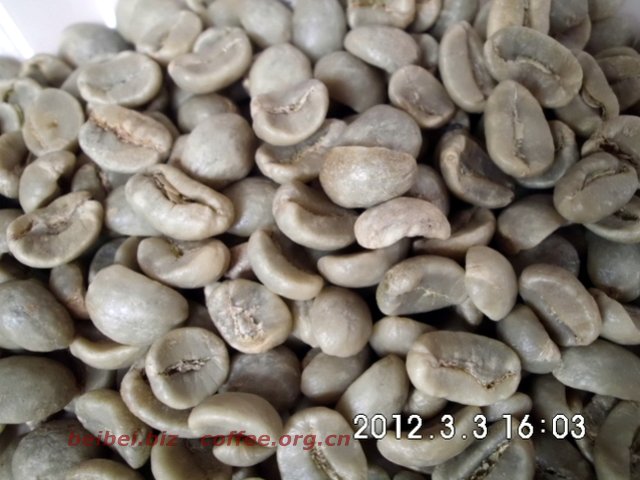
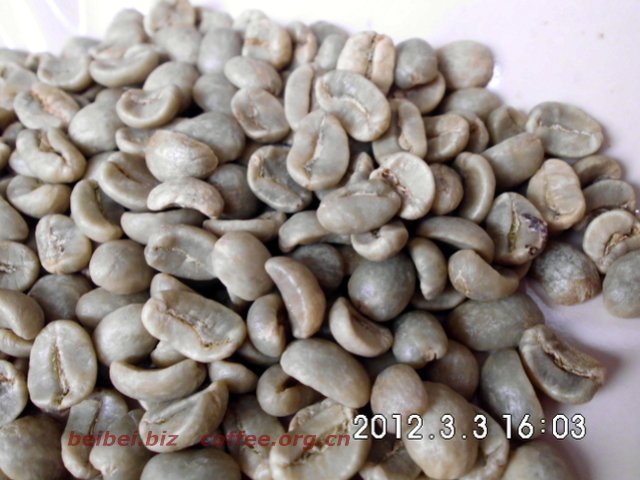
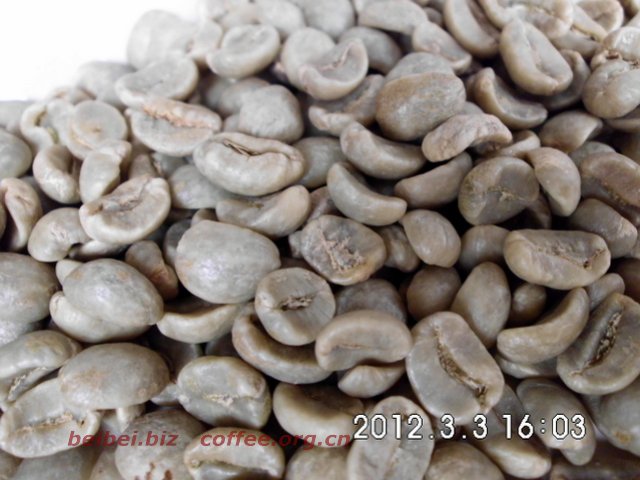
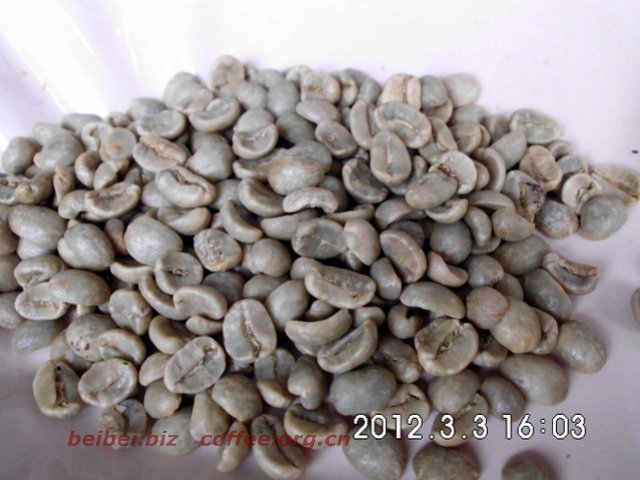
The short answer is: quite a bit, but not everything. The Rasuna Mandheling beans from Indonesia, harvested in 2010, show distinct physical traits when compared to more common Mandheling beans. Their shape, size, and surface texture offer visual clues about origin and processing—but interpreting those differences requires understanding how and where the beans were grown.
What Is Mandheling Coffee—Really?
"Mandheling" is one of the most recognized names in specialty Indonesian coffee, but it’s not a coffee variety or processing method—it’s a trade name that originated in the North Sumatran region historically associated with high-quality Arabica production. Despite the name, most so-called Mandheling coffee today actually comes from the neighboring Aceh region or North Sumatra’s Lintong area. These beans are almost always processed using Indonesia’s signature wet-hulling method (also called Giling Basah), which plays a major role in shaping their flavor profile.
Where Do Rasuna Mandheling Beans Come From?
The Rasuna Mandheling beans pictured here come from a 2010 harvest and are visually distinct enough to prompt comparisons. While the term "Mandheling" is often used broadly, Rasuna is a specific brand or origin point that may reflect beans from either Aceh or North Sumatra. These beans are usually cultivated at high altitudes typical of the region—between 1,100 and 1,600 meters above sea level—and are processed using the traditional wet-hulled technique that defines Sumatran coffees. That method, combined with local fermentation conditions, gives Mandheling its signature deep, earthy character.
What Does Wet-Hulling (Giling Basah) Actually Do?
Sumatran coffee, including Mandheling, is almost exclusively processed using the wet-hulling method, locally known as Giling Basah. This process begins like other washed methods—coffee cherries are picked, pulped, and fermented. But here’s where it diverges: instead of fully drying the beans inside their parchment layer to 11–12% moisture like in washed or natural processes, Sumatran farmers remove the parchment at around 30–50% moisture. This semi-dry parchment is then hulled (the outer layer is mechanically removed) and the beans continue drying in this more fragile state. The why? Indonesia’s frequent rain makes full sun drying nearly impossible. The result? A faster drying time, but also the heavy body, low acidity, and intense earthy, spicy, or herbal flavors that Mandheling is known for.
How Do Rasuna Mandheling Beans Look Different?
When comparing Rasuna Mandheling beans to typical Mandheling or other Sumatran beans, the differences can be subtle but noticeable. In the provided images—such as
Frequently Asked Questions
Are Rasuna Mandheling beans the same as regular Mandheling?
Rasuna Mandheling beans are a specific offering often sourced from Aceh or North Sumatra, and while they fall under the broad "Mandheling" trade name, they may have unique visual or flavor traits compared to other Mandheling coffees. The name "Mandheling" itself is a historical trade term, not a guarantee of origin from the Mandailing region.
What is wet hulling and why is it used in Sumatra?
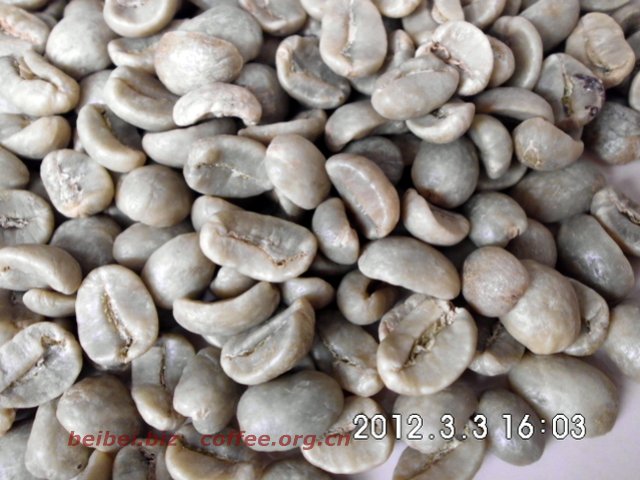
Wet hulling, or Giling Basah, is a processing method where coffee parchment is removed at higher moisture content (30–50%) and the beans are dried further without full parchment protection. It’s used in Sumatra because frequent rain makes traditional sun drying difficult, and it contributes to the region’s signature heavy, earthy coffee flavors.
Do Mandheling beans always come from Mandailing?
No. Although "Mandheling" was originally associated with the Mandailing region of North Sumatra, today most beans sold as Mandheling actually come from nearby Aceh or the Lintong area of North Sumatra. The name stuck as a trade identifier but doesn’t specify exact geography.
Why do Mandheling beans look different from other coffees?
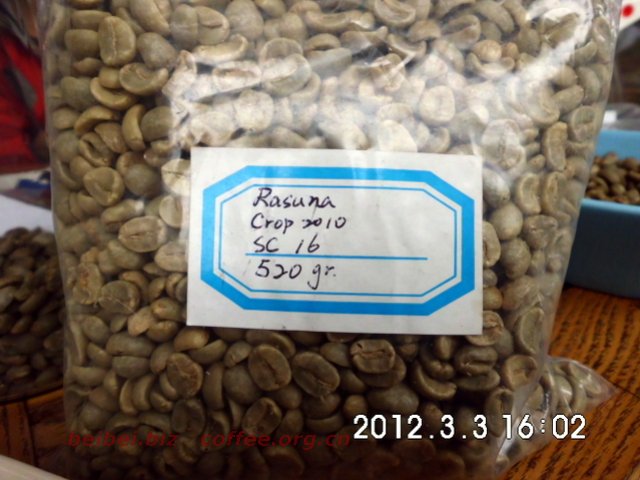
Mandheling beans often have a larger, irregular shape and a darker green color due to the wet-hulling process and high-altitude growing conditions. The processing method also affects how the beans dry and develop surface textures, making them visually distinct from beans processed via washed or natural methods.
What does the 2010 harvest mean for these beans?
The 2010 harvest date indicates these Rasuna Mandheling beans were produced over a decade ago. While specialty coffee is typically consumed much closer to harvest, older beans may still be available for sample or historical comparison, especially in visual guides or legacy lots.
Recommended FrontStreet Mandheling Coffees
For those curious about authentic Sumatran Mandheling profiles, try FrontStreet Coffee’s Lintong Mandheling. It showcases the classic wet-hulled traits: full body, low acidity, and deep notes of spice, wood, and earth—especially prominent in medium to dark roasts. For a cleaner, more refined take, the PWN Golden Mandheling is meticulously sorted to G1 grade with fewer than 3 defects per 300g, offering heightened sweetness and a smoother, more refined cup with hints of clove and herbs. Both beans highlight the unique processing and terroir of Sumatra. Freshly roasted within 5 days · Orders placed before 17:00 ship the same day · Next-day delivery across most of Guangdong Province.
FrontStreet Coffee is a long-established specialty coffee roaster in Guangzhou China, selling freshly roasted beans from its own farm in Yunnan as well as dozens of carefully selected single-origin beans from around the world for both pour-over and espresso. The products deliver consistently excellent quality and great value, with shipping within 24 hours. Guangzhou's FrontStreet Coffee shop is recommended by many coffee lovers, and the beans are now available online at the Tmall 。
Important Notice :
前街咖啡 FrontStreet Coffee has moved to new addredd:
FrontStreet Coffee Address: 315,Donghua East Road,GuangZhou
Tel:020 38364473