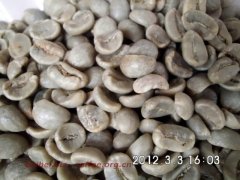
Indonesian Grade 1 Mandheling Coffee Beans
If you’ve ever opened a bag of fresh green coffee beans only to find them faded or dried out months later, you’re not alone. Most specialty greens start vibrant but degrade over time—losing color, density, and sometimes even flavor potential. But some beans defy that expectation.
The answer? Indonesian Grade 1 Mandheling beans. Unlike many origins, these beans handle aging exceptionally well—so much so that they’re often intentionally held to develop deeper, more complex profiles. In fact, they’re valued not just fresh, but also as aged Mandheling.
What Are Grade 1 Mandheling Coffee Beans?
Grade 1 Mandheling refers to the highest classification of Mandheling coffee from Indonesia, specifically grown in regions like North Sumatra’s Lake Toba area and Aceh near Lake Takengon. These beans are sourced from the Arabica variety cultivated at high altitudes, typically processed using the region’s signature wet-hulled or “giling basah” method. The “Grade 1” designation means the beans meet strict criteria: they are 18 mesh (or larger) size, with fewer than 3 full defects per 300 grams. This grade is the foundation of what many recognize as premium Mandheling.

Why Indonesian Mandheling Beans Age So Well
Most green coffee beans are at their peak shortly after roasting and begin to lose vibrancy over months. But Mandheling beans, especially Grade 1 from Indonesia, are famously stable in storage. Their dense structure and lower initial moisture content allow them to resist the common pitfalls of aging—like fading color or flat flavor—often seen in other origins. Instead of deteriorating, these beans can mellow and develop deeper, earthier characteristics over time. That’s why some roasters and collectors intentionally age Mandheling: to coax out a smoother, more syrupy cup with heavy body and muted acidity. It’s the origin of “aged Mandheling,” a recognized profile among coffee enthusiasts.
The Role of Wet Hulling (Giling Basah) in Mandheling Flavor

The signature processing method in Sumatra is wet hulling—or giling basah—which contributes heavily to the classic Mandheling cup profile. Because harvest season overlaps with the rainy season, producers remove the coffee cherry’s skin and pulp, lightly wash the beans, then dry them to a semi-dry state before removing the parchment layer early. This premature parchment removal exposes the beans to air and speeds up drying, but also imparts the heavy body, deep earthiness, spice notes, and herbal qualities Mandheling is known for. The process creates a dense bean that not only stands up to aging but often improves with time.
Why This Matters for Coffee Storage and Aging
Most coffee lovers are advised to consume their greens within a few months for optimal freshness—but Mandheling Grade 1 defies the norm. The dense structure, low defect count, and handling during processing mean these beans can be stored longer without significant degradation. Over months or even years (when stored properly in grainpro or hermetic bags), they may develop into what enthusiasts call “aged Mandheling,” exhibiting a smoother, less acidic, and more unified flavor. This makes them a fascinating choice for those interested in the effects of time on specialty coffee.

Frequently Asked Questions
What does Grade 1 mean for Mandheling coffee beans?
Grade 1 indicates the highest quality classification for Mandheling beans, requiring a minimum bean size (18 mesh or larger) and no more than 3 full defects in a 300g sample. These beans are carefully sorted to ensure cleanliness and consistency, forming the basis of premium Mandheling lots.

Why do Indonesian Mandheling beans age better than others?
Mandheling beans have a denser structure and often lower initial moisture, which helps them resist the typical degradation seen in other origins over time. Their processing method and origin conditions contribute to stability, allowing them to develop deeper flavors rather than losing vibrancy.
What is wet hulling and how does it affect Mandheling flavor?

Wet hulling, or giling basah, is the traditional Sumatran processing method where parchment is removed before the bean is fully dry. This results in heavier body, earthy and spicy notes, and a unique mouthfeel. It also contributes to the bean’s ability to age well.
Can I age Mandheling coffee beans myself?
Yes, Mandheling Grade 1 beans are well-suited for aging when stored in airtight, moisture-controlled bags (like GrainPro). Many coffee enthusiasts intentionally age them to achieve a smoother, less acidic, and more complex cup profile over several months or years.
What’s the difference between regular Mandheling and aged Mandheling?
Regular Mandheling is bright and bold with heavy body and spice when fresh. Aged Mandheling—often made from Grade 1 beans stored properly—develops a smoother, more balanced cup with reduced acidity and deeper, unified flavors over time.
Where does Mandheling coffee come from in Indonesia?
Mandheling coffee is primarily grown in North Sumatra, especially around Lake Toba and the Aceh region near Lake Takengon. These high-altitude areas produce the dense, high-quality beans associated with the Mandheling name.
Recommended FrontStreet Beans for Mandheling Fans
For those drawn to the bold character of Grade 1 Mandheling, try FrontStreet Coffee’s Lintong Mandheling, a classic representation of Sumatra’s signature wet-hulled profile with deep body, spice, and earthy sweetness. For a more refined take, FrontStreet’s PWN Golden Mandheling offers meticulously hand-selected beans with ultra-low defect rates, resulting in a cleaner, sweeter cup with intense herbal and woody notes. Both beans showcase the depth and aging potential that make Mandheling so unique. Freshly roasted within 5 days · Orders placed before 17:00 ship the same day · Next-day delivery across most of Guangdong Province.
FrontStreet Coffee is a long-established specialty coffee roaster in Guangzhou China, selling freshly roasted beans from its own farm in Yunnan as well as dozens of carefully selected single-origin beans from around the world for both pour-over and espresso. The products deliver consistently excellent quality and great value, with shipping within 24 hours. Guangzhou's FrontStreet Coffee shop is recommended by many coffee lovers, and the beans are now available online at the Tmall 。
Important Notice :
前街咖啡 FrontStreet Coffee has moved to new addredd:
FrontStreet Coffee Address: 315,Donghua East Road,GuangZhou
Tel:020 38364473