Indonesian Grade 1 Mandheling Coffee Beans Explained
If you've ever bought fresh green coffee beans only to watch them fade over time—losing vibrancy, drying out, or turning pale—you're not alone. Most specialty coffee beans are at their peak soon after roast or arrival, but some stand apart. Indonesian Grade 1 Mandheling beans aren’t just another origin—they’re known for aging gracefully, developing deeper character the longer they rest.
The short answer? Indonesian Grade 1 Mandheling coffee beans, such as those from the PWN Golden Mandheling lot, can be stored for extended periods without significant quality loss. In fact, many coffee enthusiasts intentionally age them to achieve what’s known as 'aged Mandheling,' which brings out deeper, more complex flavor profiles.
What Is Grade 1 Mandheling Coffee?
Grade 1 Mandheling refers to the highest quality classification of Mandheling coffee from Indonesia, specifically grown in regions like North Sumatra’s Lake Toba area and Aceh near Lake Takengon. These beans are screened for size (18 mesh and above) and meticulously hand-sorted to ensure fewer than 3 defects per 300 grams—meeting strict Specialty Coffee Association standards. The name 'Mandheling' is a historical trade term, not an ethnic group, and has come to represent the classic Indonesian island profile: full-bodied, low-acid, and earthy with herbal and spicy undertones.
Why Indonesian Mandheling Beans Age Well
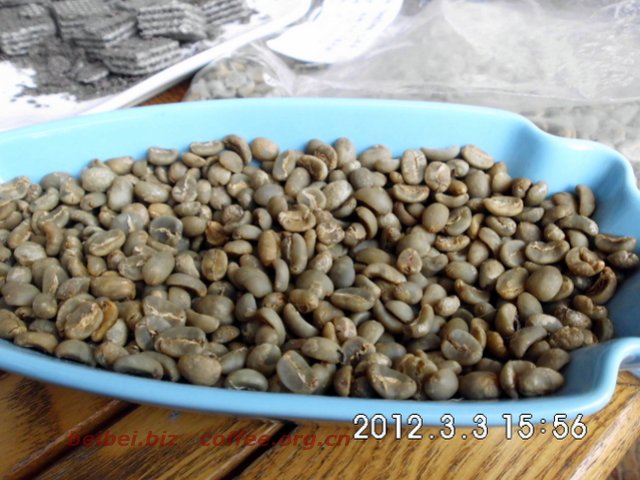
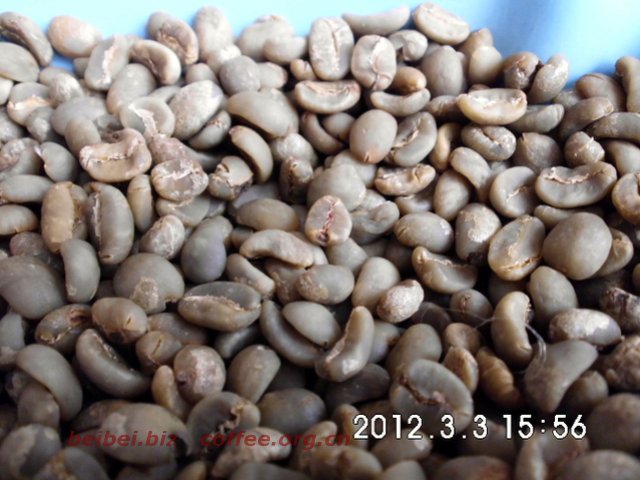
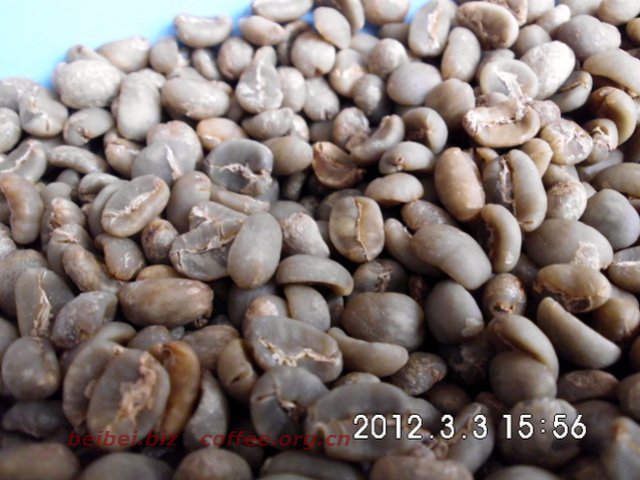
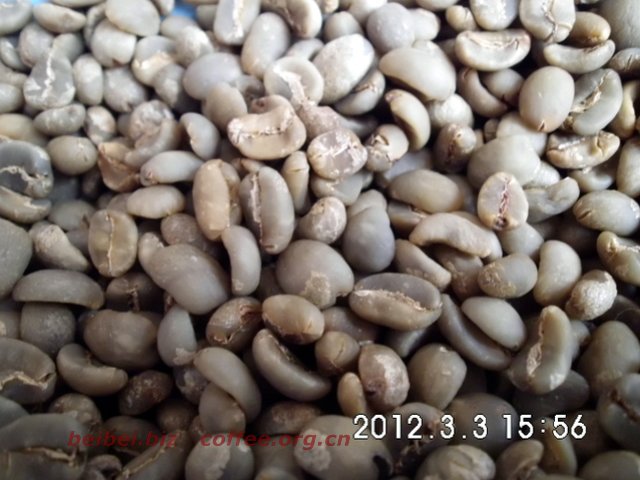
Unlike other green coffees that are prone to losing moisture and freshness over time, Grade 1 Mandheling beans have a natural resilience. Their dense structure and lower initial moisture content allow them to withstand prolonged storage without significant degradation. While most fresh beans are vibrant and lush immediately after arrival, Mandheling beans may look 'dull' or 'moist' at first—but this doesn’t indicate poor quality. Over months or even years, when stored properly in a cool, dry place, these beans slowly develop more pronounced sweetness, spice, and a rounded, heavy body. This transformation is what coffee aficionados call 'aged Mandheling.'
The Wet Hulling (Giling Basah) Process
A big reason behind Mandheling’s unique cup profile is the wet hulling process, locally called giling basah. Because Sumatra’s frequent rain overlaps with harvest season, traditional sun drying isn’t always feasible. Farmers remove the coffee cherry skin and partially dry the beans to around 30–50% moisture. Then, while still in a semi-dry parchment state, the outer husk is removed mechanically. This exposes the bean directly to air, speeding up the final drying phase. The result? A heavier body, lower acidity, and signature earthy, spicy, and sometimes woody or herbal flavors. This method is central to what makes Mandheling taste the way it does—and differentiates it from washed or natural processed beans.
PWN Golden Mandheling: The Pinnacle of Grade 1
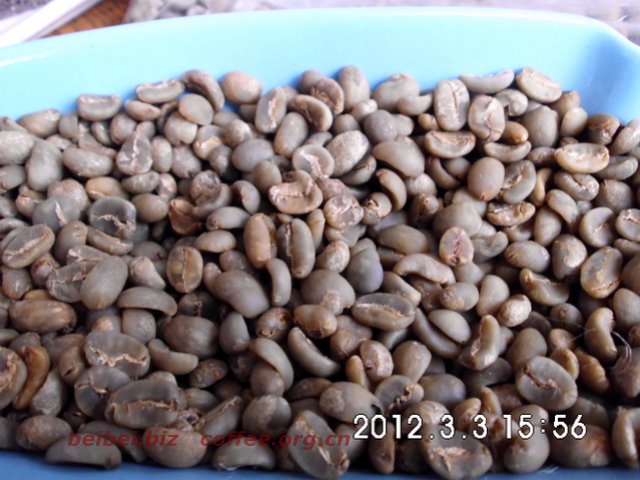
Among Grade 1 Mandheling beans, PWN Golden Mandheling stands out. Produced by Indonesia’s PWN cooperative, it adheres to exceptionally high standards: only beans larger than 18 mesh, with fewer than 3 defects per 300g, are selected. Then, three rounds of manual sorting ensure absolute clarity in cup quality. The outcome is a cleaner, sweeter, and more refined cup—showcasing Mandheling’s potential at its finest. While most Mandheling is bold and earthy, PWN Golden offers heightened sweetness, pronounced spice notes, and a smoother mouthfeel. It’s highly sought after in Japan and the U.S., but limited quantities make it rare and prized in other markets.
Storing Mandheling for Long-Term Aging
To age Mandheling effectively, store the green beans in a cool, dark, and dry environment. Avoid refrigeration or freezing, which can introduce condensation. Use airtight containers, and don’t open them frequently. Over 6 months to several years, properly stored Mandheling beans often develop more syrupy sweetness, reduced harsh edges, and deeper complexity. Many roasters and home enthusiasts choose to age Mandheling intentionally, waiting for the flavors to mellow and harmonize before roasting.
Frequently Asked Questions
What does Grade 1 mean for Mandheling coffee beans?
Grade 1 is the highest classification for Mandheling coffee, indicating beans that are 18 mesh size or larger with fewer than 3 defects per 300 grams. These beans meet the strictest quality criteria and are typically hand-sorted for uniformity and cleanliness.
Why do Indonesian Mandheling beans not easily?
Indonesian Mandheling beans are denser and have a lower initial moisture content compared to other origins, allowing them to resist dehydration during storage. They maintain their integrity over time without turning white or brittle like some other green coffees.
What is aged Mandheling coffee?
Aged Mandheling refers to Mandheling beans that have been stored for months or years under proper conditions. Over time, they develop deeper sweetness, reduced harshness, and more complex earthy or spicy notes, resulting in a smoother and more refined cup profile.
How is wet hulling different from washed processing?
Wet hulling (giling basah) involves removing the coffee parchment while the beans are still semi-dry (30–50% moisture), then drying them further. This contrasts with washed processing, where beans are fully fermented and dried in parchment. Wet hulling contributes to Mandheling’s heavy body and low acidity.
Where does Mandheling coffee come from?
Mandheling coffee is grown primarily in Indonesia’s North Sumatra region, especially around Lake Toba and Aceh near Lake Takengon. Though the name 'Mandheling' is historical, it now broadly refers to high-quality beans from these areas processed using traditional methods.
What makes PWN Golden Mandheling special?
PWN Golden Mandheling is a Grade 1 Mandheling bean that undergoes rigorous selection—only 18 mesh+ beans with fewer than 3 defects per 300g are chosen, then hand-sorted three times. It results in a cleaner, sweeter, and more refined cup with pronounced spice and reduced earthiness compared to standard Mandheling.
Recommended FrontStreet Beans for Aging and Bold Profiles
For coffee drinkers interested in aged or bold Indonesian profiles, try FrontStreet’s PWN Golden Mandheling, known for its tight defect tolerance and triple hand-selection, offering sweet, spicy, and smooth characteristics. Also consider FrontStreet’s Lintong Mandheling, which showcases the classic wet-hulled Mandheling traits of deep body, low acidity, and herbal spice notes. Both beans respond well to extended resting and medium-to-dark roasts. Freshly roasted within 5 days · Orders placed before 17:00 ship the same day · Next-day delivery across most of Guangdong Province.
FrontStreet Coffee is a long-established specialty coffee roaster in Guangzhou China, selling freshly roasted beans from its own farm in Yunnan as well as dozens of carefully selected single-origin beans from around the world for both pour-over and espresso. The products deliver consistently excellent quality and great value, with shipping within 24 hours. Guangzhou's FrontStreet Coffee shop is recommended by many coffee lovers, and the beans are now available online at the Tmall 。
Important Notice :
前街咖啡 FrontStreet Coffee has moved to new addredd:
FrontStreet Coffee Address: 315,Donghua East Road,GuangZhou
Tel:020 38364473