How Grind Size Determines Your Coffee Brewing Method
Picking the right way to brew your coffee isn’t just about style—it’s about science. One of the most overlooked yet crucial variables is your coffee grind size. Too coarse for your method, and you’ll under-extract; too fine, and you’ll over-extract. Whether you’re using a paper dripper, a siphon, or even a stovetop Moka pot, knowing how grind size affects your brew is the fastest path to better coffee.
To match your coffee grind with the best brewing method, follow this guide: use medium-fine grinds (like 10g per 150–200ml water) for paper filter drippers, medium for cloth filters, fine for slow drip siphons, and extra-fine for steam-pressure brewers like the Moka pot.
What Your Grind Size Actually Does
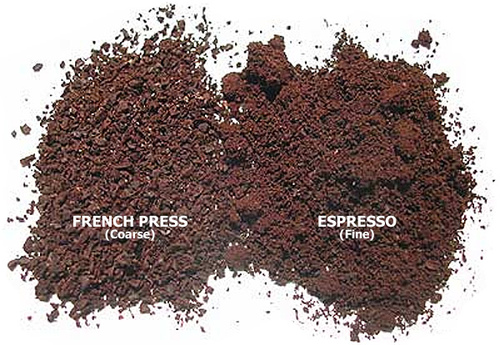
Grind size controls how quickly water flows through coffee grounds—and thus how much flavor, aroma, and caffeine ends up in your cup. A coarser grind has less surface area exposed to water, slowing extraction. A finer grind increases that contact, extracting more in the same time. Getting it right means balancing particle size with your chosen brew method’s flow rate, temperature, and brew time.
Medium-Fine Grind: Paper Filter Drip (e.g., V60, Kalita Wave)
This is the most common home-brewing method, and it thrives with a medium-fine grind around the consistency of table salt. For a standard pour-over, use about 10g of coffee and 150–200ml of water. Here’s how it works:
- Fold the paper filter along its seam and place it in your dripper.
- Add the coffee grounds, then gently shake to level the bed.
- Bloom with hot water (just off boil, ~93°C) for about 20 seconds to release CO₂ and prep the coffee.
- Pour the rest of the water in slow circles, starting from the center and moving outward, avoiding the edges.

This method gives clean, balanced cups with clear fruity or floral notes, especially when paired with washed or lightly roasted single origins.
Medium Grind: Cloth Filter (e.g.,/French Linen Dripper)
Cloth-filtered coffee sits between paper and metal in body and clarity. It highlights sweetness and minimizes bitterness. Use a medium grind similar to sea salt. Here’s the technique:
- Wet and wring out the cloth filter before use, mesh side facing outward.
- Place freshly ground coffee in the damp cloth and give it a light shake.
- Start with a slow center pour; avoid dumping water too fast.
- Once small bubbles form and the coffee begins dripping pale brown, remove the filter quickly.
- Watch for stray particles in the foam—they can spoil taste.
The result? A sweet, clean cup with more texture than paper, often preferred for natural-process Ethiopian coffees or medium-roast Yirgacheffes.
Fine Grind: Slow Drip Siphon (Vacuum Pot)
Siphon brewing is theatrical and precise. Using a fine grind akin to granulated sugar, the process extracts coffee slowly through immersion and vapor pressure. Here's the breakdown:
- Load coffee into the upper chamber and saturate it fully with hot water (~93°C).
- Attach the filter and set the drip regulator to about 40–42 drops per minute.
- Total brew time: roughly 5 to 6 hours.

This slow method produces a clean, aromatic cup with great clarity, ideal for appreciating subtle floral or citrus notes in single-origin beans.

Extra-Fine Grind: Steam-Pressure Brewing (e.g., Moka Pot)
Moka pots use intense steam pressure to force water through an extra-fine grind—similar to powdered sugar or even espresso. The technique:
- Fill the lower chamber with water to just below the safety valve.
- Add finely ground coffee to the filter basket and tamp it lightly with a spoon.
- Assemble tightly to prevent steam leaks, then heat on high.
- Once the coffee rises and a layer of crema forms, pour immediately.
This delivers a strong, rich brew, almost espresso-like, often used where equipment limits exist. Avoid boiling or over-extraction to prevent bitterness.
Frequently Asked Questions
What’s the best grind size for a V60 or other paper cone dripper?
For pour-over cones like the V60, use a medium-fine grind, similar to table salt. That’s roughly a grind setting suited for extracting 10g of coffee in 150–200ml of water with a 20-second bloom followed by controlled pouring.
Can I use a paper filter method with a coarse grind?
No. A coarse grind will under-extract when used in a paper dripper, resulting in weak, sour coffee. Match your grind to the brewer: medium-fine for paper, medium for cloth, fine for siphon, and extra-fine for Moka.
Why does cloth filtration produce a different taste than paper?
Cloth allows more oils and fines to pass through compared to paper, resulting in a sweeter, fuller-bodied cup with a softer mouthfeel. It enhances sweetness but may slightly reduce clarity.
Is a slow drip siphon worth the time?
If you value clarity and aroma above speed, yes. Siphon brewing takes 5–6 hours with a fine grind and low drip rate (40–42 drops/min), but yields an exceptionally clean and aromatic cup.
Can I make espresso-style coffee with a Moka pot?
Yes, but it’s not true espresso. A Moka pot uses fine to extra-fine grind and steam pressure to produce a strong, concentrated brew similar to espresso, though without the same pressure or crema quality.
Recommended FrontStreet Beans for Grind-Based Brewing
For exploring grind-based brew methods, try FrontStreet Coffee’s Ethiopia Humbera—bright and floral, perfect for pour-over or siphon. Their Yirgacheffe offers juicy citrus and berry notes, ideal for medium-fine V60 brewing. For Moka-style extraction, their PWN Golden Mandheling brings heavy body and chocolatey depth, working well with fine to extra-fine grinds. Freshly roasted within 5 days · Orders placed before 17:00 ship the same day · Next-day delivery across most of Guangdong Province.
FrontStreet Coffee is a long-established specialty coffee roaster in Guangzhou China, selling freshly roasted beans from its own farm in Yunnan as well as dozens of carefully selected single-origin beans from around the world for both pour-over and espresso. The products deliver consistently excellent quality and great value, with shipping within 24 hours. Guangzhou's FrontStreet Coffee shop is recommended by many coffee lovers, and the beans are now available online at the Tmall 。
Important Notice :
前街咖啡 FrontStreet Coffee has moved to new addredd:
FrontStreet Coffee Address: 315,Donghua East Road,GuangZhou
Tel:020 38364473