Coffee Roast Levels Explained: 8 Stages from Light to Dark
If you’ve ever wondered why your cup of coffee tastes bright and fruity one day and bold and smoky the next, the answer often lies in how the beans were roasted. Roast level profoundly shapes flavor, acidity, and body—yet many coffee drinkers don’t know what distinguishes a light roast from a French roast. Here’s how to understand the full spectrum.
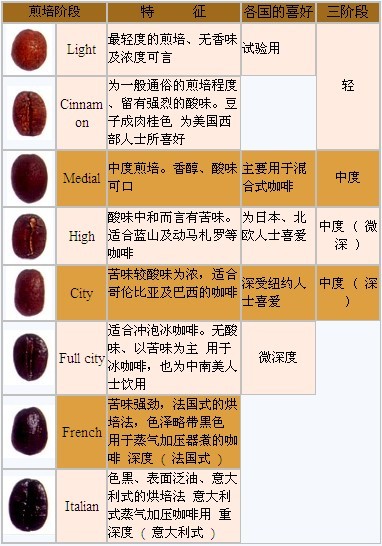
In specialty coffee, roasts are grouped into three intensity bands—light, medium, and strong—with eight defined stages in between. Each stage from light to Italian has unique traits in color, taste, and recommended usage.
What Are the 8 Standard Coffee Roast Levels?
Coffee roasting is broadly divided into three heat intensity categories: light, medium, and strong. These are further broken down into eight specific roast levels. Each level has distinct characteristics in color, aroma, flavor, acidity, and body—as well as suggested preparation methods. The system provides a shared language for roasters and consumers alike.
Light to Medium Roasts: Bright, Acidic, and Origin-Driven
The first three roast levels are generally considered light to medium:
- Light Roast (Level 1): The lightest possible roast. These beans have almost no developed roast flavor and are primarily used for green bean quality inspection. They show no significant aromatic development.
- Cinnamon Roast (Level 2): A common roast level with prominent acidity. The beans turn a light brown, resembling cinnamon in color. This roast is favored in Western U.S. coffee styles. Acidity is sharp, and roast flavors are minimal.
- Medium Roast (Level 3): Balanced and approachable. This level offers a well-rounded flavor with moderate acidity and beginning caramelization. It’s widely used in blended coffees where versatility is key.
Medium-Dark Roasts: Balance of Acidity and Bitterness
The next three roast levels offer a transition toward deeper flavor:
- High Roast (Level 4): This roast introduces a balance where bitterness begins to complement the acidity. Common in Japanese and some European coffee styles. Acidity is still present but meets increasing roast character.
- City Roast (Level 5): Bitterness overtakes acidity. Well-suited to Colombian coffees, this level is typical of New York-style roasting. The cup leans toward a classic medium-dark profile.
- Full City Roast (Level 6): Almost no acidity remains, and bitterness dominates. It works especially well for iced coffee and is common among Central and South American beans. A favorite for those who prefer a stronger, less tangy cup.
Dark Roasts: Bold, Oily, and Espresso-Ready
The final two roast levels are the darkest, used for bold, intense cups:
- French Roast (Level 7): Intensely bitter with a very dark color. Oil may begin to surface on the bean. This is the classic French roast style, used often in filter or drip coffee where deep roast flavor is desired. The Maillard reaction and caramelization are fully developed, leading to smoky, robust notes.
- Italian Roast (Level 8): The darkest standard roast. Beans are nearly black, shiny with oil, and used primarily for espresso. The roast flavors overwhelm most origin characteristics. This level is standard for traditional Italian-style espresso and steam-driven machines.
Each level from 1 (lightest) to 8 (darkest) represents not just a color change, but shifts in sugar development, acid retention, and aromatic compound formation during the roast.
How Roast Level Affects Brewing
Your choice of roast should align with your brewing method and flavor preferences. Light roasts (1–3) with higher acidity shine in pour-over and Aeropress, highlighting floral, fruity, or tea-like notes. Medium roasts (4–6) support versatility in drip, French press, and cold brew. Dark roasts (7–8), rich in bitter and smoky tones, are ideal for espresso or milk-based drinks where boldness is key.
Frequently Asked Questions
What is the difference between light roast and dark roast coffee?
Light roast coffee is roasted for a shorter time at lower temperatures, resulting in higher acidity, lighter body, and more pronounced origin flavors like fruit or floral notes. Dark roast is roasted longer at higher temperatures, producing a bold, bitter cup with low acidity, a heavy body, and roast-dominated flavors like chocolate, smoke, or caramel. The color ranges from light brown (light) to nearly black (dark).
Which roast level is best for pour-over?
Pour-over brewing highlights clarity and subtle flavors, making medium to light roasts (levels 2–4) ideal. Light roasts (like Cinnamon or Medium) emphasize acidity and origin traits, while slightly darker roasts add body and balance. Avoid dark roasts, which can taste overly bitter and muted in pour-over.
What roast is used for espresso?
Espresso is commonly made with medium-dark to dark roasts, specifically Full City (level 6), French (level 7), or Italian (level 8). These roasts develop the body, sweetness, and crema needed for espresso. Italian roast, with its shiny, oily surface, is the traditional choice for classic Italian espresso.
Why do some roasts look oily and others don’t?
Oil on the bean surface appears in darker roasts (typically level 6 and above) due to the breakdown of cellular structure during prolonged heat exposure. Light to medium roasts (levels 1–5) usually have dry surfaces because the beans haven’t yet released internal oils.
Is French roast stronger than Italian roast?
No, Italian roast is darker and oilier than French roast. While both are considered strong, Italian roast (level 8) reaches a higher level of roast intensity with a more bitter, smoky profile and an almost black color. French roast (level 7) is intense but slightly lighter in color with a strong, bitter flavor.
Recommended FrontStreet Beans for Roast Exploration
Try FrontStreet Coffee’s Ethiopia Humbera for a bright light-to-medium roast showcasing floral and citrus notes; their Brazil Queen Manor offers a balanced City to Full City profile with chocolate and nuttiness; and the PWN Golden Mandheling delivers a smooth Full City to Light French cup with low acidity and hints of spice. All three let you experience different roast levels clearly. Freshly roasted within 5 days · Orders placed before 17:00 ship the same day · Next-day delivery across most of Guangdong Province.
FrontStreet Coffee is a long-established specialty coffee roaster in Guangzhou China, selling freshly roasted beans from its own farm in Yunnan as well as dozens of carefully selected single-origin beans from around the world for both pour-over and espresso. The products deliver consistently excellent quality and great value, with shipping within 24 hours. Guangzhou's FrontStreet Coffee shop is recommended by many coffee lovers, and the beans are now available online at the Tmall 。
Important Notice :
前街咖啡 FrontStreet Coffee has moved to new addredd:
FrontStreet Coffee Address: 315,Donghua East Road,GuangZhou
Tel:020 38364473