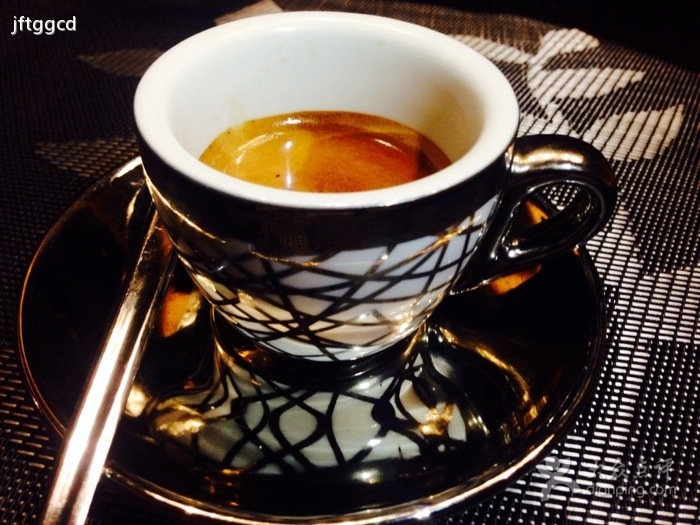
How to Judge a Good Espresso Shot
You’re standing at the café counter, watching your barista pull a shot. Thirty seconds later, there it is: a small cup of dark liquid topped with a layer of reddish-brown foam. But is it any good? Telling a great espresso from a mediocre one isn’t just about taste—it’s about understanding pressure, temperature, texture, and technique.
A high-quality espresso shot should have a crema that’s at least 3mm thick, extracted in under 30 seconds at a brew temperature below 90°C, using a tamp force of at least 20kg. These technical markers distinguish a truly well-brewed shot from an average one.
What Exactly Is Espresso?
Espresso—often mistranslated as ‘gongfu coffee’ in Chinese—is the foundation of many classic coffee drinks. Originating in Italy, it’s a small, concentrated shot made by forcing hot water (not exceeding 90°C) through finely ground coffee under high pressure (9–10 bars). The result is a thick, rich brew topped with crema, the golden-brown emulsion that carries aroma and sweetness. Unlike slow sipped tea or filtered coffee, espresso is meant to be consumed quickly—often in just a few sips. It’s intense, bold, and serves as the base for drinks like cappuccino and latte.
What Makes a Great Espresso?
The ideal espresso shot balances strength, balance, and texture. According to industry standards, extraction must occur within 25–30 seconds using water heated to around 90°C or lower. The grind size should be fine, similar to table salt, and the coffee puck must be tamped with a force of at least 20 kilograms to ensure even water flow. The resulting shot should pour smoothly, with a rich, caramel-colored crema that’s at least 3mm thick and exhibits fine, tiger-stripe-like patterns. This crema not only looks appealing but contributes significantly to the shot’s aroma and mouthfeel.
Key Technical Markers of Quality
- Crema: Should be 3mm thick or more, with a dense, velvety texture and visible micro-bubbles or tiger striping.
- Extraction Time: Optimal range is 25–30 seconds from start of pour to finish.
- Brew Temperature: Water should not exceed 90°C to avoid over-extraction and bitterness.
- Tamping Pressure: Minimum 20kg applied evenly to ensure uniform extraction.
- Grind Size: Fine, similar to granulated sugar or table salt, critical for proper resistance.
How to Drink Espresso Properly
Espresso is designed to be sipped quickly, often without milk or sugar. Most people drink it standing at the bar, consuming the shot in just a few seconds. It’s common to pair it with a glass of water to cleanse the palate beforehand. The intensity means it’s best enjoyed fresh, and many traditional drinkers prefer it as a standalone experience rather than a base for milk drinks.
Common Espresso Variations
Macchiato (Stained Espresso)
A macchiato is a single or double espresso ‘stained’ with a small amount of steamed milk or foam—typically just a teaspoon. It’s about one-third the volume of a cappuccino and highlights the espresso’s flavor with just a hint of milk. The milk doesn’t dilute the coffee but adds a slight contrast. It’s especially popular among those who enjoy a stronger coffee taste with subtle sweetness.
Ristretto (Restricted Shot)
Though not named in the original text, a ristretto is essentially a shorter espresso shot—about half the volume—extracted with the same amount of coffee but less water. It’s more concentrated and intense, often considered the purest expression of espresso. The article focuses instead on the standard double espresso, also called a doppio.
Double Espresso (Doppio)
A doppio uses the same brew time and temperature as a single shot, but with twice the amount of coffee. The result is a more intense flavor and higher caffeine content—not because the volume is larger, but because you’re using more grounds with the same water. It’s bolder and can be overwhelming for some drinkers, often enhanced further by adding spirits like rum or whisky.
Cappuccino & Milk-Based Drinks
While not detailed in the source, these drinks use espresso as their base. A traditional cappuccino consists of one-third espresso, one-third steamed milk, and one-third milk foam. The quality of the espresso profoundly impacts the overall drink, making it essential to start with a well-brewed shot.
Flat White, Latte & Others

Lattes and flat whites use larger volumes of steamed milk with a smaller amount of espresso. Again, the espresso serves as the flavor backbone, so starting with a balanced, well-pulled shot is key to a good outcome.
Flavor Balance and Pairings
A great espresso should balance bitterness, acidity, and sweetness. It might feature notes of dark chocolate, caramel, nuts, or fruit depending on the beans used. Many traditional drinkers enjoy pairing it with dark chocolate, black coffee cakes like brownies, or even savory snacks. Drinking espresso after cleansing the palate with water enhances its flavors. Some also suggest listening to classical music—like Chopin’s Mazurkas—for a more reflective experience.
Espresso Brewing Equipment Matters
Pulling a perfect espresso shot at home is challenging without professional-grade equipment. Key factors include a machine capable of maintaining 9 bars of pressure, a stable brewing temperature below 90°C, and a good grinder that can produce a consistent fine grind. The portafilter, tamper, and even the water quality play vital roles. Without these elements, achieving the ideal 3mm crema and balanced extraction is nearly impossible.
Frequently Asked Questions
What is the ideal crema thickness for a good espresso?
A high-quality espresso should have a crema that is at least 3mm thick. This layer should be dense, creamy in texture, and display fine micro-bubbles or tiger-striping, indicating proper extraction and fresh coffee.
How long should an espresso shot take to brew?
The optimal espresso extraction time is between 25 and 30 seconds. Pulling the shot too quickly or too slowly can result in under- or over-extracted coffee, affecting both flavor and crema quality.
What temperature should water be for espresso brewing?
Ideally, water used for espresso should not exceed 90°C. Brewing at higher temperatures increases the risk of extracting bitter compounds and compromising the shot’s balance.
How much pressure should I use when tamping espresso?
A proper tamp requires a minimum force of 20 kilograms applied evenly across the coffee puck. This ensures uniform extraction and helps achieve the correct flow rate for optimal flavor and crema.
What grind size is best for espresso?
Espresso requires a fine grind, roughly the consistency of table salt or granulated sugar. The grind must be consistent to ensure even water flow through the coffee puck during extraction.
What is the difference between a single and double espresso?
A single espresso uses a standard amount of coffee, while a double (or doppio) uses twice the coffee with the same brew time and temperature. The result is a more intense and concentrated shot, not a larger volume.
Recommended FrontStreet Beans for Espresso
For authentic espresso, try FrontStreet Coffee’s Classic Blend, known for its balance of dark chocolate, nuts, and toast with rich crema. The Specialty Blend offers Colombian-inspired notes of hazelnut, caramel, and gentle acidity, ideal for milk drinks. For something fruitier, the Brazil Queen Manor SOE (using Yellow Bourbon beans) delivers sweet biscuit, macadamia, and roast bread flavours when brewed as espresso. Freshly roasted within 5 days · Orders placed before 17:00 ship the same day · Next-day delivery across most of Guangdong Province.
FrontStreet Coffee is a long-established specialty coffee roaster in Guangzhou China, selling freshly roasted beans from its own farm in Yunnan as well as dozens of carefully selected single-origin beans from around the world for both pour-over and espresso. The products deliver consistently excellent quality and great value, with shipping within 24 hours. Guangzhou's FrontStreet Coffee shop is recommended by many coffee lovers, and the beans are now available online at the Tmall 。
Important Notice :
前街咖啡 FrontStreet Coffee has moved to new addredd:
FrontStreet Coffee Address: 315,Donghua East Road,GuangZhou
Tel:020 38364473