Sumatran Mandheling G1 Coffee: Bold Flavor & Sweet Finish
If you’ve ever sipped a cup of coffee so bold and bitter it stopped you in your tracks—but left a sweet, nutty trace long after the last drop—you’ve likely encountered Mandheling from Sumatra. But what gives this coffee such a distinctive taste? Why is it loved by some and divisive among others? This article unpacks the origins, processing, and flavor profile of one of Indonesia’s most iconic coffees.
The key to Mandheling’s legendary finish lies in its unique wet-hulled (Giling Basah) processing, strict G1 grade selection (max 6% defects, moisture <12%), and high-altitude cultivation between 750–1500 meters—most notably in the Lintong and Sidikalang regions of North Sumatra.
What Is Mandheling Coffee?
Mandheling is a trade name, not a region or variety—it originates from a mishearing of the Mandailing ethnic group in North Sumatra. The coffee itself is primarily grown in the highlands of Sumatra, particularly around Lake Toba in the Lintong district and the Sidikalang area. Though technically a type of Arabica, Mandheling represents a small fraction of Indonesia’s production, where 90% is Robusta. What sets Mandheling apart is its full body, low acidity, and deep, resonant flavors that linger on the palate.
Flavor Profile: Earth, Spice, and Sweetness
Mandheling is instantly recognizable for its heavy body, low acidity, and complex flavor notes. Expect intense aromas of earth, wood, and spice, underpinned by hints of dark chocolate and dried fruit. Many tasters detect notes of clove, tobacco, leather, and even molasses. Despite its strong bitterness, the finish is famously sweet—often described as lingering with tones of nut and caramel. The aftertaste is smooth, long, and satisfying, making it a favorite for those who enjoy a coffee that 'speaks' through its finish.
Why the Unique Processing Matters
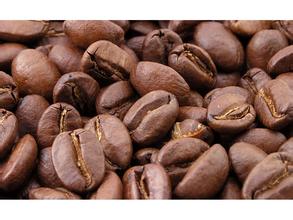
Sumatran coffees like Mandheling are processed using the wet-hulled method (also called Giling Basah), unique to the region. Due to frequent rain during harvest, farmers remove the outer skin, partially dry the beans to around 30–50% moisture, then remove the parchment layer early while the beans are still soft and damp. This speeds up drying but also imparts the coffee’s signature deep, earthy tones. The process is partly responsible for the bean’s rougher appearance and bold flavor profile. The beans are large, hard, and often uneven in color—traits that don’t affect quality but reflect traditional handling.
The Gold Standard: PWN Golden Mandheling
Among Mandhelings, the PWN Golden Mandheling is considered the pinnacle. Produced by Indonesia’s PWN (Pakar Wira Niaga), it adheres to rigorous standards: only beans sized 18 mesh or larger, with fewer than three defects per 300g sample, and three rounds of manual sorting. These beans are classified as G1—the highest grade—and are known for exceptional cleanliness and sweetness. The beans are larger and harder than average, and when roasted to medium or dark levels, they develop pronounced chocolate and nutty qualities. While most Golden Mandheling is exported to Japan and the U.S., limited quantities reach other markets—including select specialty roasters in Asia.
How to Brew Mandheling for Best Results
To get the most from Mandheling’s bold character, opt for a medium to dark roast and use a brew method that highlights body and sweetness—such as French press, AeroPress, or a well-controlled pour-over. Grind to a medium-coarse setting for immersion methods or slightly finer for pour-over. A typical brew ratio of 1:15 to 1:16 (coffee to water) works well. Aim for a water temperature of 92–94°C. The key is balance: let the coffee’s inherent sweetness and spice shine without being overpowered by bitterness.
Frequently Asked Questions
What does Mandheling coffee taste like?
Mandheling coffee is known for its full body, low acidity, and complex flavors including earthiness, wood, spice, dark chocolate, and dried fruit. The finish is typically sweet with notes of nuts, caramel, or molasses. Despite a strong initial bitterness, the aftertaste is smooth and long-lasting.
Where is Mandheling coffee grown?
Mandheling coffee is grown in the highland regions of North Sumatra, Indonesia, mainly around Lake Toba in the Lintong and Sidikalang areas. The coffee is cultivated at elevations between 750 and 1500 meters above sea level.
What is wet hull processing and how does it affect Mandheling?
Wet hulling, or Giling Basah, is a unique Sumatran processing method where coffee parchment is removed at higher moisture levels. This accelerates drying but contributes to the coffee’s signature earthy, spicy, and bold flavor profile. It also results in the beans’ often irregular appearance.
What is PWN Golden Mandheling?
PWN Golden Mandheling is a premium grade of Mandheling coffee produced by Indonesia’s PWN company. It meets strict G1 standards: beans are 18 mesh or larger, have less than 3 defects per 300g, and undergo three rounds of hand sorting. It is known for its high cleanliness, sweetness, and bold flavor.
Is Mandheling coffee high in caffeine?
Mandheling is an Arabica coffee, so its caffeine content is moderate compared to Robusta. While not exceptionally high in caffeine, its bold flavor and bitterness may create a stronger perceived effect.
How should I brew Mandheling coffee?
For best results, use a medium to dark roast and brew methods like French press, AeroPress, or pour-over. Grind to medium-coarse for immersion or slightly finer for pour-over. Use a brew ratio of 1:15 to 1:16 and water temperature of 92–94°C to highlight its body, sweetness, and spice notes.
Recommended FrontStreet Beans for Mandheling Fans
FrontStreet Coffee’s Indonesian PWN Golden Mandheling offers the classic profile: heavy body, low acidity, and deep earthy-chocolate tones with a sweet, spicy finish. For a more regional experience, try their Lintong Mandheling, which highlights the terroir of Lake Toba with bold spices and herbal notes. Both beans showcase the signature traits of Sumatran processing and are ideal for French press or dark roast pour-over. Freshly roasted within 5 days · Orders placed before 17:00 ship the same day · Next-day delivery across most of Guangdong Province.
FrontStreet Coffee is a long-established specialty coffee roaster in Guangzhou China, selling freshly roasted beans from its own farm in Yunnan as well as dozens of carefully selected single-origin beans from around the world for both pour-over and espresso. The products deliver consistently excellent quality and great value, with shipping within 24 hours. Guangzhou's FrontStreet Coffee shop is recommended by many coffee lovers, and the beans are now available online at the Tmall 。
Important Notice :
前街咖啡 FrontStreet Coffee has moved to new addredd:
FrontStreet Coffee Address: 315,Donghua East Road,GuangZhou
Tel:020 38364473