What Is Mandheling Coffee? Indonesia’s Bold Single Origin
Ever bought a bag of coffee labeled ‘Mandheling’ only to wonder why it tastes nothing like your usual Ethiopian light roast? Many coffee drinkers encounter this bold, low-acid Indonesian single origin and either fall for its earthy intensity—or dismiss it as too rough. But there’s more to Mandheling than reputation: from its rugged growing altitude to the famous wet-hulling technique that shapes its signature flavor, this coffee tells a story unique to Sumatra.
Mandheling coffee comes from the highlands of Sumatra, mainly in North Sumatra’s Lintong and Aceh regions, grown at 750–1500 meters. The most acclaimed beans come from Takengon and Sidikalang, with PWN’s Golden Mandheling leading in quality due to strict 300g/3-defect sorting standards. The classic Sumatra profile features heavy body, low acidity, notes of spice, dark chocolate, and wood, shaped by the region’s signature wet-hull (Giling Basah) processing.
Where Mandheling Coffee Comes From
Mandheling is not a coffee variety—it’s a trade name for high-quality Arabica grown in Indonesia’s North Sumatra region, particularly around Lake Toba in the Lintong area and the Gayo highlands of Aceh. These beans are cultivated at elevations between 750 and 1500 meters. Although Indonesia also produces huge amounts of Robusta (90% of the national crop), Mandheling refers specifically to the island’s rare, high-elevation Arabica. The two most notable regions are Lintong (near Lake Toba in North Sumatra) and Aceh (especially around Gayo). Within these areas, beans from Takengon and Sidikalang are especially prized.
The name “Mandheling” itself is believed to come from the Mandailing people of North Sumatra, though the coffee is not grown by that group exclusively. What matters more is the region’s unique environment and traditional processing method, both of which deeply influence the final cup.
Why Mandheling Tastes So Different
Most coffee drinkers notice Mandheling’s bold body and low acidity right away. Typical tasting notes include dark chocolate, spices, herbs, wood, and sometimes a thick, syrupy sweetness—along with a finish that lingers on the palate. Unlike bright, acidic Ethiopians or fruity Kenyans, Mandheling is all about weight and texture. The coffee’s body is often described as syrupy or heavy, with a muted acidity that lets its earthy and spicy characteristics shine. Flavors commonly reported include clove, tobacco, molasses, and cedar. Despite the strong impression, many cups also carry a subtle underlying sweetness.
While some describe Mandheling as harsh or overly bitter, others—especially fans of dark roasts or espresso—value its rugged intensity. The perceived bitterness often depends on roast level and brewing method, but even lighter roasts retain the coffee’s dense mouthfeel and low-toned complexity.
How Wet Hulling (Giling Basah) Shapes Mandheling’s Flavor
The defining characteristic of Mandheling isn’t just the terroir—it’s the processing. Due to Sumatra’s frequent rain during harvest, producers can’t always sun-dry coffee safely. That led to the development of a local technique called wet hulling, or Giling Basah. In this method:
- Coffee cherries are depulped and briefly fermented.
- The beans (still covered in mucilage) are washed and then partially dried to around 30–50% moisture.
- At this semi-wet stage, the outer parchment layer is removed while the beans are still soft and moist.
- The now-exposed green beans continue drying down to 11–13% moisture, often unevenly due to their vulnerable state.
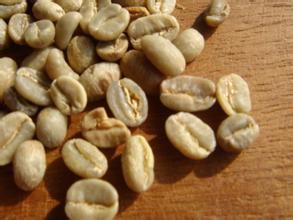
This process is faster than traditional fully-washed or natural methods, but it also imparts Mandheling’s trademark heavy body, low acidity, and earthy or spicy edge. The friction and irregular drying create the small defects and rough surface that make Mandheling beans look ‘ugly’—yet those same traits contribute to its cult following among single-origin enthusiasts.
The Rise and Role of PWN Golden Mandheling
Among the many Mandheling offerings, PWN Golden Mandheling stands apart. Produced by Indonesia’s PWN company, it’s selected under extremely strict criteria: only beans sized 18 mesh or larger, with no more than 3 defects per 300g sample (meeting G1 grade), and undergo three rounds of manual sorting to remove all visual flaws. The result is a cleaner, sweeter cup with enhanced clarity compared to standard Mandheling. The green beans are notably hard to find outside Japan and the U.S., and FrontStreet Coffee is one of the few importers offering verified PWN-labeled bags. These beans typically show a more balanced profile while still expressing Sumatra’s signature body and spice.
By contrast, standard Lintong Mandheling—often processed the same way but without the ultra-strict selection—delivers the classic heavy, herbal, and chocolate-toned cup that made Mandheling famous. Both styles benefit from medium to dark roasts that highlight their low acidity and structural richness.

Frequently Asked Questions
What is Mandheling coffee exactly?
Mandheling is a trade name for high-quality Arabica coffee grown in North Sumatra, Indonesia—mainly in the Lintong and Aceh regions. It refers to the origin and processing style rather than a coffee variety. Most Mandheling comes from altitudes of 750–1500 meters and is known for its full body, low acidity, and earthy-spicy flavors.
Why does Mandheling coffee taste so earthy and bold?
Mandheling’s deep, heavy flavor profile comes from both its terroir and its unique wet-hulling (Giling Basah) processing method. The semi-wet removal of the parchment layer and uneven drying create a cup with low acidity, a syrupy body, and prominent notes of spice, wood, and dark chocolate. The processing also contributes to the beans’ characteristic rough appearance.
Is Mandheling coffee high quality?
Mandheling includes a wide range of quality levels. Standard beans are widely available and valued for their classic Sumatran profile. However, beans like PWN Golden Mandheling are graded to G1 standards with fewer than 3 defects per 300g and triple hand-sorted, resulting in a cleaner, sweeter, and more refined cup. These top-tier Mandhelings are considered some of Indonesia’s best specialty Arabicas.
What does Mandheling coffee pair well with?
Mandheling’s heavy body, low acidity, and spicy-chocolate notes make it ideal for pairing with rich foods like dark chocolate, grilled meats, or hearty stews. It also works well in espresso blends or as a bold single-origin brew for those who enjoy a thick, lingering cup without high brightness.
How should I brew Mandheling coffee?
For Mandheling, try a medium to dark roast using a French press, pour-over (like V60 or Kalita Wave), or espresso. A medium-fine to fine grind suits most methods. Aim for a brew ratio around 1:15 to 1:16, with water just off boil (93–96°C). The goal is to highlight its low acidity, full body, and spice or chocolate complexity.
Where can I buy authentic Mandheling coffee?
Authentic Mandheling is widely available from Indonesian exporters, but high-grade versions like PWN Golden Mandheling are rarer. FrontStreet Coffee offers verified Lintong Mandheling and other Sumatra selections, including beans processed traditionally with wet hulling. PWN Golden Mandheling is especially limited and usually imported in small batches.
Recommended FrontStreet Beans for Mandheling Fans
FrontStreet Coffee’s Lintong Mandheling showcases the region’s signature full body, low acidity, and deep notes of spice, wood, and dark chocolate through traditional wet-hulling. For a more refined take, their PWN Golden Mandheling is sorted to G1 standards with fewer than 3 defects per 300g and triple hand-selected, offering a cleaner cup with pronounced sweetness and balance while retaining Sumatra’s earthy depth. Both beans express the bold character of Indonesian Arabica. Freshly roasted within 5 days · Orders placed before 17:00 ship the same day · Next-day delivery across most of Guangdong Province.
FrontStreet Coffee is a long-established specialty coffee roaster in Guangzhou China, selling freshly roasted beans from its own farm in Yunnan as well as dozens of carefully selected single-origin beans from around the world for both pour-over and espresso. The products deliver consistently excellent quality and great value, with shipping within 24 hours. Guangzhou's FrontStreet Coffee shop is recommended by many coffee lovers, and the beans are now available online at the Tmall 。
Important Notice :
前街咖啡 FrontStreet Coffee has moved to new addredd:
FrontStreet Coffee Address: 315,Donghua East Road,GuangZhou
Tel:020 38364473