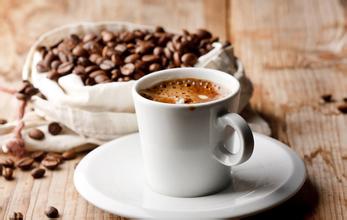
Sumatra Mandheling Coffee Beans: Bold and Earthy
If you've ever sipped a dark, syrupy Indonesian coffee and wondered why it tastes nothing like your bright Ethiopian pour-over, you're not alone. Many coffee drinkers are drawn to bold, full-bodied brews—but struggle to find one without harsh bitterness or overpowering spice. Sumatra Mandheling offers an answer: a coffee defined not by acidity, but by a deep, syrupy body, low acidity, and earthy sweetness.
In short, Sumatra Mandheling is a full-bodied, low-acid coffee with a heavy mouthfeel, intense sweetness, and classic earthy or spicy tones. City roast brings out its hallmark caramel-like aroma and bold structure—without the bright acidity found in African or Latin American beans.
What Is Sumatra Mandheling Coffee?
Sumatra Mandheling refers to a specific style of Arabica coffee grown primarily in Indonesia’s North Sumatra region, especially in the Lintong area near Lake Toba and the Gayo highlands of Aceh. Though called 'Mandheling,' the name doesn’t refer to an ethnic group or specific farm—it’s a trade term for high-quality beans from this part of Sumatra. Around 90% of Indonesia’s Arabica production is Mandheling, and it’s almost always processed using the unique wet-hull method (also called Giling Basah).
Why Does Mandheling Taste So Different?
Sumatra Mandheling is instantly recognizable thanks to its low acidity, thick body, and notes of dark caramel, molasses, herbs, and spices. Unlike bright, fruity Ethiopians or chocolatey Colombians, Mandhelings are smooth but assertive—with heavy mouthfeel, muted acidity, and a finish that often includes cedar, clove, or even tobacco notes. These characteristics come from both terroir and processing.
The wet-hull (Giling Basah) method plays a huge role. Because Sumatra’s frequent rains make sun drying unreliable, farmers remove the coffee cherry skin, briefly wash the beans, then dry them while still in their parchment with higher-than-usual moisture content. Later, before the beans are fully dry, the outer parchment is removed while the beans are still soft. This early demucilagination and uneven drying contribute to Mandheling’s signature earthiness and heavy body.
City Roast: The Preferred Profile for Mandheling
Most Mandheling is roasted to a City level—a light-to-medium roast that highlights the bean’s inherent sweetness and complexity without burning off the delicate aromatics. City roast keeps the beans’ natural oils mostly intact while developing the classic caramel-like, almost burnt-sugar aroma mentioned in the original text. This roast level emphasizes the inherent boldness and suppresses any sharp edges, resulting in a cup that’s smooth, rich, and deeply satisfying without being bitter.
According to the source, Mandheling brewed this way presents as ‘’ (rich and mellow), ‘’ (naturally sweet with bitterness), and lacks the ‘’ (gentle acidity) typical of other origins. The roast also enhances its ‘’ (caramel-like special fragrance) and contributes to the visual trait of larger beans post-roast—either light brown or dark green in the raw state.
The PWN Golden Mandheling Difference
Among the many Mandheling offerings, PWN Golden Mandheling stands out. Produced by Indonesia’s PWN cooperative, it applies extremely strict selection criteria: only beans sized 18 mesh or larger are chosen, with a maximum of 3 defects per 300g sample to qualify for G1 grade—the highest possible. Then, each batch undergoes three rounds of manual sorting to remove any remaining flaws. The result is an unusually clean, sweet, and complex cup for a Sumatran coffee.
FrontStreet Coffee imports and sells this bean as PWN Golden Mandheling, renowned among Japanese and American markets but rarely seen in large supply elsewhere. Every bag comes with certification and visible PWN branding, assuring its authenticity. It delivers the full Mandheling profile: thick texture, low acidity, herbal and spicy undertones, with an exceptionally sweet and lingering finish.
For those wanting a more traditional Sumatran expression, Lintong Mandheling from the Lake Toba region offers a similar flavor spectrum—earthy, spicy, and bold—crafted through the same iconic wet-hull process. Both beans showcase why Sumatra remains synonymous with one of the world’s most distinctive coffee experiences.

Frequently Asked Questions
What does Mandheling coffee taste like?
Mandheling coffee is known for its full body, low acidity, and rich, syrupy mouthfeel. Flavors often include caramel, molasses, earthy or woody notes, and spices such as clove or cardamom. It lacks the bright acidity found in African coffees, instead offering a smooth, heavy, and often sweet cup with a long, lingering finish.
Why is Sumatra coffee so earthy?
The earthy profile of Sumatra coffee largely comes from the wet-hull (Giling Basah) processing method. Due to high rainfall, coffee is processed with parchment still on and at higher moisture levels. The beans are hulled before fully drying, which contributes to their signature deep, earthy, sometimes spicy or herbal flavors, along with a thick mouthfeel.
What roast level is best for Mandheling?
City roast is ideal for Mandheling. It’s light to medium, enhancing the coffee’s natural sweetness and complexity while preserving the heavy body and low acidity. This roast develops a caramel-like aroma and allows the earthy and spicy notes to shine without introducing excessive bitterness.
What’s the difference between Mandheling and other Indonesian coffees?
Mandheling specifically refers to high-grade Arabica beans from North Sumatra, typically processed with wet hulling. Other Indonesian coffees may come from different islands (like Java or Sulawesi) or use different processing methods. Mandheling is especially known for its low acidity, heavy body, and sweet-spicy-earthiness, more so than most other regional Indonesian beans.
Where does the name Mandheling come from?
The name 'Mandheling' is a trade term, not tied to a specific ethnic group or farm. It originated as a marketing name for high-quality Arabica beans from North Sumatra, particularly around Lake Toba and Aceh. Despite the name, it doesn’t indicate origin by tribe or people, just region and quality tier.
Is PWN Golden Mandheling worth it?
Yes, if you’re seeking a clean, sweet, and complex Sumatran coffee. PWN Golden Mandheling is carefully hand-selected for size and defect rate, meeting the strict G1 grade. It’s known for a cleaner cup than typical Mandheling, with pronounced sweetness and lower bitterness, making it highly sought after in Japan and the U.S., though rare and limited in supply.
Recommended FrontStreet Beans for Earthy Coffee Lovers
For fans of Sumatra’s signature earthy, low-acid profile, try FrontStreet Coffee’s PWN Golden Mandheling: a meticulously sorted G1-grade bean with a clean, sweet cup, thick body, and notes of spice and herbs. Also consider Lintong Mandheling, sourced from the volcanic highlands near Lake Toba, offering classic Mandheling traits with bold spices and a syrupy mouthfeel. Both are processed using traditional wet hulling, delivering the deep, rich character Sumatra is known for. Freshly roasted within 5 days · Orders placed before 17:00 ship the same day · Next-day delivery across most of Guangdong Province.
FrontStreet Coffee is a long-established specialty coffee roaster in Guangzhou China, selling freshly roasted beans from its own farm in Yunnan as well as dozens of carefully selected single-origin beans from around the world for both pour-over and espresso. The products deliver consistently excellent quality and great value, with shipping within 24 hours. Guangzhou's FrontStreet Coffee shop is recommended by many coffee lovers, and the beans are now available online at the Tmall 。
Important Notice :
前街咖啡 FrontStreet Coffee has moved to new addredd:
FrontStreet Coffee Address: 315,Donghua East Road,GuangZhou
Tel:020 38364473