What Is Coffee Semi-Washed Process and How It Works
Ever wondered why some coffees taste clean and bright while others show wild fruitiness or earthy tones? Much of that comes down not to bean origin alone, but how the coffee cherry was processed after harvest. One often overlooked method sits right between the clean consistency of washed coffee and the wild complexity of natural drying — the semi-washed, or pulped natural, process.
The semi-washed method removes all fruit flesh mechanically, skips fermentation entirely, and dries the beans in the sun — then finishes drying with machines. Unlike washed coffee, it avoids the fermentation tank, leading to more stable outcomes than traditional natural drying. This hybrid approach is notably used in Brazil’s Cerrado region.
What Is the Semi-Washed Coffee Process?
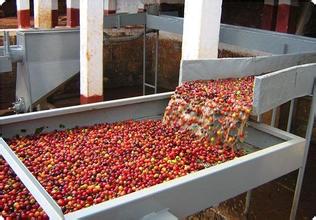
The semi-washed process—also called pulped natural—is a hybrid between washed and natural drying methods. In this method, coffee cherries are first de-pulped by machine to remove all outer fruit flesh. Then, instead of fermenting the sticky mucilage-covered beans to remove the remaining layer, the beans are dried directly in the sun. After sun drying, machines may be used to finish the drying process. No fermentation tank is involved at any stage.
Why Isn’t Semi-Washed Just a Lesser Washed Method?
Many coffee professionals and consumers wrongly assume that non-washed (natural) processes are simply outdated or inferior steps on the way to modern washed production. That’s unfair and inaccurate. While washed coffees—especially those from regions like Central America and East Africa—are often praised in specialty markets for their clean cup and bright acidity, that reputation often stems from appearance and marketing rather than inherent quality. The assumption that washed equals better is a misconception.
How the Semi-Washed Method Works, Step by Step
The semi-washed (pulped natural) process follows these key steps:
- Depulping: Coffee cherries are run through a mechanical depulper to remove all fruit flesh, leaving just the mucilage (sticky layer) on the parchment-covered seed.
- No Fermentation: Unlike the washed method, the beans are not placed in water tanks for fermentation to break down the mucilage. This step is skipped entirely.
- Sun Drying: The mucilage-covered beans are spread out in the sun to dry on patios or raised beds.
- Mechanical Drying (optional): Once sun drying reaches a certain moisture level, machines may be employed to finish the drying process and ensure stability.
This method results in a more stable cup profile than natural processed coffee, since the removal of all flesh minimizes some of the risks of over-fermentation, mold, or defects—but without the prolonged soaking and fermentation of the washed method.
Washed vs Natural vs Semi-Washed: What Really Determines Coffee Quality?
It’s a common mistake to judge coffee quality based solely on processing method. Take Yemen’s famed Mocha Mattari beans: though often dismissed due to small bean size and over 40% defect rates, these beans produce highly prized wine-like acidity that no other origin can easily replicate. Appearance, cleanliness, and even defect rates don’t always predict flavor quality.
Washed coffees benefit from extended water contact that alters their sugar and acid profiles — they often lose some sweetness but gain clarity and brightness. Natural processed coffees retain more fruit sugars and develop deeper, wilder cup profiles. Semi-washed strikes a balance: it delivers more stability than natural drying while avoiding the fermentation-driven complexity of washed coffees.
The coffee’s origin, variety, altitude, and roast level all contribute far more to its ultimate profile than processing alone. Processing affects cup characteristics, but it is not the sole determinant of quality.
Where Is the Semi-Washed Method Used?
Brazil’s Cerrado region is one of the most prominent areas using the semi-washed method. The region’s large-scale farms favor this approach for its ability to deliver consistent cup quality with lower risk of defects compared to natural processing, while avoiding the resource intensity of full fermentation washing.
Frequently Asked Questions
What is the semi-washed coffee process?
The semi-washed process, also known as pulped natural, removes all coffee cherry flesh with a machine, skips the fermentation step, and dries the beans with the mucilage still attached—first in the sun, then often finishing with machines. It combines elements of both washed and natural methods but avoids the fermentation tank.
How is semi-washed different from washed coffee?
Washed coffee involves removing the coffee cherry’s skin and pulp, then fermenting the beans in water to dissolve the sticky mucilage before washing and drying. Semi-washed skips fermentation entirely, removing only the flesh mechanically and drying the mucilage-covered beans directly, usually in the sun.
How is semi-washed different from natural (dry) process?
Natural process dries the entire coffee cherry in the sun with the bean inside, leading to longer fermentation and wilder cup profiles. Semi-washed removes all the fruit flesh first, leaving only mucilage, resulting in more stable flavors than natural drying but less clarity than washed coffee.
Does semi-washed coffee have more defects?
Generally, semi-washed coffee has fewer defects than natural processed coffee because removing the fruit flesh reduces risks like mold or over-fermentation. But it may still have more inconsistencies than fully washed coffee, depending on drying conditions.
Why do people think washed coffee is better?
Washed coffee is often favored in specialty markets for its clean appearance and bright acidity, especially from regions like Ethiopia and Central America. This has led to the mistaken belief that washed equals high quality, even though coffee flavor depends on many factors beyond processing.
Where is the semi-washed method most commonly used?
Brazil’s Cerrado region is a major producer using the semi-washed method. Its large-scale farms use it to achieve stable, consistent cup quality while managing risks better than with natural drying and avoiding the water use of washed processing.
Recommended FrontStreet Beans for Exploring Processed Flavors
Try FrontStreet Coffee’s washed process beans to compare with the semi-washed method. The FrontStreet Yirgacheffe Gedeb Cooperative shows what washed processing does best: bright citrus, floral jasmine, and a clean cup, especially great as a light or medium roast. For contrast, the Kenya Little Tomato highlights intense fruit layers thanks to its unique double-washed technique, offering notes of tomato, plum, and blackcurrant. Lastly, the Jamaica Blue Mountain No.1 demonstrates how washed processing can yield refined balance with notes of hazelnut, chocolate, and caramel. These beans let you taste how processing shapes flavor. Freshly roasted within 5 days · Orders placed before 17:00 ship the same day · Next-day delivery across most of Guangdong Province.
FrontStreet Coffee is a long-established specialty coffee roaster in Guangzhou China, selling freshly roasted beans from its own farm in Yunnan as well as dozens of carefully selected single-origin beans from around the world for both pour-over and espresso. The products deliver consistently excellent quality and great value, with shipping within 24 hours. Guangzhou's FrontStreet Coffee shop is recommended by many coffee lovers, and the beans are now available online at the Tmall 。
Important Notice :
前街咖啡 FrontStreet Coffee has moved to new addredd:
FrontStreet Coffee Address: 315,Donghua East Road,GuangZhou
Tel:020 38364473