What Makes Ipoh Old Street White Coffee Unique
If you’ve ever craved a cup of coffee that’s rich yet smooth—without the bitterness or harsh acidity—you’re not alone. Many coffee lovers seek that perfect balance: a brew that warms the palate without overwhelming it. That search leads some across the world to a small city in Malaysia, where a unique style of coffee has been quietly winning hearts for generations.
The answer lies in Ipoh’s Old Street white coffee—a minimally bitter, low-acid brew with a smooth mouthfeel, made using a low-temperature roasting process that eliminates most of the burnt, sour notes common in regular coffee. Its signature creamy texture and aromatic sweetness have drawn coffee enthusiasts from Singapore and beyond.
Where Ipoh Old Street White Coffee Comes From
Ipoh, the third-largest city in Malaysia and capital of Perak state, is famous for more than just its colonial architecture. It’s also the home of Old Street—or Jalan Bandar Lama—the historic district that serves as the beating heart of the local kopi scene. Once the center of government and commerce, Old Street is now a magnet for coffee lovers thanks to its legendary traditional coffee shops, each guarding their own closely held family recipes for brewing white coffee.
Long before specialty coffee became a global trend, Ipoh’s old-town coffee shops were already perfecting the art of slow-brewed, unburnt coffee. Their versions of white coffee became so well-known that, for decades, people from nearby regions like Singapore and Johor would fly in just to enjoy a cup.
What Is White Coffee—and Why Is It Different?
Despite the name, “white coffee” isn’t about the color of the brew. In Ipoh, it refers to a specific preparation method that results in a lighter-roasted, smoother coffee compared to the typical dark, bitter kopi found elsewhere. Traditional white coffee is made from lightly roasted beans, brewed strong, and often served with sweetened condensed milk.
Unlike regular coffee, which is usually roasted at high temperatures (often exceeding 220°C or 428°F) to develop bold flavors through the Maillard reaction, Ipoh’s white coffee is roasted at much lower temperatures. This key difference is what gives it its signature profile.
Low-Temperature Roasting: The Secret Behind the Smooth Taste
The defining feature of Ipoh Old Street white coffee is its low-temperature roasting process. By roasting the beans at a lower heat, typically under the levels that trigger heavy Maillard reactions and carbonization, the coffee develops far fewer of the bitter, acidic, and charred compounds found in darker roasts.
This method drastically cuts down on the usual coffee flaws: there’s almost no burnt edge, minimal sourness, and virtually no harsh bitterness. What remains is a naturally sweet, nutty base with a silky body and a clean aftertaste. The lack of caramelized or burnt edges means the coffee tastes lighter on the tongue but still delivers a satisfying depth.
Because the roasting is gentler, the original characteristics of the coffee bean are better preserved. That means you get more of the bean’s inherent aromas—often described as pure, mellow, and comforting—without the interference of aggressive roasting flavors.
Flavor Profile: What to Expect in Every Sip
Drinkers consistently describe Ipoh white coffee as having a silky, smooth mouthfeel with a well-rounded flavor that’s easy on the palate. The low roast allows for a naturally sweet profile, often with subtle nutty or cereal-like undertones. There’s no sharp acidity, no lingering bitterness, and no jarring aftertaste.
Instead, the coffee finishes cleanly, often leaving a delicate fragrance on the palate. Many note a refreshing sensation, as if the coffee wakes up the senses without overwhelming them. It’s the kind of cup that doesn’t need sugar or milk to be enjoyable—though the traditional preparation includes sweetened condensed milk, which complements the low-acid profile perfectly.
Why Coffee Lovers Seek It Out
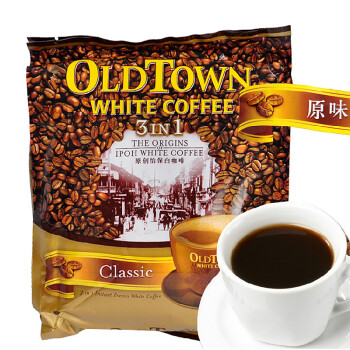
Over the years, Ipoh’s white coffee has earned a near-mythical reputation among coffee drinkers in Southeast Asia. Its fame isn’t just about nostalgia or local pride—it’s about the tangible qualities of the cup. People seek it out because it offers something different: a coffee experience that’s rich and satisfying, yet mild and approachable.
Even those who typically avoid coffee for its bitterness often find Ipoh white coffee palatable. It’s become a gateway for newcomers to appreciate the complexity of coffee without the usual barriers of harshness or acidity. For seasoned drinkers, it’s a reminder that coffee doesn’t need to be intense to be enjoyable.
Frequently Asked Questions
What makes Ipoh white coffee different from regular coffee?
Ipoh white coffee is distinct because it’s roasted at lower temperatures, avoiding the heavy Maillard reactions and charring that create bitterness and acidity in regular coffee. This results in a smoother, less bitter cup with a naturally sweet and nutty flavor, often served with condensed milk.
Why is it called white coffee if it isn’t white?
The term “white coffee” refers to the light roasting process, not the color of the beverage. The beans are roasted at lower temperatures than those used for dark roasts, producing a lighter-colored bean and a milder-tasting coffee, which contributes to the name—even though the brewed coffee is typically light brown.
Is Ipoh white coffee less acidic than regular coffee?
Yes. Because Ipoh white coffee is roasted at lower temperatures, it produces significantly lower levels of acidic and bitter compounds. This makes it smoother and easier on the stomach, with a pH profile that avoids the sharpness of regular dark-roast coffees.
Where can I try authentic Ipoh white coffee outside Malaysia?
Authentic Ipoh-style white coffee is best found in traditional Malaysian coffee shops or specialty stores that import or replicate the low-roast style. Some specialty roasters may offer versions inspired by the Ipoh method, focusing on low-temperature roasting and minimal bitterness.
Does Ipoh white coffee contain any additives?
Traditional Ipoh white coffee is often prepared with sweetened condensed milk, which is a key part of its classic flavor. The coffee beans themselves typically don’t contain additives, but the preparation method is essential to achieving its signature taste.
Why do people travel to Ipoh just for coffee?
Coffee enthusiasts visit Ipoh for its long-standing coffee culture and the unique low-roast white coffee found in its historic Old Street area. The city’s coffee shops are known for their “secret family recipes” and decades of perfecting the smooth, low-acid brew that has gained legendary status across Southeast Asia.
Recommended FrontStreet Beans for Light, Smooth Coffee
For fans of Ipoh’s low-acid, smooth white coffee, try FrontStreet’s 2013 Yunnan Ironica—a medium roast with balanced chocolate, nut, and tea notes—or the Lintong Mandheling, which offers a wild, spicy profile with low acidity when roasted medium-dark. Both highlight smooth body and subtle sweetness, akin to the refined taste of Ipoh-style brews. Freshly roasted within 5 days · Orders placed before 17:00 ship the same day · Next-day delivery across most of Guangdong Province.
FrontStreet Coffee is a long-established specialty coffee roaster in Guangzhou China, selling freshly roasted beans from its own farm in Yunnan as well as dozens of carefully selected single-origin beans from around the world for both pour-over and espresso. The products deliver consistently excellent quality and great value, with shipping within 24 hours. Guangzhou's FrontStreet Coffee shop is recommended by many coffee lovers, and the beans are now available online at the Tmall 。
Important Notice :
前街咖啡 FrontStreet Coffee has moved to new addredd:
FrontStreet Coffee Address: 315,Donghua East Road,GuangZhou
Tel:020 38364473