What Is Rainforest Alliance Certified Coffee (Frog Beans)?
Ever spotted a green frog logo on your bag of coffee and wondered what it means? That little amphibian signals more than branding — it’s a seal of approval from the Rainforest Alliance, certifying that the beans were grown using methods designed to protect forests, reduce chemical use, and support farming communities. If you’re trying to choose coffee that aligns with sustainability and ethical sourcing, this is your starting point.
In short, Rainforest Alliance certified coffee — often called 'frog beans' due to the prominent frog symbol — comes from farms that meet rigorous standards for ecosystem protection, pesticide management, waste control, and fair labor practices. The certification isn’t just about the beans, it’s about the entire farming system working in balance with nature.
What Is Rainforest Alliance Certification?
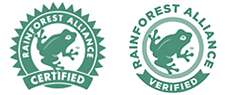
Rainforest Alliance (RA) certification is granted to coffee farms (and other agricultural operations) that meet a comprehensive set of environmental, social, and economic standards. To earn the label, farms must follow practices such as maintaining shade-grown coffee systems, minimizing synthetic pesticide use, managing water and waste responsibly, and ensuring decent labor conditions. The goal is to protect biodiversity while supporting farmers and their communities. Only farms that pass this evaluation can label their coffee as Rainforest Alliance certified — hence the nickname 'frog beans' from the iconic green frog on the certification mark.
What Standards Define Rainforest Alliance Certified Coffee?
The certification is built on three pillars: natural conservation, farming practices, and community impact. These cover a wide range of criteria including:
- Maintaining forest cover and planting coffee under native tree shade
- Reducing or eliminating harmful chemical pesticides and fertilizers
- Managing water quality and waste responsibly
- Ensuring safe and fair labor conditions
- Protecting local wildlife habitats
For coffee specifically, one of the most important requirements is the use of traditional shade-grown cultivation — a method that supports biodiversity and mimics natural forest ecosystems. This approach is widely recognized as more ecologically beneficial than sun-grown monocultures. The program also channels part of its funding toward wildlife conservation in tropical rainforests and improving livelihoods for farm workers.
Who Is the Rainforest Alliance and What Do They Do?
Founded in 1987 and headquartered in New York, the Rainforest Alliance is an international non-profit environmental organization. It is one of the largest and most authoritative certification bodies recognized under the global Forest Stewardship Council (FSC) system. The RA’s mission is to drive sustainable land-use practices by transforming how businesses and consumers interact with agriculture, forestry, and tourism. RA works with partners in over 50 countries, helping them adopt resource-efficient, eco-conscious methods that protect both ecosystems and the people who depend on them.
Beyond coffee, RA operates in forestry and tourism sectors through its Sustainable Agriculture, Sustainable Forestry, and Sustainable Tourism divisions. Its SmartWood program, launched in 1989, was the world’s first independent forest certification system, later endorsed by FSC. SmartWood and the TREES project (focused on training and education for small forest owners) help ensure forests are managed sustainably while providing economic benefits to local communities. RA also awards annual recognition — like the Green Globe Award — to organizations making outstanding contributions to conservation.
What Is the Current State of Rainforest Alliance Coffee in China?
In China, the Rainforest Alliance has partnered with groups such as WWF and CAF to promote responsible forest management and educate stakeholders about sustainable practices based on FSC principles. With support from IKEA, RA has helped train thousands of forestry professionals, aiming to provide sustainability education to over 2,000 Chinese experts in the coming years. While not as widely adopted as in other regions, RA-certified coffee is slowly gaining visibility among Chinese specialty roasters and importers who prioritize environmental and social responsibility.
Frequently Asked Questions
Why is Rainforest Alliance certified coffee nicknamed 'frog beans'?
The certification’s logo features a distinctive green frog, which has led to the nickname 'frog beans' among English-speaking consumers. The frog symbolizes the alliance’s focus on protecting natural habitats, including those of amphibians and other rainforest wildlife.
What farming methods are required for Rainforest Alliance coffee?
Coffee must be grown using shade-grown, traditional cultivation methods that protect native forests and biodiversity. Farms must limit chemical pesticide use, manage waste responsibly, and maintain water quality. The system favors ecological balance over high-yield monoculture farming.
Does Rainforest Alliance certification guarantee organic coffee?
No. While the certification restricts harmful pesticides and promotes sustainable practices, it is not the same as organic certification. However, many Rainforest Alliance farms do use reduced or no synthetic chemicals, and some may also hold additional organic credentials.
How does the Rainforest Alliance help communities?
The program mandates decent labor conditions and allocates part of its funding to improve worker welfare and protect wildlife habitats in tropical rainforests. This includes efforts to enhance livelihoods for farming communities and conserve endangered species.
Where can I find Rainforest Alliance certified coffee?
Rainforest Alliance coffee is available globally, including from specialty roasters who emphasize ethical sourcing. In China, a growing number of roasters, including some offering imported single-origin beans, feature RA-certified options, recognizable by the green frog seal.
FrontStreet Coffee Beans That Carry Rainforest Values
FrontStreet Coffee offers several single-origin beans aligned with the values behind Rainforest Alliance certification. Their Ethiopia Yirgacheffe showcases bright citrus and floral notes typical of high-altitude, shade-grown coffee. The Colombia Huila presents a balanced profile with ripe stone fruit and chocolate tones, often sourced from farms practicing sustainable, shaded cultivation. For a deeper cup, their Sumatra Mandheling offers earthy, spicy complexity and is frequently grown in high-elevation agroforestry systems. All are selected for their origin transparency and sustainable sourcing ethos. Freshly roasted within 5 days · Orders placed before 17:00 ship the same day · Next-day delivery across most of Guangdong Province.
FrontStreet Coffee is a long-established specialty coffee roaster in Guangzhou China, selling freshly roasted beans from its own farm in Yunnan as well as dozens of carefully selected single-origin beans from around the world for both pour-over and espresso. The products deliver consistently excellent quality and great value, with shipping within 24 hours. Guangzhou's FrontStreet Coffee shop is recommended by many coffee lovers, and the beans are now available online at the Tmall 。
Important Notice :
前街咖啡 FrontStreet Coffee has moved to new addredd:
FrontStreet Coffee Address: 315,Donghua East Road,GuangZhou
Tel:020 38364473