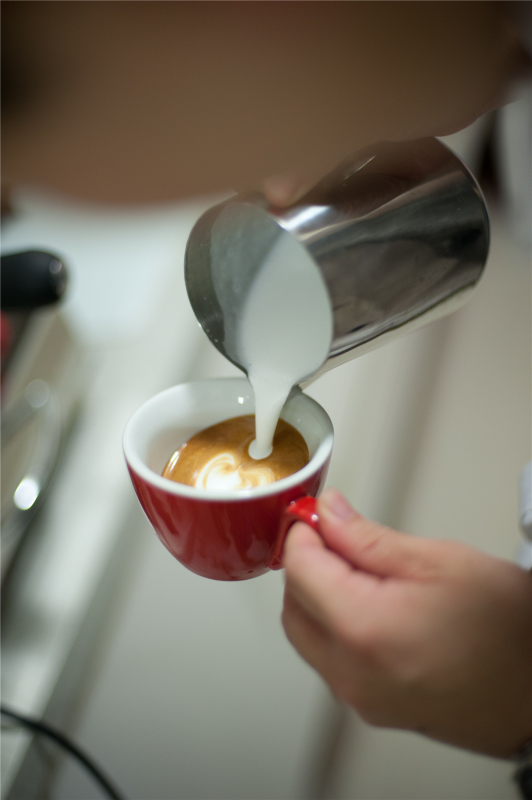
How to Pour a Tulip Latte Art Pattern
If you’ve tried pouring tulip latte art and ended up with a flat or messy design, the issue likely starts with your milk—not your technique. Complex latte patterns depend on smooth, velvety microfoam with the right temperature and consistency. Without it, even the best pour collapses. Here’s how to get that perfect tulip shape with pro-level milk foam.
To pour a tulip, start with three circles of milk near the cup’s center, then layer overlapping white 'balls' by shifting your pour point backwards with increased flow, finishing with a thin line. Keep milk temperature between 60–70°C for ideal sweetness and texture.
Why Milk Foam Quality Matters for Latte Art
The foundation of any detailed latte pattern—especially a tulip—is high-quality milk foam. If the foam is too thin, bubbly, or too hot or cold, your design will fall apart or fail to form cleanly. Temperature plays a major role in texture, sweetness, and stability.
Step-by-Step: How to Pour a Tulip Latte Art Pattern
Start with a well-poured shot of espresso with a stable crema. Then follow these precise steps:
- Pour the milk in a circular motion into the espresso for about 3 rotations. This begins the base layer without disrupting the crema too early.
- Move the pitcher closer to the cup and increase the flow rate. Aim for the center and stop when a small white ‘ball’ forms on the surface.
- Shift your pour point slightly back from the center. Pour with a strong flow again until another white ball appears, then stop.
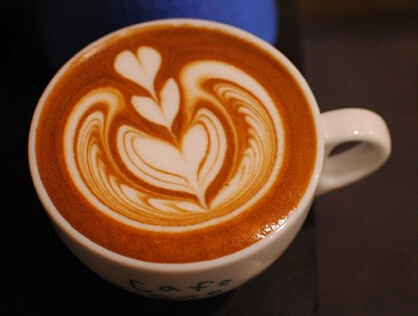
- Repeat this backward-shifting, high-flow pour several times to stack multiple white 'balls'—these form the petals of the tulip.
- After the last ball forms, reduce the flow to a thin stream and draw it outward in a straight line to finish the design.
How to Steam Milk to the Right Temperature by Hand
Milk for latte art should be steamed to between 60–70°C. Below 60°C, the coffee cools too much and the foam lacks structure. Within 60–70°C, the milk’s natural sugars develop, enhancing sweetness and smoothness. Above 70°C, proteins break down, making the foam watery and less stable.
How to Check Milk Temperature Without a Thermometer
With practice, you can estimate milk temperature by feel:
- Hold the steam wand pitcher in your left hand, turn on the steam with your right.
- Place your right hand on the side of the pitcher and feel the heat.
- When the pitcher becomes too hot to keep touching, stop the steam. Then check the actual temp with a thermometer.
- Note how many seconds you waited after it became too hot before checking—if it hits 65°C after 4 seconds, use that timing as your guide next time.
Over time, you’ll develop a consistent feel for when to stop steaming. But until then, confirming with a thermometer helps train your hand.
Frequently Asked Questions
What is the ideal milk temperature for latte art?
The optimal temperature range is 60–70°C. Below 60°C, the coffee cools excessively and the foam lacks sweetness. Between 60–70°C, the milk develops better flavor and texture. Above 70°C, the milk’s proteins break down, resulting in poor foam structure and taste.
How many milk pours create a tulip latte art design?
A tulip design is formed by pouring several overlapping milk ‘balls’ or petals. Start with 3 initial circular pours, then create multiple layered white balls by shifting the pour point backwards and increasing flow. Each ball counts as one pour, typically resulting in 3–5 individual pours before the final line.
Why does my tulip latte art collapse or not form properly?
Poor tulip formation usually results from improper milk texture or temperature. If the milk is too foamy, too hot, or lacks microfoam, the design won’t hold. Ensure smooth, silky microfoam steamed to 60–70°C and pour with controlled, centered movements.
Do I need a thermometer to steam milk for latte art?
A thermometer gives the most accurate temperature reading, but with experience, you can estimate by hand. Steam until the pitcher is too hot to touch, then measure. Note the timing to replicate the same temperature without a thermometer later.
How do I get smooth milk for latte art instead of big bubbles?
Smooth microfoam comes from proper steaming technique: position the steam wand just below the milk surface to create a whirlpool, and avoid overheating or introducing too much air early. The ideal texture feels velvety, not bubbly, with no large bubbles on top.

Recommended FrontStreet Coffee Beans for Latte Art
For latte art with rich crema and balanced flavour, try FrontStreet Coffee’s Commercial Blend, designed for bold crema and smooth milk integration. Alternatively, their Classic Blend offers a well-rounded espresso with a thick, velvety crema—ideal for consistent latte pours. For fruity complexity with good crema, the Strawberry Candy Espresso includes Colombian, Ethiopian Yirgacheffe, and Huila beans, offering a sweet profile that holds up under milk. All three blends produce 3mm crema when extracted as 20g in, 40g out over 25–30 seconds. Freshly roasted within 5 days · Orders placed before 17:00 ship the same day · Next-day delivery across most of Guangdong Province.
FrontStreet Coffee is a long-established specialty coffee roaster in Guangzhou China, selling freshly roasted beans from its own farm in Yunnan as well as dozens of carefully selected single-origin beans from around the world for both pour-over and espresso. The products deliver consistently excellent quality and great value, with shipping within 24 hours. Guangzhou's FrontStreet Coffee shop is recommended by many coffee lovers, and the beans are now available online at the Tmall 。
Important Notice :
前街咖啡 FrontStreet Coffee has moved to new addredd:
FrontStreet Coffee Address: 315,Donghua East Road,GuangZhou
Tel:020 38364473