How to Grind Coffee Beans at Home Without a Grinder
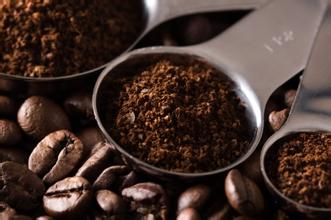
If you’ve ever found yourself without a coffee grinder but still wanted a fresh cup, you’re not alone. The biggest challenge isn’t just making coffee—it’s unlocking the full flavor locked inside whole beans. Pre-ground coffee loses aroma quickly, especially if not stored properly. So how can you turn whole beans into brew-ready grounds without a machine?
The simplest solution? Grind your beans manually using tools you already have—like a pestle and mortar, hammer, rolling pin, or even a blender. Each method works, though with varying effort and consistency. But the most important factor? Matching your grind size to your brewing method.
Why Freshly Ground Coffee Matters
Coffee reaches its peak flavor right after roasting, but once ground, it starts losing aroma almost immediately due to oxidation. Without airtight storage, ground coffee deteriorates even faster. That’s why brewing experts recommend grinding your beans right before brewing. The difference in flavor between freshly ground and pre-ground coffee is stark—especially if the grounds sit too long or absorb moisture and odors.
Manual Grinding Methods: No Grinder, No Problem
You don’t need a high-end electric burr grinder to get coffee grounds. Here are several manual techniques using common household items:
- Pestle and Mortar: Grind a few beans at a time to avoid spillage. Work slowly and increase quantity as you get the hang of it. Patience is key for consistent results.

- Hammer: Place beans in a strong plastic bag, parchment paper, or wrapped in a towel. Smash gently but firmly. Be prepared for uneven particle sizes.

- Rolling Pin: Similar to the hammer method. Wrap beans in plastic or cloth and apply pressure while rolling back and forth until you reach the desired grind size. A sturdy jar or can works too.

- Hand-crank Meat Grinder or Crusher: An old-school manual tool that can produce uniform grounds with some effort.
- Blender: A surprisingly effective option. Blend beans in short bursts to achieve a consistent grind, though watch for unevenness if overdone.
Choosing the Right Grind Size for Your Brew Method
Grind size isn’t arbitrary—it’s tied directly to brew time and method. Shorter brew times need finer grinds; longer ones require coarser grounds. Here’s how it breaks down:
- Coarse Grind: Like coarse sea salt or gravel. Best for filter drip pots (e.g., American-style percolators). These produce long extractions, hence the need for larger particles.

- Medium Grind: Similar to sand. Ideal for pour-over cones, french press, Chemex, and fabric (e.g., Hario V60 or Kalita Wave) brewers. Extraction time is around one minute.
- Fine Grind: Close to table salt. Used for vacuum/siphon brewers and some hybrid systems.
- Extra Fine Grind: Powder-like, like flour. Reserved for espresso machines, which brew in just seconds under high pressure.
Remember: grind size affects extraction. Too fine for the brew time, and you risk over-extraction (bitter, harsh flavors). Too coarse, and you’ll under-extract (sour, weak cups). Adjust within your brew method’s typical range for best results.

Types of Coffee Grinders & What to Consider
Beyond manual methods, there are several types of grinders, each with pros and cons:
- Manual Hand-Crank Grinders: Great for small batches and slow brewing sessions. Low heat buildup, but requires effort.
- Electric Home Grinders: Convenient for daily use. Can produce a range of grind sizes, ideal for 6 or more cups at once.
- Commercial/Professional Grinders: Built for volume, capable of grinding a pound or more at a time with precision.
Two critical factors for any grinder: minimizing heat (which cooks off aromas) and achieving uniform particle size (for balanced extraction). Uneven grinds lead to inconsistent brews, where some grounds over-extract and others under-extract.
If using a manual grinder, turn slowly to avoid friction heat. For electric models, avoid grinding too much at once to prevent the motor—and beans—from overheating. And whatever you do, always clean your grinder after each use to prevent old coffee oils from tainting new batches. Residual oils turn rancid fast, ruining flavor even with fresh beans.
Storing Ground Coffee
Once beans are ground, their surface area increases drastically, speeding up oxidation and moisture absorption. In humid climates (like Guangzhou or Taiwan), that means coffee can go stale within hours. To extend freshness:
- Store opened grounds in an airtight container in the fridge, not at room temperature.
- Keep away from strong-smelling foods like garlic or seafood—coffee readily absorbs odors.
- Some people repurpose used coffee grounds as fridge deodorizers—a useful last resort.
Frequently Asked Questions
What’s the best way to grind coffee beans without a grinder?

The most reliable manual methods are using a pestle and mortar, a rolling pin, or a hammer. Start with a small number of beans to maintain control. Pestle and mortar offers the most consistency if you work patiently. A hammer or rolling pin works but may produce uneven grind sizes, so extra care is needed to get uniformity.
Does grind size really affect coffee taste?
Yes. Grind size determines how quickly water extracts flavors from coffee particles. Too fine a grind for your brew method leads to over-extraction (bitterness), while too coarse causes under-extraction (sourness). Match the grind size to your specific brewing technique—espresso needs a fine powder, while French press requires a coarse, pebble-like grind.
How do I grind coffee beans with a blender?
Add beans to your blender in small batches and pulse in short bursts. Avoid running it continuously, which can generate heat and uneven grinding. The result will be relatively consistent, though not as uniform as with a burr grinder. Clean the blender thoroughly afterward to avoid flavor contamination.
Can I use a hammer to grind coffee beans?
Yes, a hammer is one of the simplest manual tools. Place the beans in a thick plastic bag, wrapped in a towel or parchment paper, then gently pound until you reach the desired coarseness. Be aware that this method often produces inconsistent grind sizes, so it works better for methods like French press or cold brew that tolerate a wider range.
What’s the difference between espresso and pour-over grind sizes?
Espresso requires an extra fine grind, similar to powdered sugar or flour, to allow proper extraction under high pressure in just 25–30 seconds. Pour-over methods like V60 or Chemex need a medium grind, about the texture of sand, to facilitate a 2–4 minute extraction through a filter.
How should I store freshly ground coffee?
Transfer ground coffee to an airtight container and keep it in the fridge to slow oxidation. Avoid leaving it at room temperature or exposed to air and moisture. Don’t store it near strong-smelling foods, as coffee easily absorbs odors. For best flavor, grind only as much as you need right before brewing.
Recommended FrontStreet Coffee for Manual Brewing
For manual brewing methods like pour-over or French press, try FrontStreet Coffee’s Ethiopia Yirgacheffe for bright floral and citrus notes, or their Colombia Huila for balanced caramel and nutty tones. Both shine as medium grinds in pour-over or French press. For a coarser option, their Brazil Classic Blend works great in a filter drip pot. All are freshly roasted to highlight origin characteristics. Freshly roasted within 5 days · Orders placed before 17:00 ship the same day · Next-day delivery across most of Guangdong Province.
FrontStreet Coffee is a long-established specialty coffee roaster in Guangzhou China, selling freshly roasted beans from its own farm in Yunnan as well as dozens of carefully selected single-origin beans from around the world for both pour-over and espresso. The products deliver consistently excellent quality and great value, with shipping within 24 hours. Guangzhou's FrontStreet Coffee shop is recommended by many coffee lovers, and the beans are now available online at the Tmall 。
Important Notice :
前街咖啡 FrontStreet Coffee has moved to new addredd:
FrontStreet Coffee Address: 315,Donghua East Road,GuangZhou
Tel:020 38364473