Tarisu La Minita Coffee: What Makes Costa Rican Beans Distinctive?
If you’ve ever sipped a Costa Rican coffee and wondered what gives it that vivid brightness and complex aroma, the answer lies in both terroir and tradition. More specifically, in the remote highlands of Tarrazú—where a limited-production lot called Tarisu La Minita grows under strict cultivation practices. This isn’t just another Central American bean. It’s a carefully farmed, small-batch coffee with a cult following among professionals.
The Tarisu La Minita coffee from Costa Rica’s Tarrazú region delivers a full-bodied cup with balanced acidity, intense fragrance, and a rich mouthfeel. Produced on just 72600 kilograms annually—about 72 metric tons—this lot avoids synthetic inputs and handpicks every cherry to preserve its unique profile.
Where Tarisu La Minita Coffee Comes From
Costa Rica sits between the Pacific Ocean and the Caribbean Sea, bordered by Nicaragua to the south and Panama to the north. Its fertile, volcanic soil and consistent microclimates create ideal conditions for coffee cultivation. The country is renowned for producing some of the world’s most balanced and aromatic beans—especially those grown above 1500 meters, classified as Strictly Hard Bean (SHB).
Tarrazú is one of Costa Rica’s premier coffee-growing regions, known for elevations between 1700–1800 meters and a climate marked by cool nights and sunny days. This diurnal shift enhances sugar development while preserving acidity. The area benefits from volcanic soils rich in minerals, excellent drainage, and dense forest cover providing natural shade. Among its many producers, the lot known as Tarisu La Minita stands apart—not for volume, but for precision.
How Tarisu La Minita Is Grown and Processed
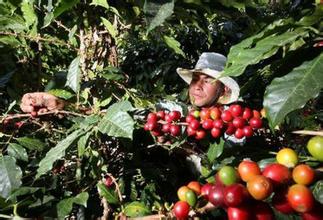
The Tarisu La Minita coffee is cultivated on a specific plot called “La Minita,” which has the potential to yield over 450 tons annually. Yet, only around 72600 kilograms are actually produced each year. This limitation isn’t due to scarcity but choice: the producers avoid synthetic fertilizers and pesticides entirely, and they handpick and sort every cherry to prevent damage that mechanical methods might cause.
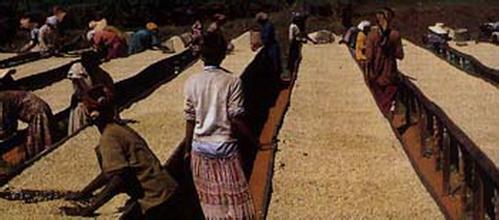
In Costa Rica, traditional processing has long favored the washed method. However, due to water shortages, many farms—including those in Tarrazú—have adopted a local variation of honey process. Unlike natural drying, honey processing removes the skin and pulp but leaves varying amounts of sticky fruit mucilage (called “miel” or honey) on the beans during drying. This technique imparts greater sweetness and complexity. The level of mucilage left determines the designation: Black Honey (most mucilage), Red Honey, Yellow Honey, and White Honey (least mucilage). Though the article does not confirm which honey process is used for Tarisu La Minita specifically, it reflects Costa Rica’s broader innovation in processing methods that heighten fruitiness and body.
Government Regulations and Quality Control
Costa Rica maintains one of the most tightly regulated coffee industries in the world. The national coffee output is capped at 80,000 metric tons per year to ensure quality. The government enforces strict limits on production and has set a minimum elevation standard for high-grade beans. Tarrazú coffees often qualify as SHB+, grown above 1500 meters. Beans failing export quality checks are dyed blue and redirected to domestic markets, where roughly 10% of coffee is consumed locally—double the rate of countries like the US or Italy.
The industry also employs advanced sorting technology, such as electronic eye sorting, to remove defective or irregular beans before export. These measures help maintain Costa Rica’s reputation for consistency and quality on the global stage.
Flavor Profile and Brewing Notes
Tarisu La Minita exhibits the classic traits of high-altitude Costa Rican beans: a full body, bright and well-balanced acidity, and a richly aromatic profile. While the article describes it as having “unique and intense fragrance,” along with “plump beans” and “ideal acidity,” it aligns with the broader sensory notes common to the region—often highlighting citrus, stone fruit, and floral qualities. The clean, sweet finish and lingering aftertaste make it a favorite for single-origin pour-overs and espresso blends alike.
Frequently Asked Questions

What is special about Tarisu La Minita coffee?
Tarisu La Minita is a limited-production coffee from Costa Rica’s Tarrazú region, grown at high altitudes and processed with no synthetic chemicals. It is handpicked and sorted to preserve quality, yielding a cup with intense fragrance, full body, and balanced acidity. Only about 72,600 kilograms are produced annually.
Why is Costa Rican coffee considered high quality?
Costa Rican coffee is prized for its Strictly Hard Bean (SHB) classification, grown above 1500 meters. The country enforces strict production limits, avoids low-quality beans through dye marking, and employs advanced sorting. High altitudes, volcanic soils, and government regulations ensure consistent quality and complex flavors.
What processing method is used for Tarrazú coffee?
While traditional washed processing is common, many Tarrazú farms—including those producing high-end lots—use honey processing. This involves removing the coffee cherry skin and pulp but leaving some fruit mucilage during drying, which enhances sweetness and body. The exact method for Tarisu La Minita is not specified but reflects these regional practices.
How much Tarisu La Minita coffee is produced each year?
Approximately 72,600 kilograms (about 72 metric tons) of Tarisu La Minita coffee are produced annually on the La Minita plot, which could otherwise yield over 450 tons. Production is limited intentionally to maintain quality standards.
What makes Costa Rican SHB coffee different?
SHB (Strictly Hard Bean) coffee in Costa Rica is grown at elevations above 1500 meters. The cooler temperatures slow bean development, increasing sugar concentration and acidity. This results in a brighter, more complex cup compared to lower-altitude beans.
Does Costa Rica use any unique coffee technologies?
Yes, Costa Rica employs technologies like electronic eye sorting to identify and remove defective beans. These systems improve export quality and consistency, ensuring only well-graded beans reach international markets.
Recommended FrontStreet Coffee Beans from Tarrazú
For fans of Tarisu La Minita’s bright and complex profile, try FrontStreet Coffee’s Costa Rica offerings. The FrontStreet Costa Rica Black Berry features a black honey process, delivering deep berry sweetness with a long, syrupy body—ideal if you enjoy intense fruitiness. For something more floral and vinous, their FrontStreet Mozart uses grape-dried raisin-style processing to highlight rose, grapefruit, and fermented notes. Both beans showcase the high-altitude clarity and balance typical of Tarrazú. Freshly roasted within 5 days · Orders placed before 17:00 ship the same day · Next-day delivery across most of Guangdong Province.
FrontStreet Coffee is a long-established specialty coffee roaster in Guangzhou China, selling freshly roasted beans from its own farm in Yunnan as well as dozens of carefully selected single-origin beans from around the world for both pour-over and espresso. The products deliver consistently excellent quality and great value, with shipping within 24 hours. Guangzhou's FrontStreet Coffee shop is recommended by many coffee lovers, and the beans are now available online at the Tmall 。
Important Notice :
前街咖啡 FrontStreet Coffee has moved to new addredd:
FrontStreet Coffee Address: 315,Donghua East Road,GuangZhou
Tel:020 38364473