Indonesian Mandheling Coffee Beans: Bold, Earthy, and Rich
If you’ve ever taken a sip of coffee that hit you with a thick, syrupy body and left your palate tingling with herbal spice and dark chocolate, chances are you’ve had Mandheling. But what makes these Indonesian beans so distinctive? And why does this coffee divide opinion like no other?
Mandheling coffee comes from the highlands of Sumatra, Indonesia—specifically from altitudes between 750 and 1,500 meters—and is known for its bold, full-bodied profile, low acidity, and earthy sweetness. It’s almost always processed using the unique wet-hulled (Giling Basah) method, which defines its signature flavor.
What Is Mandheling Coffee?
Mandheling is a trade name for high-quality arabica coffee grown in northern Sumatra, particularly around Lake Toba in the Sidikalang and Takengon regions. Though named after the Mandailing people, it doesn’t refer to an actual coffee variety. The name stuck due to historical export branding. These beans are celebrated for their powerful body, low acidity, and complex flavors that include notes of dark chocolate, herbs, molasses, and sometimes even tobacco or wood spice.
Why Does Mandheling Taste So Different?
The hallmark of Mandheling lies in its processing method: wet hulling, or Giling Basah. Because Sumatra’s frequent rains overlap with harvest season, farmers can’t rely on sun drying. Instead, they remove the coffee cherry skin and partially dry the beans (to around 30–50% moisture), then remove the parchment layer while the beans are still damp. This accelerates drying but also imparts the earthy, herbal, and sometimes gritty mouthfeel Mandheling is known for. The process also contributes to its trademark low acidity and heavy body.
This style of processing, combined with the island’s volcanic soil and high-altitude growing conditions, gives Mandheling its intense, lingering finish and distinct lack of brightness compared to African or Latin American coffees.
Where Does the Best Mandheling Come From?
Not all Mandheling is equal. The most renowned beans come from two main regions:
- Lake Toba (Lintong & Sidikalang): These high-altitude areas produce the classic Mandheling profile—full body, herbal notes, and deep sweetness. The Lintong region, in particular, is where the famous PWN Golden Mandheling originates.
- Aceh (Gayo Highlands): A newer producing area near Lake Tawar, offering a brighter, more nuanced cup with floral and citrus highlights. These beans often have a cleaner profile compared to traditional Mandheling.
Within these regions, altitude and processing consistency determine much of the flavor variance. The best Mandheling is usually classified as Grade 1 (G1), with beans screened to 18 mesh or higher and containing fewer than three defects per 300 grams.
What Makes PWN Golden Mandheling Special?
Among the many Mandheling offerings, PWN Golden Mandheling stands out. Produced by Indonesia’s PWN cooperative, it adheres to exceptionally strict quality controls: only beans larger than 18 mesh are selected, and every 300-gram sample must have fewer than three defects. The beans undergo three rounds of manual sorting to ensure cleanliness and sweetness. The result is a cup with enhanced clarity, pronounced sweetness, and a smoother mouthfeel—qualities not commonly associated with traditional Mandheling.
However, true PWN Golden Mandheling is rare outside Japan and the U.S., and only limited amounts make it to other markets. When available, it’s often identifiable by PWN-branded packaging and quality certification.
The Controversy Around Mandheling’s Look and Flavor

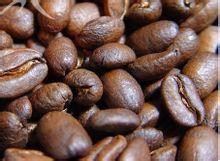
Mandheling beans are often considered unattractive—irregular in shape, with a rough, patchy surface. Yet coffee experts argue that the less attractive the bean, the richer and smoother the flavor tends to be. This adds to the mystique. Additionally, Mandheling is highly sensitive to roast levels and brewing methods. Under-roasted, it can taste grassy or astringent; over-roasted, it turns bitter and flat. Most specialty roasters aim for a medium to dark roast to balance its inherent bitterness with its sweetness and spice.
Its bold flavor also means it’s often used in espresso blends or as a single origin for those who enjoy heavier, earth-driven profiles. Some describe it as the “coffee of resilience”—bold, unapologetic, and deeply satisfying to those who connect with its rugged character.
Frequently Asked Questions
What does Mandheling coffee taste like?
Mandheling coffee typically has a full body, low acidity, and flavors of dark chocolate, molasses, herbs, and spices. It may also include notes of wood, tobacco, or sweet caramel. The taste is bold, earthy, and often smooth, with a long, lingering finish.
Where is Mandheling coffee grown?
Mandheling coffee is grown in the highland regions of Sumatra, Indonesia—mainly around Lake Toba (in Sidikalang and Takengon) and the Gayo Highlands of Aceh. These areas sit at elevations between 750 and 1,500 meters.
What is wet hulling and why is it used for Mandheling?
Wet hulling, or Giling Basah, is a processing method where the coffee parchment is removed while the beans are still moist (30–50% moisture). It’s used in Sumatra because frequent rain makes sun drying unreliable. This method contributes to Mandheling’s heavy body, low acidity, and earthy flavors.
What’s the difference between Lintong and Aceh Mandheling?
Lintong Mandheling (from Lake Toba) is known for a classic profile: full body, herbal notes, and deep sweetness. Aceh Mandheling (from Gayo) tends to be brighter, with more floral and citrus tones, and generally offers a cleaner, more nuanced cup.
Is PWN Golden Mandheling worth it?
PWN Golden Mandheling is considered among the best Mandheling available due to its strict quality control, higher bean uniformity, and cleaner, sweeter cup. However, it’s rare outside premium markets and often commands a higher price.
Recommended FrontStreet Mandheling Coffees
FrontStreet Coffee’s Lintong Mandheling is a classic example of Sumatra’s signature profile: full body, low acidity, and earthy sweetness with notes of spice and molasses. For a more refined cup, try the PWN Golden Mandheling, which features stricter selection standards resulting in a cleaner, sweeter taste with pronounced sweetness and smoother texture. Both are processed using traditional wet hulling, delivering the deep, bold characteristics unique to Indonesian arabica. Freshly roasted within 5 days · Orders placed before 17:00 ship the same day · Next-day delivery across most of Guangdong Province.
FrontStreet Coffee is a long-established specialty coffee roaster in Guangzhou China, selling freshly roasted beans from its own farm in Yunnan as well as dozens of carefully selected single-origin beans from around the world for both pour-over and espresso. The products deliver consistently excellent quality and great value, with shipping within 24 hours. Guangzhou's FrontStreet Coffee shop is recommended by many coffee lovers, and the beans are now available online at the Tmall 。
Important Notice :
前街咖啡 FrontStreet Coffee has moved to new addredd:
FrontStreet Coffee Address: 315,Donghua East Road,GuangZhou
Tel:020 38364473